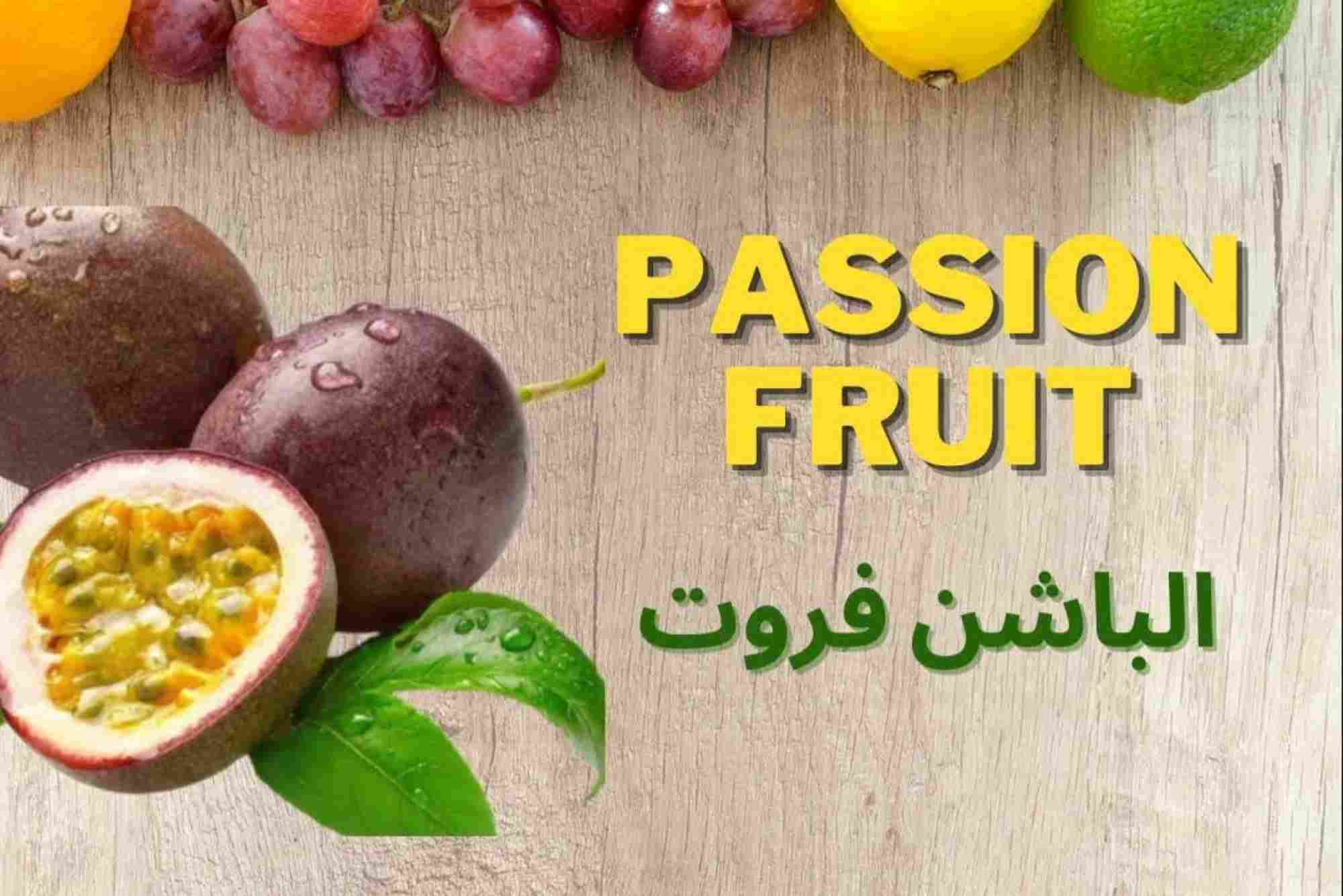
Passion Fruit in Arabic Cuisine: Benefits and Uses
Passion fruit in Arabic cuisine is gaining popularity, blending exotic flavor with deep-rooted culinary traditions. Known for its tangy sweetness and vibrant aroma, passion fruit is more than just a tropical treat. It adds depth to dishes, offers numerous health benefits, and is becoming a favorite in modern Middle Eastern kitchens. From refreshing juices in Lebanon to dessert glazes in the Gulf, this fruit is finding its place in the heart of Arabic flavors.
In this article, we’ll explore the health advantages, cultural relevance, and practical uses of passion fruit in Arabic recipes. Whether you’re a home cook, a health enthusiast, or simply curious about exotic ingredients, this guide will show how passion fruit can add a new twist to your Arabic culinary experience.
Nutritional Benefits of Passion Fruit
High in Antioxidants
Passion fruit is packed with antioxidants like vitamin C, beta-carotene, and polyphenols. These compounds help neutralize free radicals in the body, reducing the risk of chronic diseases and inflammation.
Rich in Dietary Fiber
Arabic cuisine often incorporates fiber-rich foods such as lentils, dates, and whole grains. Passion fruit adds to this tradition by offering 10 grams of fiber per 100 grams. This supports digestive health and helps regulate blood sugar levels.
Excellent Source of Vitamin A and C
These vitamins support immune health, skin glow, and eye function. In traditional Middle Eastern diets that already emphasize fruits and vegetables, passion fruit serves as a strong complement.
Low-Calorie and Heart-Friendly
With only 97 calories per 100 grams, passion fruit is ideal for those watching their weight. Its potassium content supports healthy blood pressure, a vital concern in many Gulf and Levantine countries where heart disease is on the rise.

How Passion Fruit Is Used in Arabic Cuisine
Passion Fruit Juices and Drinks
In the Levant and Gulf regions, fresh juices are a staple. Passion fruit pulp is often blended with water, a touch of sugar, and sometimes mint or rosewater to create a refreshing beverage.
This is especially popular during Ramadan when hydrating and nutrient-rich drinks are served to break the fast. Passion fruit pairs well with ingredients like lemon, orange, and even tamarind, all staples in Arabic beverages.
Sauces and Marinades
In modern Arabic fusion dishes, passion fruit is used in marinades for lamb and chicken. Its natural acidity helps tenderize meat while adding a sweet-tart flavor that complements spices like sumac, cinnamon, and cardamom.
In the UAE and Qatar, upscale restaurants are incorporating passion fruit reductions in seafood dishes, pairing it with grilled prawns or hammour (a local fish).
Dessert Glazes and Toppings
Arabic sweets are globally admired for their richness and depth. Passion fruit provides a balance to these desserts by adding a bright, fruity layer.
You’ll find passion fruit syrups drizzled over kunafa, basbousa, or panna cotta variations. Its tartness cuts through the richness of cheese and semolina, creating a refreshing aftertaste.
Salad Dressings and Mezze
Adding passion fruit to Arabic mezze or salad dressings brings a modern twist. Mixed with olive oil, lemon juice, and pomegranate molasses, it becomes a vibrant dressing ideal for tabbouleh or fattoush.
Even traditional dips like hummus and labneh get a creative upgrade when paired with passion fruit-infused oils.
Baked Goods and Bread
In artisan bakeries across Dubai, Amman, and Beirut, passion fruit is being baked into croissants, rolls, and cakes. Combined with pistachios, almonds, or coconut, it highlights the flavors commonly used in the Arab world.
Cultural Adaptation of Passion Fruit in the Arab World
From Tropics to Middle East
Originally native to South America, passion fruit made its way into global cuisines thanks to its unique flavor. In the Arab world, its adoption was slow but has grown due to globalization and increased culinary experimentation.
The UAE, Oman, and Lebanon now import passion fruit regularly, with chefs and home cooks alike using it more frequently in modern dishes.
Fusion Cuisine and Tourism
Tourism plays a big role in evolving Arabic cuisine. Hotels and restaurants in tourist-heavy cities like Dubai and Marrakech offer fusion menus that blend passion fruit with local ingredients.
For example, passion fruit tahini smoothies or date and passion fruit tartlets are now common in trendy cafes.
Health and Wellness Trends in Arabic Countries
With a rising focus on health, especially among younger generations in Saudi Arabia, Egypt, and Jordan, passion fruit is embraced in wellness circles.
It’s a popular ingredient in:
- Detox smoothies
- Vegan desserts
- Post-workout energy bites
- Herbal teas and infusions
Nutritionists in the region also recommend it for its low glycemic index and blood-sugar-balancing properties.
Growing Passion Fruit in Arab Climates
While passion fruit thrives in tropical and subtropical regions, some areas of the Arab world, particularly parts of the Levant and North Africa, have started experimenting with its cultivation.
Greenhouse projects in Jordan and rooftop gardens in Dubai are trying to locally grow passion fruit to reduce reliance on imports.
This not only boosts sustainability but also aligns with national food security goals.
Embrace Passion Fruit in Your Arabic Cooking
Passion fruit in Arabic cuisine is more than a passing trend. Its nutritional value, exotic flavor, and adaptability to traditional dishes make it a perfect match for the modern Arabic kitchen. Whether in drinks, salads, desserts, or marinades, this fruit adds a touch of the tropics while enriching cultural cuisine.
Ready to try passion fruit in your next Arabic meal? Start with a fresh juice or drizzle it over your favorite dessert. Experiment with flavors and see how this exotic fruit fits into your culinary traditions
FAQ About Passion Fruit in Arabic Cuisine
What is passion fruit called in Arabic?
Passion fruit is commonly referred to as “فاكهة العاطفة” or “فاكهة الباشن” in Arabic-speaking countries.
Is passion fruit used in traditional Arabic recipes?
Traditionally, no. But it is now widely used in modern and fusion Arabic dishes, especially desserts and drinks.
Can passion fruit grow in the Middle East?
Yes, with controlled greenhouse environments or in tropical regions like parts of Oman or southern Saudi Arabia.
What are the health benefits of passion fruit in Arabic diets?
It boosts immunity, aids digestion, supports heart health, and fits well into balanced Mediterranean-style diets.
Where can I buy passion fruit in the Middle East?
Major supermarkets in UAE, Qatar, Saudi Arabia, and Lebanon stock fresh or frozen passion fruit. It’s also available in online grocery stores.