Introduction
If you’ve ever experienced indigestion, acidity, or bloating, there’s a good chance you’ve turned to Eno Fruit Salt for fast relief. Marketed as an antacid that acts in seconds, Eno is a household name in many countries. While it’s praised for its quick action, few users truly understand the possible side effects that come with frequent or incorrect use. In this article, we’ll explore the real story behind Eno fruit salt side effects, who should avoid it, and how to use it responsibly for digestive health.
What Is Eno Fruit Salt?
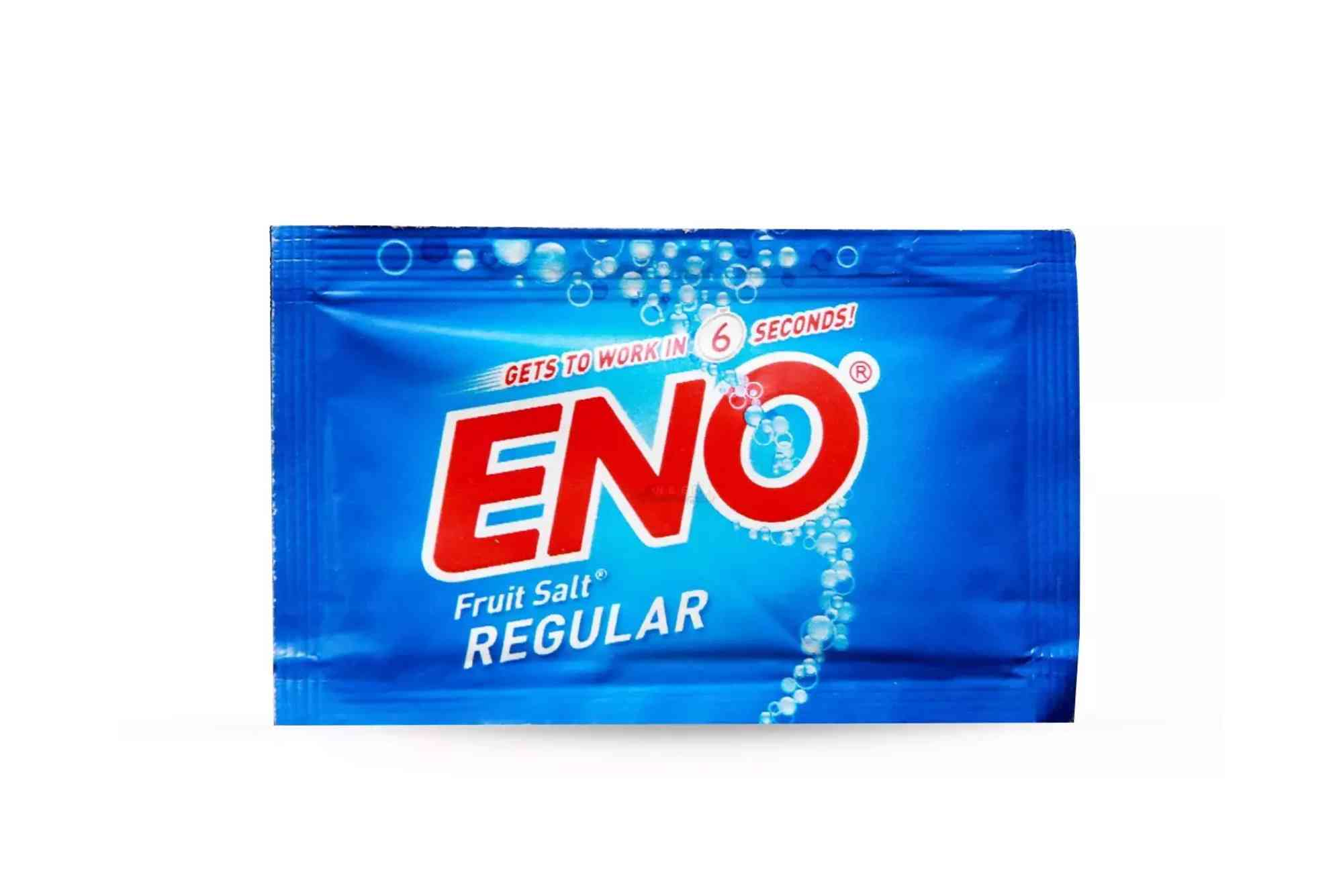
Eno Fruit Salt is a popular over-the-counter (OTC) antacid used to relieve symptoms of heartburn, acid reflux, and indigestion. It typically contains sodium bicarbonate, citric acid, and sodium carbonate. When mixed with water, it fizzes and produces carbon dioxide, which helps neutralize stomach acid quickly. This fast-acting property makes it a go-to solution for temporary acidity relief. However, just because it’s fast doesn’t mean it’s harmless. Understanding the components of Eno is key to understanding how side effects might occur, especially with long-term or excessive use.
Common Eno Fruit Salt Side Effects
Like most medications or health products, Eno can have side effects. Some are mild and rare, while others can become serious with chronic use or misuse. It’s essential to stay aware of how your body reacts after consuming Eno, especially if you’re using it frequently.
Gastrointestinal Discomfort
While Eno is designed to ease digestion problems, it can sometimes cause mild stomach discomfort, gas, or diarrhea. This usually happens when users take more than the recommended dose or consume it on an empty stomach. The fizzing reaction can be too aggressive for some individuals, leading to bloating instead of relieving it.
Electrolyte Imbalance
Eno contains sodium bicarbonate, which can alter your body’s sodium levels when consumed frequently. High sodium levels may lead to fluid retention, elevated blood pressure, and swelling in the hands or feet. Individuals with hypertension or heart disease should be especially cautious, as they may be more susceptible to sodium-induced complications.
Alkalosis Risk
One of the lesser-known eno fruit salt side effects is metabolic alkalosis—a condition caused by an excessive intake of alkalizing agents like bicarbonates. Symptoms may include confusion, hand tremors, nausea, muscle twitching, or even breathing difficulties. Though rare, this condition can be serious and typically arises from frequent overuse or combining Eno with other alkaline medications.

Kidney Stress
Because of its sodium content, Eno can put added strain on the kidneys, especially in people with pre-existing kidney issues. Regular use without medical advice can lead to kidney dysfunction or increased risk of kidney stones. Anyone with chronic kidney disease should avoid Eno unless prescribed by a physician.
Interaction With Medications
Eno may reduce the effectiveness of certain medications, especially those that require a specific stomach pH for absorption. For instance, antibiotics like tetracycline or iron supplements may become less effective when taken around the same time as Eno. Always allow a buffer time between Eno and other medicines, or better yet, consult your doctor.
Who Should Avoid Eno Fruit Salt?
While Eno is generally safe for most healthy adults, some people should avoid it altogether or use it only under medical supervision. Pregnant women, individuals with high blood pressure, those with kidney disease, and people on a sodium-restricted diet must consult a healthcare professional before taking Eno. Additionally, children should only take Eno if advised by a pediatrician, as their metabolic systems are more sensitive.
Safe Usage Guidelines for Eno Fruit Salt
If you plan to use Eno occasionally, follow the dosage instructions on the packaging. The usual adult dose is one teaspoon (about 5 grams) dissolved in a glass of water, taken when symptoms occur. Do not exceed two doses in 24 hours, and avoid using it for more than 7 days consecutively without medical supervision. Avoid taking Eno right after a large meal or just before bedtime, as lying down may worsen reflux symptoms.
Is Eno Addictive or Habit-Forming?
Eno itself is not chemically addictive. However, some people might become psychologically dependent on its effects, especially if they experience acidity frequently. This can lead to ignoring underlying digestive disorders, like GERD or ulcers, which require medical treatment rather than antacid use. Habitual use of Eno can mask these symptoms, delaying diagnosis and worsening the condition over time.
Long-Term Effects of Regular Eno Use
Using Eno now and then for quick relief is generally harmless. The trouble begins when people use it as a daily fix instead of addressing the root cause of their digestion issues. Long-term use can lead to the cumulative side effects discussed earlier, including high sodium intake, electrolyte disturbances, and kidney stress. Moreover, constantly neutralizing stomach acid may disrupt your digestive enzymes and gut health in the long run.
Natural Alternatives to Eno
If you’re concerned about the side effects of Eno fruit salt, consider exploring safer, more natural remedies for acidity. Drinking a glass of cold milk, chewing fennel seeds, or sipping on chamomile tea can help soothe the digestive system. Lifestyle changes like avoiding spicy foods, eating smaller meals, and maintaining a healthy weight are also effective in managing acidity without depending on over-the-counter antacids.
Understanding the Ingredients in Eno
To fully grasp why Eno might cause side effects, it’s important to know what’s in it:
- Sodium bicarbonate: An alkaline compound that neutralizes stomach acid quickly but increases sodium levels.
- Citric acid: Stimulates fizzing when mixed with bicarbonate and water. It’s generally safe but may cause acidity in rare cases if used alone.
- Sodium carbonate: Another alkalizing agent that enhances the neutralizing effect.
This combination is effective for short-term relief, but not meant for chronic conditions. Each of these compounds, especially sodium bicarbonate, must be used cautiously and in moderation.
How to Know If Eno Is Causing Side Effects
Not everyone experiences side effects, but you should monitor your body for unusual symptoms. If you notice persistent bloating, water retention, headache, confusion, or changes in urination after using Eno, stop immediately and consult a healthcare provider. The presence of multiple symptoms could suggest a more serious reaction, especially if you’ve been using Eno frequently.
When to See a Doctor
If you’re relying on Eno more than twice a week, it’s time to seek medical advice. Recurring indigestion or acidity could be a sign of acid reflux disease, gastritis, or ulcers—conditions that require specific treatment plans. Self-medicating with Eno might offer temporary relief but won’t resolve these conditions.
FAQs
What are the side effects of Eno?
Eno can cause bloating, gas, stomach discomfort, and sodium imbalance when overused. Rarely, it may lead to alkalosis or kidney stress.
Is it safe to use Eno every day?
No, daily use is not recommended. Long-term use can lead to high sodium intake, kidney strain, and mask underlying digestive issues.
Can Eno cause high blood pressure?
Yes, due to its high sodium content, Eno can elevate blood pressure if used regularly, especially in individuals with preexisting hypertension.
Does Eno interact with other medications?
Yes, Eno can interfere with the absorption of certain drugs like antibiotics and iron supplements. Maintain a gap between Eno and other medications.
Is Eno safe during pregnancy?
Pregnant women should consult their doctor before using Eno. Occasional use might be safe, but only under medical guidance.
Can children take Eno?
Children should not use Eno unless prescribed by a pediatrician. Their systems are more sensitive to the product’s components.
Is Eno safe for people with kidney problems?
No, people with kidney disease should avoid Eno due to its sodium content and potential for causing electrolyte imbalance.
Eno Fruit Salt offers fast, effective relief from indigestion and acidity. But like any health product, it must be used responsibly. Knowing the potential Eno fruit salt side effects can help you make informed choices about your digestive health. While it’s effective for occasional use, it’s not a cure-all. Frequent discomfort should never be masked by quick fixes. Instead, focus on long-term solutions like dietary changes, natural remedies, and professional medical advice.