How to Grow a Bignay Fruit Tree at Home
The bignay fruit tree, also known as Antidesma bunius, is a tropical fruit-bearing tree cherished for its tangy, grape-like berries and resilience in various climates. Native to Southeast Asia, this tree is gaining popularity among home gardeners for its vibrant fruits, medicinal properties, and easy maintenance. Whether you’re a seasoned gardener or just starting out, learning how to grow a bignay fruit tree at home can be both rewarding and straightforward with the right guidance.
Growing a bignay fruit tree at home allows you to enjoy fresh, pesticide-free fruits right from your backyard. The process involves selecting the right location, preparing the soil, and giving consistent care. In this guide, you’ll learn every essential step—from propagation methods to pest control—making your journey to a flourishing bignay fruit tree enjoyable and successful.
Choosing the Right Bignay Tree Variety
Before planting a bignay fruit tree, it’s important to understand the varieties available. Most home gardeners grow the common Antidesma bunius species, which is well-suited for tropical and subtropical climates. This tree can grow up to 30 feet, but when pruned regularly, it remains manageable for home settings. Look for grafted or seed-grown plants at reputable nurseries. Grafted trees often bear fruit faster and are more consistent in quality.
Selecting the Best Location for Your Bignay Tree
Bignay trees thrive in warm, sunny environments. Choose a planting location that receives full sun for at least six to eight hours daily. Good air circulation is also crucial to prevent fungal infections. Though the tree tolerates some shade, optimal fruiting happens under full sunlight.
In terms of space, make sure the bignay tree has room to spread its branches. It can be grown in open ground or large containers if you are limited in garden space. Just ensure the container is at least 24 inches wide and deep.
Soil Preparation and Requirements
Bignay trees prefer well-draining, loamy soil rich in organic matter. The ideal soil pH is between 5.5 and 6.5. If your soil is clay-heavy or compacted, amend it with compost, peat moss, or sand to enhance drainage and fertility.

To prepare the planting area, dig a hole twice the width and the same depth as the tree’s root ball. Loosen the surrounding soil and mix it with aged compost or organic manure. This promotes healthy root development and reduces transplant shock.
How to Plant a Bignay Fruit Tree
Once your soil is ready and the tree is sourced, it’s time to plant. Place the tree in the hole so that the root ball sits level with the soil surface. Backfill the hole with the amended soil, gently pressing it down to eliminate air pockets.
Water thoroughly after planting and apply a 2- to 3-inch layer of mulch around the base. Mulch helps retain soil moisture and suppress weeds, but keep it a few inches away from the trunk to prevent rot.
Watering and Fertilizing the Bignay Tree
Proper watering is critical in the early stages of growth. Water your bignay tree deeply twice a week during dry spells. Once established, the tree is drought-tolerant, but regular watering improves fruit production.
For feeding, apply a balanced 10-10-10 fertilizer during the growing season. Young trees benefit from quarterly feeding, while mature trees can be fed twice annually. You can also use organic options like compost tea or fish emulsion for healthier, chemical-free growth.
Pruning and Maintenance Tips
Pruning helps shape the tree, remove dead or diseased branches, and promote better air circulation. Begin pruning once the tree reaches about three feet tall. Regularly remove suckers and branches that grow inward.
Training the tree into a central leader form or an open canopy improves sunlight penetration, which is essential for flowering and fruiting. Prune lightly after harvesting to maintain its size and encourage new growth.
Pest and Disease Control
Bignay trees are relatively hardy, but they can occasionally attract aphids, scale insects, and fruit flies. Use neem oil or insecticidal soap to manage minor infestations. Keep the area around the tree clean and avoid overwatering to prevent fungal diseases such as root rot.
If you notice yellowing leaves or poor growth, test the soil for nutrient deficiencies and adjust fertilization accordingly. Healthy trees are naturally more resistant to pests and diseases.
Flowering and Fruiting Expectations
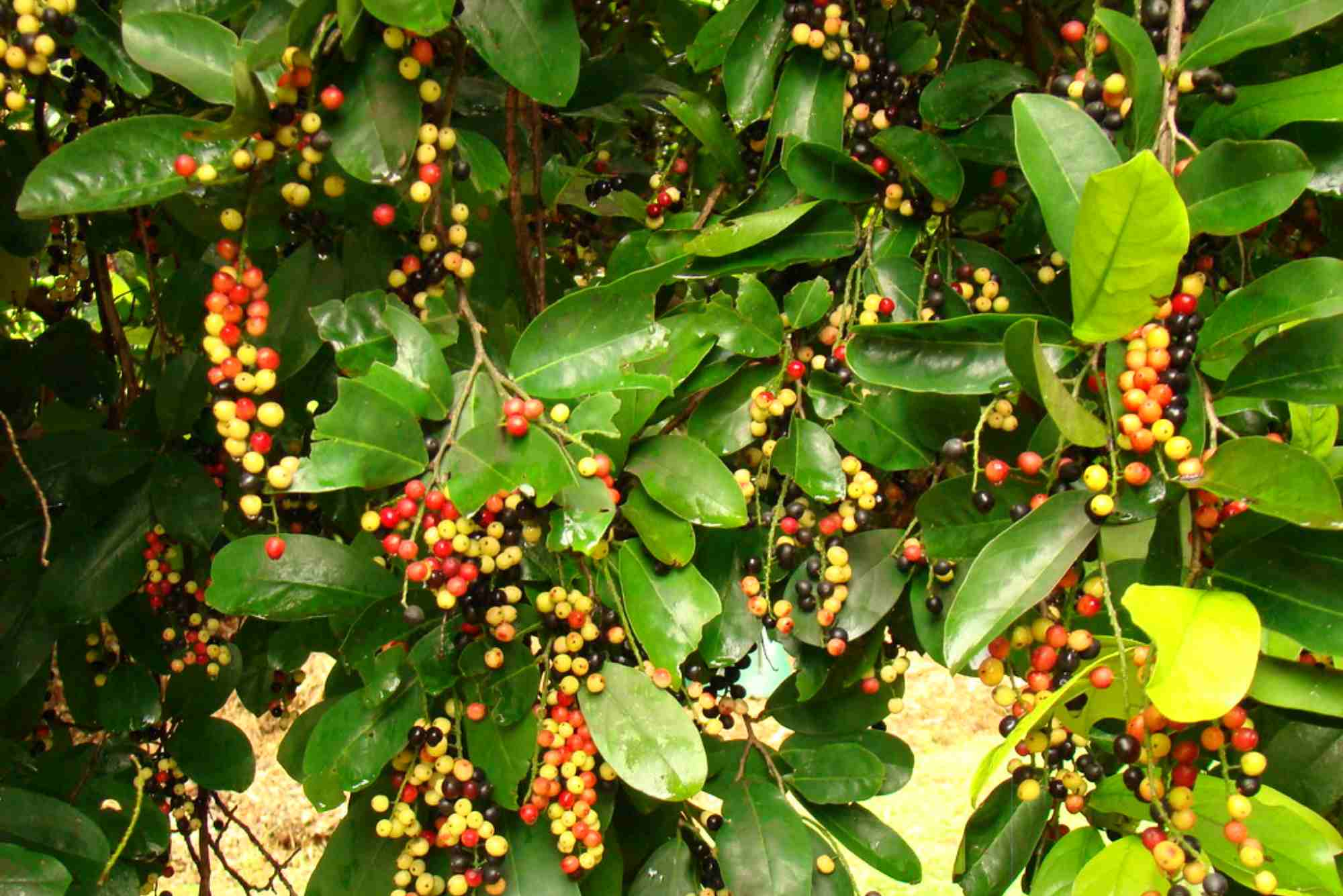
A bignay tree grown from seed typically starts producing fruit in 4 to 6 years, while grafted trees may begin in 2 to 3 years. The tree flowers in clusters, with small greenish-white blossoms that develop into red and eventually dark purple berries.
Fruits ripen unevenly, so it’s best to harvest them in batches. Ripe bignay fruits have a tart-sweet flavor and can be eaten fresh or used for jams, jellies, and wines. Always harvest with care to avoid damaging the branches.
Growing Bignay in Containers
If you’re short on space or live in an area with cold winters, growing a bignay fruit tree in a pot is a viable option. Choose a large container with drainage holes and use high-quality potting soil. Container-grown trees need more frequent watering and feeding since nutrients wash out quicker.
Place the container in a sunny spot and rotate it regularly for even light exposure. Prune more often to keep the tree manageable and consider moving it indoors during frosty conditions, as bignay is not frost-hardy.
Propagating Bignay Trees
Bignay can be propagated through seeds or cuttings. While seeds are easy to grow, they may not produce true-to-type fruit. To ensure consistent fruit quality, propagation through air-layering or cuttings is preferred.
Take semi-hardwood cuttings during the rainy season and treat them with rooting hormone before planting in a moist, sandy medium. Cover with a plastic bag to retain humidity and place in indirect sunlight. Rooting may take 4–6 weeks.
Benefits of Growing a Bignay Fruit Tree
Growing a bignay fruit tree at home offers more than just delicious fruit. The tree has ornamental value with its lush foliage and colorful fruit clusters. It also provides health benefits—bignay berries are rich in antioxidants, vitamins, and minerals.
Additionally, the tree’s leaves and bark have traditional medicinal uses in treating hypertension, diabetes, and inflammation. Cultivating this tree brings together aesthetics, wellness, and sustainability right into your backyard.
Common Mistakes to Avoid
Avoid overwatering, especially in heavy soils, as it can lead to root rot. Don’t plant the tree in deep shade—it needs sunlight to thrive and produce fruit. Also, refrain from using too much fertilizer, which may encourage leafy growth at the expense of fruiting.
Ensure that the tree is pruned regularly and protected from strong winds, which can damage young branches or fruit clusters. With a bit of attention to detail, these mistakes can be easily avoided.
Enjoy the Rewards of a Bignay Tree
Growing a bignay fruit tree at home is a fulfilling gardening project for anyone interested in tropical fruit cultivation. With proper care, this resilient tree rewards you with fresh, nutritious fruits and adds a tropical charm to your garden. From selecting the right spot to managing pests and harvesting fruit, each step brings you closer to a thriving bignay tree.
If you’re ready to enjoy the benefits of homegrown tropical fruits, start your bignay growing journey today. Whether in a backyard or a container, your green thumb will thank you.
FAQ
What is the best way to grow a bignay tree?
The best way is to plant it in well-draining, loamy soil with full sun exposure. Use a grafted plant for faster fruiting and maintain regular watering and fertilizing schedules.
How long does it take for a bignay tree to bear fruit?
A seed-grown bignay tree may take 4 to 6 years to fruit, while grafted trees can begin producing in 2 to 3 years under optimal conditions.
Can I grow a bignay tree in a container?
Yes, you can grow a bignay fruit tree in a large container. Ensure the pot has good drainage and the tree gets at least 6 hours of sunlight daily.
What are the common problems when growing bignay?
The most common issues include overwatering, nutrient deficiencies, pest infestations like aphids, and fungal diseases. Proper care and maintenance can prevent most of these.
Is bignay fruit healthy to eat?
Yes, bignay fruits are rich in antioxidants, vitamin C, and iron. They’re known for supporting heart health and boosting immunity. The berries are often used in juices, wines, and herbal remedies.