Bimbli Fruit in Hindi Nutritional and Culinary Value
Bimbli fruit, known as बिंबली फल in Hindi, is a sour, green fruit that’s native to tropical Asia and widely used in South Indian and coastal cuisines. Despite its small size and modest appearance, this tangy fruit is a powerhouse of nutrition and traditional healing. Scientifically known as Averrhoa bilimbi, Bimbli is closely related to the starfruit (carambola), but it differs in flavor, texture, and usage. In Hindi-speaking regions, it’s often referred to by other names like बिलिम्बी, बिलिंब, or खट्टा आमला. This article explores the complete nutritional profile and culinary value of Bimbli fruit in Hindi context, along with its health benefits, traditional uses, and commonly asked questions.
What is Bimbli Fruit in Hindi Culture?
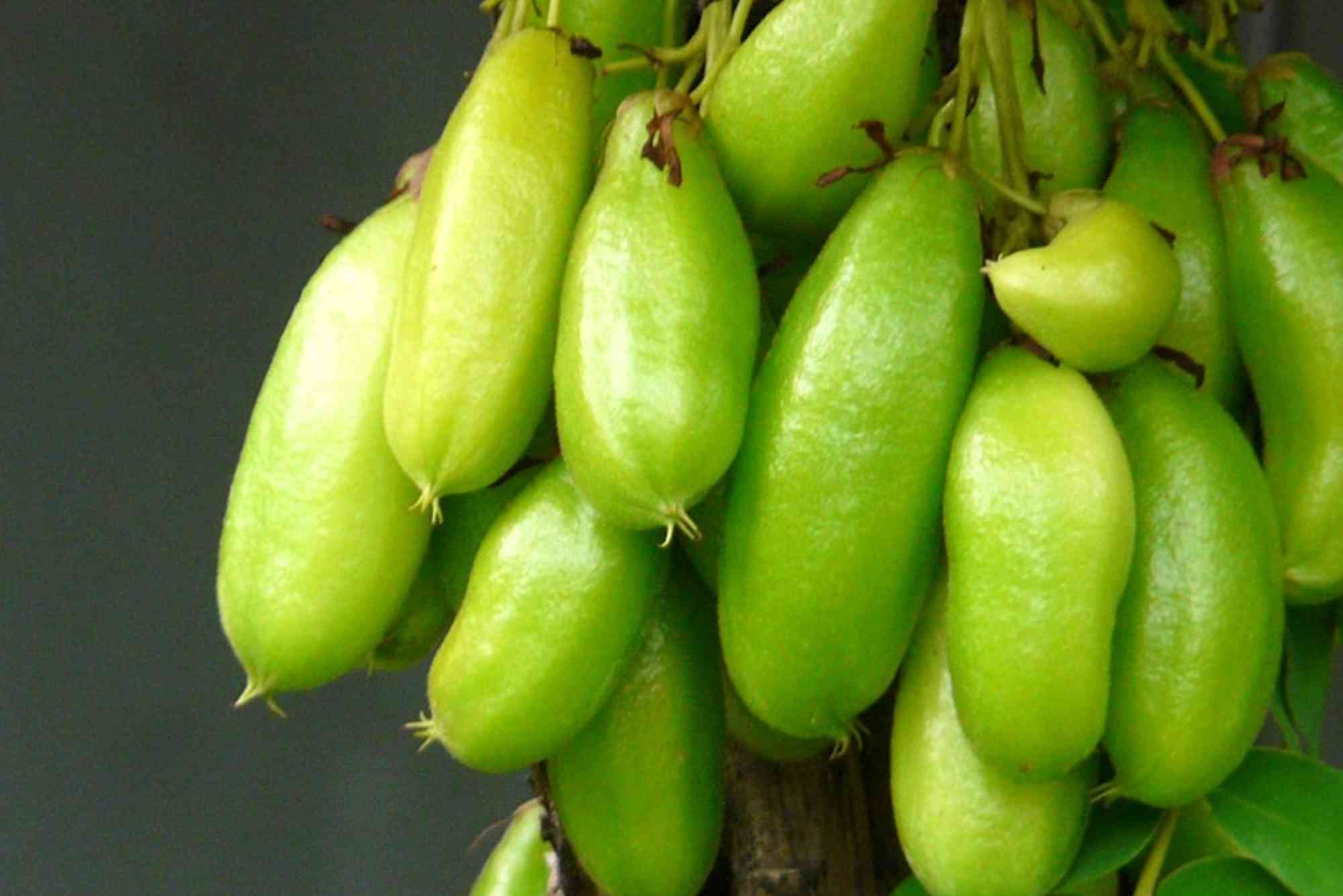
Bimbli fruit in Hindi regions is not as mainstream as mango or guava, but it holds a respected place in Ayurvedic traditions and rural households. Often grown in backyards or small gardens, the tree bears fruit almost year-round in warm climates. The fruit itself is elongated, shiny, green when raw, and turns yellowish when ripe. Due to its intense sourness, it’s rarely eaten raw but is a popular ingredient in pickles, curries, and herbal remedies. In Ayurveda, it’s regarded as a cooling fruit, useful for balancing pitta and promoting digestion.
Nutritional Value of Bimbli Fruit
Bimbli fruit is low in calories and rich in essential nutrients, especially Vitamin C. Here’s a closer look at its nutritional content per 100 grams of fruit:
- Vitamin C: Known for boosting immunity and skin health
- Calcium: Supports bone health
- Iron: Aids in oxygen transport
- Phosphorus: Essential for energy metabolism
- Fiber: Improves digestive health
- Antioxidants: Fights free radicals and supports cellular health
Thanks to its acidic profile, Bimbli also stimulates appetite and helps in the breakdown of fatty foods, making it a useful addition to meals in hot, humid climates where digestion can be sluggish.
Health Benefits of Bimbli Fruit
Bimbli fruit offers a range of health benefits, making it a valuable addition to both diet and natural medicine.
Supports Digestion
The natural acidity of Bimbli stimulates the production of digestive juices, helping in smoother digestion. It also relieves constipation due to its high fiber content.

Boosts Immunity
Being rich in Vitamin C and antioxidants, Bimbli strengthens the immune system, protects the body against infections, and supports wound healing.
Controls Blood Sugar Levels
Several studies and traditional practices indicate that the extract of Bimbli leaves and fruit may help in lowering blood sugar levels, making it helpful for diabetics. However, it should be consumed in moderation and under guidance.
Manages Hypertension
The presence of potassium and antioxidants helps in reducing high blood pressure. Bimbli juice, when taken in small doses, can assist in maintaining cardiovascular health.
Aids in Weight Loss
Low in calories and high in fiber, Bimbli can be a good companion for those on a weight loss journey. It keeps you full for longer and supports fat metabolism.
Improves Skin and Hair Health
Thanks to its anti-inflammatory and anti-microbial properties, Bimbli is often used in natural remedies for acne, pigmentation, and dandruff. Bimbli paste or juice can be applied topically or consumed for internal detox.
Culinary Uses of Bimbli Fruit in Hindi Cuisine
Bimbli fruit may be small, but it is a culinary giant in traditional kitchens, especially in coastal regions like Kerala, Goa, and parts of Maharashtra. In Hindi-speaking households, Bimbli is used creatively to add a sour kick to various dishes.
Pickles and Chutneys
One of the most popular ways to enjoy Bimbli is in the form of achar (pickle) or chutney. The fruit is mixed with salt, spices, mustard seeds, and oil, making it a flavorful and probiotic-rich accompaniment to rice or parathas.
Soups and Curries
In regions like Konkan and South India, Bimbli is added to dal, sambhar, or tamarind-based gravies for its sharp tang. In Hindi kitchens, it can replace tamarind or lemon juice in traditional recipes like kadhi, dal tadka, or sabzi.
Bimbli Juice
Though sour, Bimbli can be juiced with honey or jaggery to create a refreshing drink rich in Vitamin C. In some rural areas, the juice is consumed as a natural remedy for cough, colds, and indigestion.
Preserves and Candies
In some parts of India, Bimbli is preserved in sugar syrup or sun-dried with salt, creating a tangy-sweet snack. These preserves are known for aiding digestion and reducing heat in the body.
How to Grow and Store Bimbli Fruit
If you’re curious about cultivating Bimbli, the good news is that it’s a hardy plant. It grows well in tropical climates and needs moderate care. The tree prefers well-drained soil and plenty of sunlight. Once planted, it starts bearing fruit within 2–3 years.
Storing Bimbli is easy. It can be kept in the refrigerator for up to a week. For long-term use, it can be sun-dried, pickled, or stored as a pulp in airtight containers.
Safety and Precautions
While Bimbli is generally safe to consume in moderate amounts, excessive intake may cause problems due to its high oxalic acid content. People with kidney issues or calcium oxalate stones should avoid consuming it in large quantities. Also, because of its sour nature, it should not be consumed on an empty stomach.
Cultural Significance of Bimbli in Hindi Regions
Though not as commercially popular as mango or guava, Bimbli fruit holds cultural and culinary value in rural and Ayurvedic traditions. It’s a symbol of home-grown nutrition and age-old wisdom passed down through generations. Whether used to treat a cold or brighten up a curry, Bimbli remains a versatile and humble gem of Indian flora.
Bimbli fruit in Hindi households is more than just a sour ingredient—it’s a treasure trove of nutrition, tradition, and culinary innovation. From boosting immunity to enhancing flavors, this lesser-known fruit has much to offer. If you haven’t tried Bimbli yet, it’s time to explore its tangy charm and health-giving properties. Whether you pickle it, juice it, or add it to your favorite dishes, Bimbli will leave your taste buds tingling and your body thankful.
Have you ever tasted Bimbli fruit in your cooking or home remedies? Share your experience or favorite recipe in the comments below. Don’t forget to spread the word about this unique fruit with your friends and family.
FAQs
Bimbli fruit is known as बिंबली (Bimbli) or खट्टा आमला in Hindi.
It is also referred to in some regions as बिलिंब or बिलिम्बी. It belongs to the same family as starfruit (Averrhoa carambola) and is known for its sour taste.
What are the health benefits of Bimbli fruit?
Bimbli fruit is rich in Vitamin C, antioxidants, and dietary fiber.
It supports immunity, aids digestion, lowers blood sugar, helps with hypertension, and is good for skin and hair health.
Can Bimbli fruit help in weight loss?
Yes, Bimbli fruit is low in calories and high in fiber, which helps in weight management.
It promotes satiety, improves metabolism, and supports fat digestion when included in a balanced diet.
Is Bimbli fruit good for diabetes?
Bimbli may help lower blood sugar levels, but should be consumed in moderation.
Its traditional use includes managing glucose levels, but always consult a doctor if you have diabetes.
How can I use Bimbli fruit in cooking?
Bimbli fruit can be used in pickles, chutneys, curries, and soups.
Its sour flavor enhances dishes like dal, kadhi, or sambhar. It’s also juiced or sun-dried in some regions.
Is Bimbli fruit safe to eat raw?
Bimbli is very sour and is rarely eaten raw.
It is usually cooked or preserved to reduce its acidity and enhance flavor. Raw consumption in small amounts is fine but may irritate the stomach.
Can Bimbli fruit cause kidney problems?
Excessive consumption of Bimbli may affect kidney health due to its high oxalic acid content.
People with kidney stones or existing kidney issues should limit or avoid it.
How long does Bimbli fruit last?
Fresh Bimbli fruit lasts about 5–7 days in the refrigerator.
It can also be preserved by pickling, sun-drying, or freezing for long-term use.
Does Bimbli fruit have medicinal uses?
Yes, Bimbli is used in traditional medicine for cough, indigestion, inflammation, and skin problems.
It’s commonly applied as a paste or consumed as juice in Ayurveda and folk remedies.
Where is Bimbli fruit commonly found in India?
Bimbli is mostly found in southern and coastal parts of India like Kerala, Karnataka, and Goa.
However, it also grows in parts of Maharashtra and is known in Hindi-speaking regions by local names.