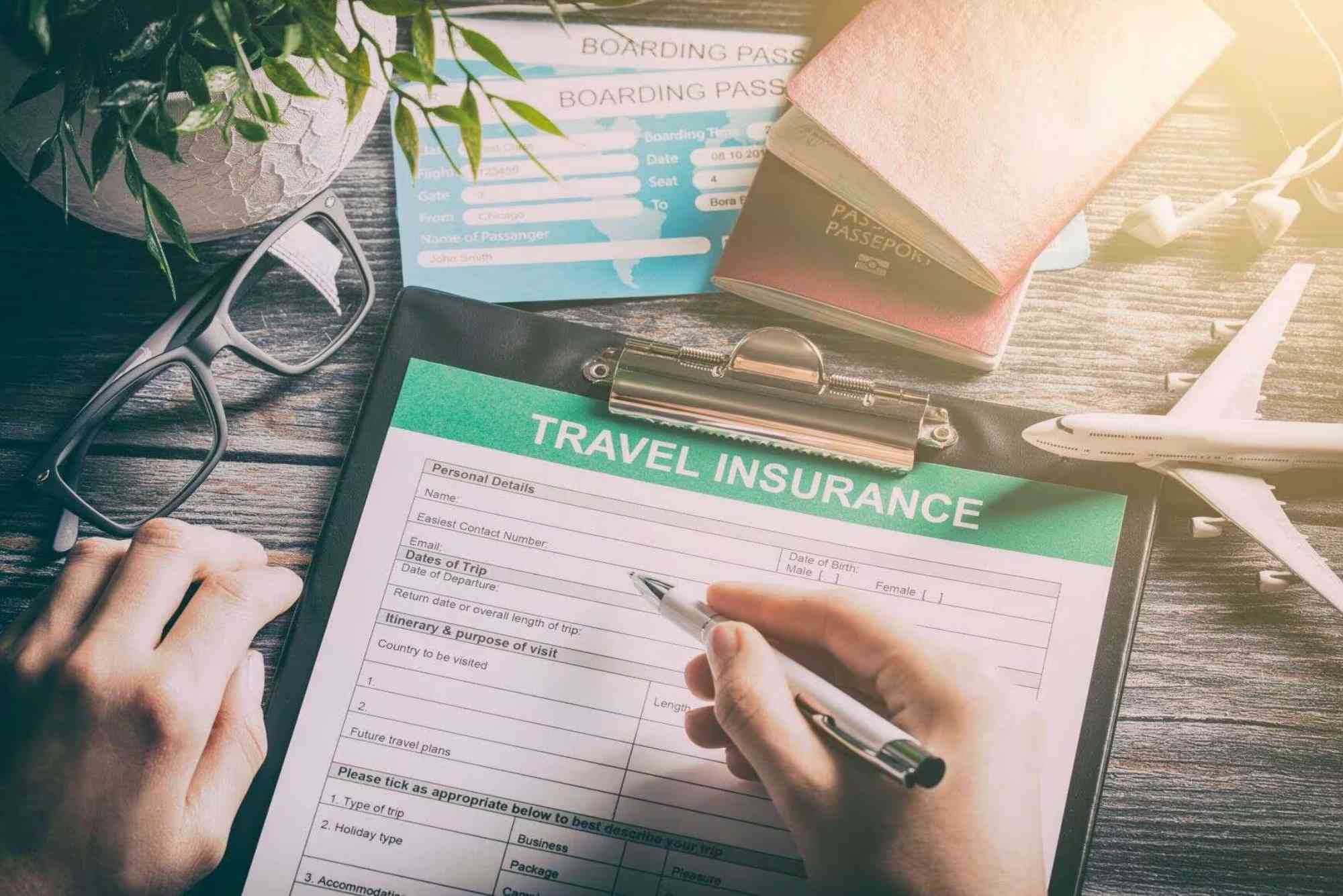
Top Travel Insurance Scams and How to Avoid Them
Travel insurance offers peace of mind when exploring new destinations. Whether you’re embarking on a luxury cruise, a backpacking trip across Europe, or a short business trip, having the right protection can save you from unexpected financial setbacks. But in recent years, the growing demand for travel insurance has created a perfect opportunity for scammers to prey on unsuspecting travelers. Knowing how a travel insurance scam works—and how to avoid one—is essential in today’s travel landscape.
Why Travel Insurance Scams Are on the Rise
Scams involving travel insurance are becoming more sophisticated. Cybercriminals and even shady companies have found ways to mimic legitimate providers, tricking people into paying for fake coverage or manipulating claim processes. The reason these scams work is simple: travelers often buy insurance quickly, don’t fully read the policy, or feel rushed before a trip. This creates the perfect storm for fraud.
Fake policies, denied claims, and misleading terms are just a few tricks used in a travel insurance scam. And the damage goes beyond just financial loss. Getting stranded without help in a medical emergency abroad—or losing thousands in non-refundable bookings—can ruin more than just your holiday.
Common Types of Travel Insurance Scams
Understanding the different types of scams is the first step to protecting yourself. While these schemes come in many forms, a few common patterns tend to repeat across various cases.
Fake Travel Insurance Providers
One of the most dangerous forms of a travel insurance scam involves entirely fake companies. These operators create professional-looking websites, complete with reviews, terms, and convincing customer service. However, once you buy the policy, they vanish when you need to file a claim.
Victims usually realize they’ve been duped only after an emergency occurs. At that point, the “company” no longer exists, or the contact numbers lead nowhere.

Misleading Policy Terms
Some seemingly legitimate providers bury exclusions in the fine print. You might think you’re covered for medical emergencies or trip cancellations, but your claim gets denied because of an obscure clause. These policies often come with extremely low premiums, designed to draw in budget-conscious travelers.
These are technically not illegal but are deceptive in practice. You believe you’re getting full coverage, but the reality tells a different story when you need help.
Upfront Claim Charges
This version of the travel insurance scam targets those trying to claim reimbursement. You’ll be told you must pay an “administrative” or “processing” fee before your claim can be approved. Often, this is just another way to get more money from you—and the claim never goes through.
Identity Theft Through Application Forms
Some scam websites are designed to collect sensitive information. They ask for your passport number, full name, credit card info, and other personal data under the guise of a policy application. This data is then used for identity theft, not for issuing any actual insurance.
Fake Affiliate Links and Pop-Up Ads
Fraudulent ads on social media or pop-up banners on shady websites often lead to bogus travel insurance portals. These can even appear when you’re booking flights online, mimicking known brands. These ads promise “instant coverage,” “no questions asked,” or “cheapest travel insurance guaranteed.” But once you pay, there’s either no policy or a useless one that won’t help you in an emergency.
How to Spot a Travel Insurance Scam
Avoiding a travel insurance scam starts with knowing how to recognize one. Fortunately, with a few precautions, you can easily tell the difference between a legitimate provider and a potential fraud.
Research the Provider Thoroughly
Always verify the insurer through official regulatory bodies. In most countries, insurance companies must be registered with national or regional financial regulators. In the U.S., check the provider through the NAIC (National Association of Insurance Commissioners). In the UK, you can verify through the FCA (Financial Conduct Authority).
Look for customer reviews outside of the provider’s website. Google reviews, Reddit discussions, and Trustpilot often provide real user experiences.
Read the Entire Policy Document
Never buy insurance based only on a summary or brochure. Download and read the full policy document. Pay attention to:
- Exclusions and conditions
- Definitions of emergencies
- Claim procedures
- Deadlines for filing claims
If the document is vague or confusing, ask the provider for clarification. If they hesitate or give conflicting answers, that’s a red flag.
Be Wary of Unsolicited Offers
If you receive an email or phone call offering a “limited-time” travel insurance deal, it’s best to ignore it. Reputable companies don’t use high-pressure tactics to sell insurance. Always initiate contact yourself or go through known booking platforms.
Never Pay Extra to Process a Claim
Legitimate insurers never ask you to pay to process your claim. Fees, if any, are usually deducted from your payout or disclosed upfront in the policy. If you’re asked to send money just to “start” your claim, it’s likely a travel insurance scam.
Use Secure Payment Channels
Always use a credit card or verified payment method when purchasing a policy. Avoid direct bank transfers or cryptocurrency payments, as these are harder to trace and recover in case of fraud.
What to Do If You’ve Been Scammed
Realizing you’ve fallen victim to a travel insurance scam can be distressing, especially when you’re already dealing with the stress of travel issues. Here’s how to act quickly:
Report to Authorities
In the U.S., report the scam to the Federal Trade Commission (FTC). If you’re in another country, contact your national consumer protection agency or police. International travelers can also file a complaint with Interpol’s cybercrime unit if cross-border fraud is involved.
Contact Your Bank or Credit Card Provider
If you paid using a credit card, request a chargeback. Most card companies offer fraud protection and may refund your money if reported promptly.
Monitor Your Identity
If you shared personal documents, consider enrolling in identity theft protection services. Watch for unusual activity in your financial accounts and credit reports.
Warn Others
Leave honest reviews on the site where you were scammed and share your story on forums or social media. Helping others avoid the same mistake contributes to public awareness and prevention.
Choosing a Legitimate Travel Insurance Provider
When selecting a trustworthy insurer, focus on companies with:
- A strong reputation in the travel industry
- Transparent policy documents
- Accessible customer service
- A history of fair claims processing
Some globally recognized providers include Allianz Travel Insurance, AXA Assistance, World Nomads, and Travel Guard. Booking through a reputable airline or travel agency also increases your safety.
FAQs
What is a travel insurance scam?
A travel insurance scam is any fraudulent or deceptive practice that tricks travelers into buying fake insurance or paying for false claims processing.
How can I check if a travel insurance provider is legitimate?
Check the provider’s license through a government insurance regulator or use review platforms like Trustpilot or Better Business Bureau.
Is it safe to buy travel insurance online?
Yes, if purchased through official websites, known aggregators, or direct links from airlines or travel agencies.
Can I get my money back after being scammed?
Possibly. Contact your credit card issuer to request a chargeback. Report the scam to local authorities for further help.
Are travel insurance comparison websites safe?
Most are, but verify that the platform is reputable and only lists licensed providers. Avoid clicking on suspicious pop-up ads or social media links.