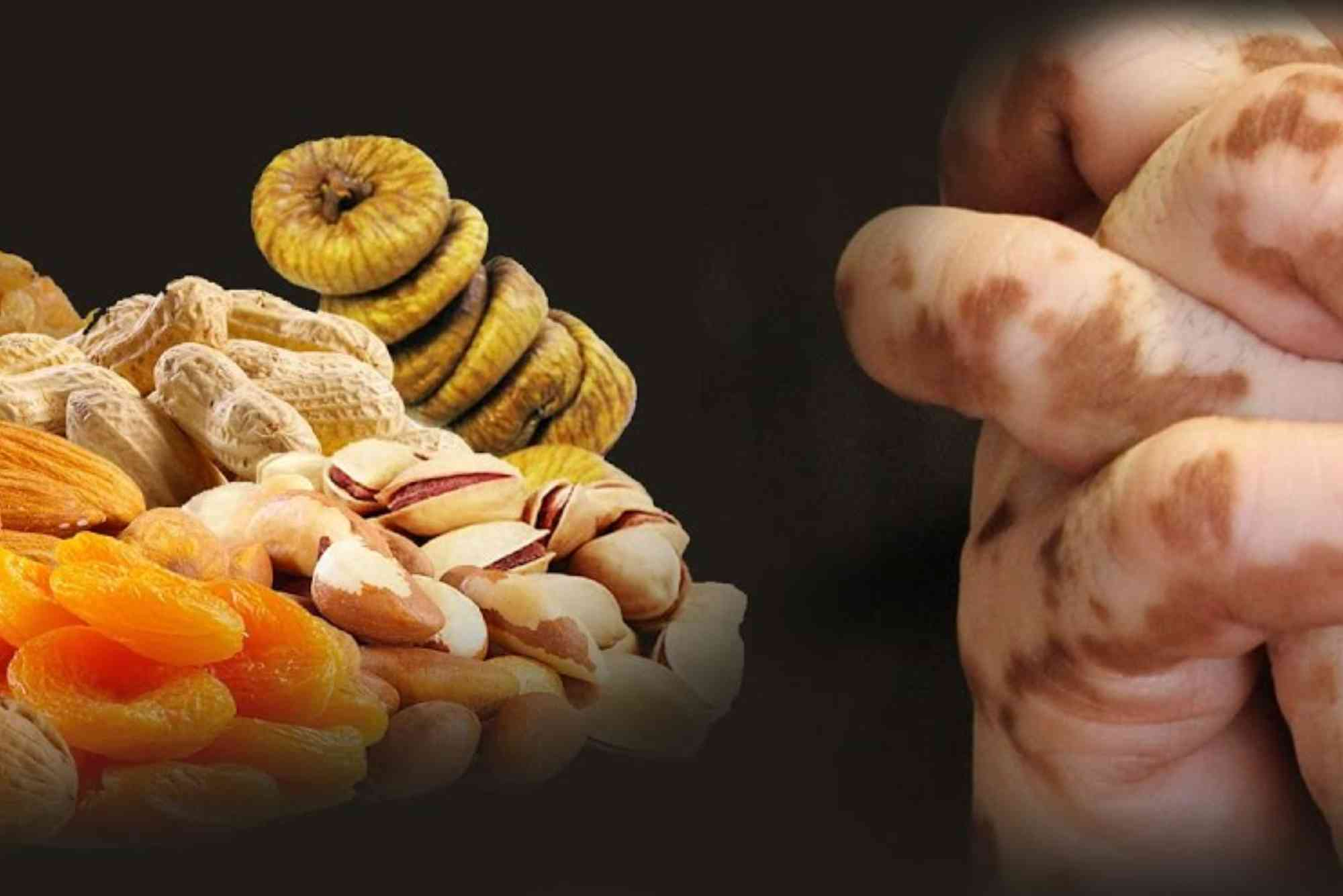
Vitiligo is a long-term condition where patches of skin lose their pigment. While medical treatments exist, many people explore natural ways to manage symptoms. One emerging area of interest is nutrition—specifically, dry fruits for vitiligo. Could these nutrient-packed snacks really support repigmentation and skin health?
Let’s take a closer look at how certain dry fruits may benefit people living with vitiligo. This guide offers insights based on nutritional science, traditional knowledge, and real-world experiences.
Understanding Vitiligo and Its Triggers
Vitiligo occurs when melanocytes—the skin cells that produce pigment—stop functioning. While the exact cause remains unknown, factors such as autoimmune responses, oxidative stress, and genetic predispositions play a role.
Though there’s no cure, approaches that reduce oxidative damage and boost immunity may help slow progression or support treatments. Diet, especially antioxidant-rich foods, can be a supportive tool.
Why Nutrition Matters in Vitiligo Management
Food isn’t a cure for vitiligo, but it can influence how your body handles inflammation, stress, and cell repair. Many dry fruits are packed with antioxidants, vitamins, and minerals—elements that may aid skin health and immune balance.
Eating the right foods can potentially:

- Reduce oxidative stress
- Support immune modulation
- Enhance melanin production
- Improve skin regeneration
This is where dry fruits for vitiligo come into the picture.
How Dry Fruits Support Skin Pigmentation
Dry fruits, which include dried versions of nuts and fruits, are concentrated in nutrients. Unlike processed snacks, they offer natural compounds that may directly or indirectly support skin function.
Here are the mechanisms by which they may help:
Antioxidant Power
Many dry fruits are rich in antioxidants like vitamin E, selenium, and polyphenols. These help fight oxidative stress—an important factor in vitiligo progression.
Immune Modulation
Some dry fruits contain nutrients that regulate immune responses. For example, zinc and selenium may calm autoimmune activity that targets melanocytes.
Melanin Boosting Compounds
A few dry fruits provide copper, a trace mineral needed for melanin production. Without enough copper, your body may struggle to produce pigment properly.
Skin Repair and Hydration
Healthy fats and B vitamins in dry fruits promote skin elasticity, hydration, and healing—all crucial when dealing with depigmented areas.
Integrating Dry Fruits Into a Vitiligo-Friendly Diet
If you’re considering adding dry fruits for vitiligo to your diet, start small. Make sure to:
- Choose unsweetened, unprocessed varieties
- Eat them in moderation (too much may cause weight gain or digestive issues)
- Pair with other healthy foods rich in antioxidants and minerals
You can enjoy dry fruits as snacks, blend them into smoothies, or sprinkle them on salads and cereals.
What Science Says About Dry Fruits and Vitiligo
While no dry fruit can reverse vitiligo on its own, research supports their benefits for skin and immunity.
For example:
- Almonds are rich in vitamin E, which helps reduce oxidative damage to melanocytes.
- Walnuts contain omega-3 fatty acids that reduce inflammation.
- Dried figs and apricots offer iron and polyphenols that support healthy blood and skin.
- Dates provide copper, helping maintain normal melanin production.
- Raisins are loaded with antioxidants that support overall cellular health.
Though more clinical research is needed specifically on vitiligo, these nutrients have known roles in skin repair and pigment production.
Common Mistakes to Avoid
When turning to natural options like dry fruits for vitiligo, some missteps can reduce their effectiveness:
- Relying solely on dry fruits: They support, but don’t replace, medical care.
- Consuming sugar-coated versions: Added sugars counteract the health benefits.
- Ignoring food sensitivities: Some nuts may trigger reactions in sensitive individuals.
Always introduce new foods gradually and consult your doctor or nutritionist if unsure.
Lifestyle Tips That Work Alongside Diet
To get the most out of your natural approach, pair your dry fruit intake with other skin-supportive habits:
- Protect your skin from UV exposure
- Practice stress management through meditation or exercise
- Stay hydrated to support cell function
- Get regular checkups to track vitiligo progression
Diet is only one part of a holistic strategy. However, when chosen wisely, foods like dry fruits can play a meaningful role.
Real-World Experiences With Dry Fruits and Vitiligo
Many individuals living with vitiligo have reported subtle improvements in skin tone and patch stability after adopting a cleaner diet with antioxidant-rich dry fruits. While results vary, the overall benefits to skin and energy levels are well-documented.
In forums and support groups, people frequently discuss the benefits of nuts, seeds, and dried fruits alongside turmeric, green leafy vegetables, and certain supplements.
Are Dry Fruits Worth It?
Absolutely—when used correctly. Dry fruits for vitiligo may not be a miracle solution, but they offer natural, supportive nutrition your skin and immune system can benefit from.
They’re easy to add to your daily routine, and their long shelf life makes them practical. Just be mindful of portion sizes, and aim for variety to get a broad range of nutrients.
Start Your Skin-Supportive Diet Today
If you’re exploring natural ways to support your vitiligo journey, consider making dry fruits a regular part of your diet. Pair them with professional guidance and a healthy lifestyle for the best results.
Want more tips on managing vitiligo naturally?
Subscribe to our newsletter and get weekly advice, recipes, and expert insights right in your inbox.
Frequently Asked Questions (FAQ)
What are the best dry fruits for vitiligo?
Dry fruits like almonds, walnuts, raisins, dates, and dried apricots offer antioxidants and minerals that may support pigmentation and skin health.
Can dry fruits cure vitiligo?
No, dry fruits can’t cure vitiligo. However, they can support the immune system and promote skin repair when part of a balanced diet.
How often should I eat dry fruits for vitiligo?
A small handful (about 30 grams) daily is a good starting point. Always choose natural, unsweetened options.
Are there any dry fruits to avoid with vitiligo?
Avoid dry fruits with added sugars, preservatives, or artificial colors. These can trigger inflammation in sensitive individuals.
Do doctors recommend dry fruits for vitiligo?
Many dermatologists support a nutrient-rich diet. While not a prescription treatment, dry fruits are generally considered skin-friendly.