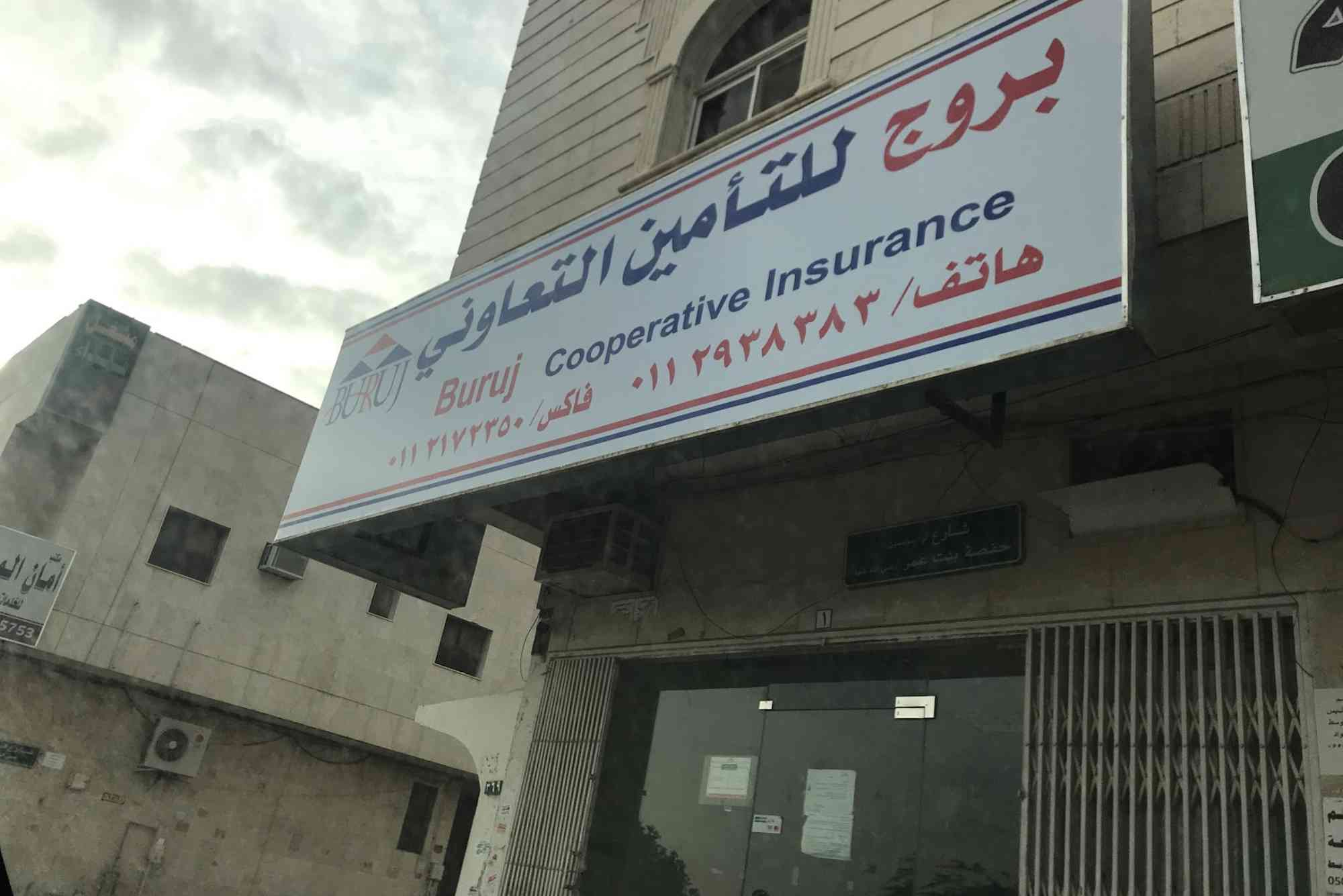
What You Need to Know About Buruj Cooperative Insurance
The phrase buruj cooperative insurance often comes up when Saudis compare protection plans for cars, health, homes, and businesses. Yet most people only see the price and ignore how coverage, exclusions, deductibles, networks, and service quality shape the real value. This in‑depth guide explains how buruj cooperative insurance works, what it usually offers, how to read your policy schedule, and how to file a claim without stress. By the end, you will understand the core features, the fine print, and the practical steps that help you buy smarter and claim faster.
Understanding the cooperative model behind buruj cooperative insurance
Saudi insurers that operate under the cooperative model pool risk and share surplus with policyholders according to the law. This means buruj cooperative insurance is structured to align participants and shareholders under Shariah principles supervised by the Saudi Central Bank (SAMA). In practice, you still pay a contribution called a premium, you still receive a policy and an e-card, and you still follow clear claims rules. The difference is the way profits and technical reserves are treated, which can translate into stronger solvency oversight and transparent governance.
Why this matters to you
The cooperative structure can encourage prudent underwriting, better capital adequacy, and a formal Shariah board review. For you, this can mean confidence that the contract is Shariah-compliant, that pricing reflects pooled risk, and that the insurer is supervised by a robust regulator. When you evaluate buruj cooperative insurance, ask for the latest financial strength indicators, reinsurance partners, and solvency disclosures. These data points help you judge long-term claims paying ability, not just short-term discounts.
Key product lines you will usually find at buruj cooperative insurance
While exact names can differ, the portfolio of buruj cooperative insurance commonly spans motor, medical, property, engineering, marine, liability, travel, and specialized SME covers. Each line follows SAMA’s standard policy wording templates when they exist, but individual endorsements and extensions can reshape your final scope of cover.
Motor insurance
Motor policies from buruj cooperative insurance typically include Third Party Liability as the legal minimum and Comprehensive for wider protection. Third Party Liability pays for bodily injury and property damage you cause others. Comprehensive adds protection for your own vehicle against collision, theft, fire, and natural perils. You must check deductibles, agency repair options, geographic limits, driver age restrictions, and depreciation clauses. If you finance the car, the bank may mandate Comprehensive with agency repair. If you drive across borders, you may need a GCC extension.
Medical (health) insurance
Health plans under buruj cooperative insurance are built to meet the Council of Health Insurance (CHI) rules. You will receive tiered networks, specified annual limits, co-pay percentages, and defined exclusions. Focus on inpatient limits, maternity sub-limits, chronic condition coverage, reimbursement rules for out-of-network treatment, and how pre-authorization is handled. A plan can look cheap but cost more in co-pays, prescription ceilings, or limited hospital access.

Property and business interruption
For homeowners and SMEs, property policies cover fire, lightning, explosion, natural perils, and often burglary. Business interruption can replace lost gross profit following insured physical damage. When reviewing buruj cooperative insurance property wordings, read the definition of “sum insured,” average clauses on underinsurance, and special deductibles for floods or earthquakes. Ensure add-ons like machinery breakdown, electronic equipment, and money insurance match your exposure.
Engineering and contractors’ all risks
Construction firms often rely on contractors’ all risks (CAR) policies, which combine material damage with third-party liability for site operations. If you work on infrastructure or mega projects, confirm that buruj cooperative insurance can handle the project’s limits, period extensions, and advance loss of profits endorsements. Scrutinize testing and commissioning cover, surrounding property limits, and cross liability clauses between contractors and subcontractors.
Marine cargo
Importers and exporters use marine cargo policies to protect goods from warehouse to warehouse. When you discuss marine cover with buruj cooperative insurance, match Institute Cargo Clauses (A, B, or C) to your cargo type and your risk appetite. Check if the policy includes war and strikes, cold chain deterioration, and delayed unpacking clauses. If you ship regularly, ask for an open cover to avoid insuring every shipment manually.
Liability insurance
Public liability, product liability, professional indemnity, and workers’ compensation shields your business from third-party claims. With buruj cooperative insurance, insist on “occurrence vs. claims-made” clarification, retroactive dates, jurisdiction limits, defense costs inside or outside the limit, and inner sub-limits for specific hazards. For professionals, tail cover after policy expiry is often essential.
How pricing works and what influences your premium
Pricing in buruj cooperative insurance reflects exposure, past loss history, deductibles, and coverage breadth. Motor premiums adjust with driver age, vehicle value, claims frequency, and repair choices. Health premiums shift with demographics, chronic conditions, and network level. Property premiums rise with construction type, fire protection, occupancy, and location risk scoring. If you want to lower the price, consider higher deductibles, risk mitigation measures like fire suppression or telematics devices, and improved claims records through training and safety policies.
Reading and understanding your policy schedule
The policy schedule is the legal snapshot of what you bought from buruj cooperative insurance. It lists sums insured, deductibles, endorsements, warranties, and special conditions. You must verify names, vehicle chassis numbers, insured addresses, and coverage dates. A single misspelling or missing serial number can cause long delays at claims time. Read each endorsement title and ask for a short explanation. Request that your broker or the insurer provide a consolidated endorsement list so nothing slips through.
The claims journey with buruj cooperative insurance
Claims are the moment of truth. To avoid friction, report incidents immediately through the hotline or digital portal. Collect police reports for motor accidents through Najm when required. Keep medical bills, discharge summaries, and prescriptions in one file. For property and engineering losses, document the scene with clear photos, save damaged parts, and do not proceed with repairs until the loss adjuster confirms. Buruj cooperative insurance will appoint a surveyor if needed, who will confirm cause, extent, and policy response. Cooperate with the adjuster, respond fast to document requests, and always keep copies.
Timelines and communication
Good insurers share a claims timeline with expected milestones. If you feel stuck, escalate through formal channels, quoting your claim number, incident date, and policy number. Ask for a written reservation of rights if coverage is in review, and request precise reasons for any partial repudiation. A transparent insurer explains the exact clause that supports its decision. If you disagree, use the insurer’s complaint process and then, if needed, SAMA’s customer protection portal.
Digital experience and customer service
Modern buyers expect mobile apps, e-claims, live chat, and policy e-cards. Buruj cooperative insurance increasingly supports online purchase, renewal, and claim tracking. But the depth of digitalization varies by product line. Test the portal or app before you bind cover. Upload a sample reimbursement claim to see how simple the process feels. Ensure OTP, password reset, and document download options work smoothly. If you manage multiple company policies, confirm that the platform supports role-based access and bulk uploads.
Compliance, Shariah oversight, and governance
Saudi insurers follow SAMA’s insurance regulations and must maintain solvency margins, robust governance, and AML/CTF frameworks. Buruj cooperative insurance also uses a Shariah committee to review products and operations. You can ask for Shariah board member names, the latest compliance report, and details on how investment assets are screened. This is part of your E-E-A-T due diligence as a business or individual who wants both financial safety and ethical alignment.
How to choose the right buruj cooperative insurance policy
Start with your risk map. List the events that could hurt your finances the most. Then match each risk to the correct line of cover. Use clear criteria to compare buruj cooperative insurance with other providers: scope of cover, deductibles, sub-limits, exclusions, network quality, claims service ratings, and total cost of risk. Do not let a low premium hide poor policy wording. Ask for sample claim files and TATs. Read online reviews, but filter for relevance and recency. Engage a licensed broker if your exposures are complex or if you manage multiple locations, vehicles, or staff.
Frequent mistakes to avoid
People often buy the minimum legal limit to save money. They then discover that a single injury claim exceeds their limit. Others underinsure property, triggering average clauses that slash payouts. Many businesses never update sums insured after asset growth, so they end up self-insuring the gap. Some do not report incidents on time, losing rights due to late notice. You can prevent all of these with a short annual review and a mid-term endorsement whenever your exposure changes.
FAQs
What is buruj cooperative insurance and how is it different from conventional insurance?
Buruj cooperative insurance operates under the Saudi cooperative model, which shares risk among participants and follows Shariah oversight. Conventional models are shareholder-driven and may not include the same surplus treatment or Shariah governance. The day-to-day customer experience still includes buying a policy, paying a premium, and filing claims, but the legal and financial framework differs.
Is buruj cooperative insurance Shariah-compliant?
Yes. The company is structured to meet cooperative and Shariah standards, with supervision from a Shariah committee and regulation by SAMA. You can ask for the latest Shariah compliance report or committee charter if you need formal confirmation.
Which products does buruj cooperative insurance usually offer?
You will usually find motor, medical, property, engineering, marine, liability, and travel policies. The exact naming and breadth of each product can vary, so always review your policy schedule and endorsements.
How do I file a claim with buruj cooperative insurance?
Notify the insurer immediately through the hotline or online portal, gather the required documents like police or hospital reports, and cooperate with adjusters. Keep originals or certified copies. Follow up with your claim number to track the status and timeline.
How are premiums calculated at buruj cooperative insurance?
Premiums depend on your risk factors. For motor, driver profile, vehicle value, and repair choices matter. For health, age, medical history, and network level drive the rate. For property, construction type, occupancy, fire protection, and sums insured shape pricing.
Can I lower my premium without weakening cover?
You can often negotiate higher deductibles, install risk mitigation systems, use approved repair networks, or provide better loss history data. However, do not accept exclusions that expose you to catastrophic loss just to cut price.
What documents should I check before paying?
Confirm names, addresses, vehicle details, sums insured, deductibles, policy period, endorsements, and warranties. Ask for a plain-language summary of each endorsement so you know how it changes your cover.
What if my claim is denied?
Request a written explanation citing the relevant policy clause. If you still disagree, escalate within the company’s complaint mechanism. As a final step, use SAMA’s customer protection portal to seek an independent review.