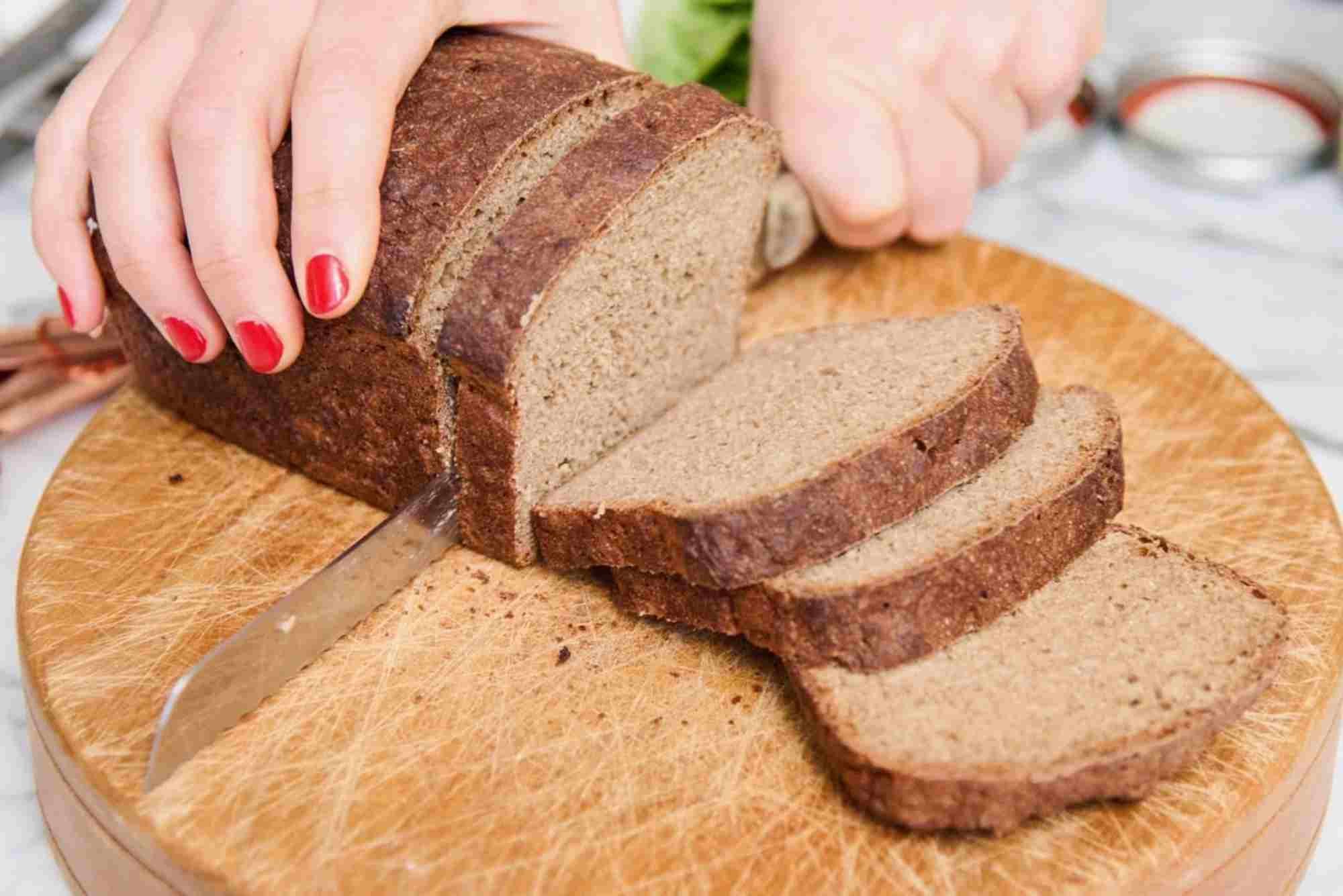
Brown Bread Slice Nutrition: Is It Really Healthy?
Brown bread has long been marketed as the healthier sibling of white bread. With claims of whole grains, fiber, and improved digestion, it’s become a pantry staple for many health-conscious individuals. But how nutritious is a brown bread slice really? Does it live up to the hype, or is it just clever branding? Understanding brown bread slice nutrition requires more than just glancing at the packaging. It involves analyzing the ingredients, processing methods, and how it fits into an overall diet.
What Is Brown Bread Made Of?
At first glance, brown bread is associated with whole wheat flour. Unlike white bread, which is made from refined flour, brown bread usually contains the bran and germ—the nutritious parts of the grain.
However, not all brown breads are created equal. Some commercial brands use refined flour and simply add coloring or molasses to give it a brown hue. The real nutritional value lies in the type and quality of flour used. Typically, the ingredients include whole wheat flour, yeast, water, salt, sugar, oil, and sometimes preservatives or dough conditioners. The presence of whole grains is key to the health benefits associated with brown bread.
Brown Bread Slice Nutrition Facts
A standard slice of commercially available brown bread (approximately 30–40 grams) typically contains:
- Calories: 70–90 kcal
- Carbohydrates: 12–16 grams
- Protein: 2–4 grams
- Fat: 0.5–1.5 grams
- Dietary Fiber: 1.5–3 grams
- Sugar: 1–2 grams
- Sodium: 120–180 mg
These values can vary slightly depending on the brand and recipe. The key takeaway is that brown bread is relatively low in fat and calories while offering a decent amount of fiber and complex carbohydrates.
Benefits of Brown Bread Slice Nutrition
Supports Digestive Health
Thanks to the presence of dietary fiber, brown bread promotes better digestion and can help prevent constipation. Fiber adds bulk to the stool and encourages regular bowel movements.

Better Blood Sugar Control
Whole grain brown bread has a lower glycemic index than white bread. This means it releases glucose more slowly into the bloodstream, helping manage blood sugar levels and avoiding sudden spikes. This is particularly important for those with insulin resistance or diabetes.
Satiety and Weight Management
The fiber and complex carbs in brown bread help keep you fuller for longer. Including brown bread slices in meals can reduce hunger between meals, supporting weight management efforts.
Nutrient-Rich Compared to White Bread
Brown bread usually contains more vitamins and minerals like B-vitamins (thiamine, niacin, riboflavin), iron, magnesium, and selenium than its white counterpart. These micronutrients play essential roles in energy metabolism and immune function.
Good Source of Plant-Based Protein
Although not very high in protein, brown bread does contribute to daily protein intake, especially for vegetarians. Pairing it with eggs, hummus, or nut butter increases its nutritional punch.
Is Brown Bread Always Whole Grain?
This is where the confusion often lies. Many people assume all brown bread is whole grain, but that’s not always the case. Some brown breads are made from refined flour with added colorants or small quantities of bran.
To ensure you’re getting the true benefits of brown bread slice nutrition, always check the ingredient list. Look for “whole wheat flour” or “100% whole grain” as the first ingredient. Avoid products listing “wheat flour” without the word “whole,” as this usually means refined flour.
Also, a longer ingredient list with unfamiliar additives may indicate a heavily processed product, which can negate some of the natural health benefits of whole grains.
Common Additives in Brown Bread Slices
Many commercial brands include preservatives, emulsifiers, and flavor enhancers to improve shelf life and texture. Some of the commonly found additives are:
- Calcium propionate (to prevent mold)
- DATEM (to strengthen dough)
- Soy lecithin (emulsifier)
- Caramel color or molasses (for brown color)
These ingredients aren’t necessarily harmful in small amounts, but if your goal is clean eating, look for simpler breads with minimal additives.
Brown Bread for Different Diets
For Weight Loss
Brown bread can be a good fit for a weight-loss diet if consumed in moderation. Two slices can make a satisfying sandwich that’s low in fat and high in fiber. However, be mindful of what you add to the bread. Cheese, sugary spreads, or processed meats can negate its benefits.
For Diabetics
Thanks to its fiber content and lower glycemic load, brown bread is a smarter option than white bread for those managing diabetes. Still, portion control is important. Even whole grain carbohydrates affect blood sugar levels.
For Heart Health
Replacing white bread with brown bread can support heart health by lowering LDL (bad) cholesterol and improving overall cardiovascular health due to its fiber and micronutrient content.
For Kids
Brown bread can be a healthy choice for school lunches. Try using it with nut butters, boiled eggs, or avocado for added nutrition. Ensure the product you choose is free from unnecessary additives and contains real whole grains.
Homemade Brown Bread vs Store-Bought
Homemade brown bread offers a major advantage—you control the ingredients. You can use 100% whole wheat flour, avoid preservatives, and reduce sodium or sugar content. This makes it a far healthier option than most mass-produced varieties.
However, not everyone has the time or resources to bake their own bread. If you rely on store-bought options, look for labels that clearly indicate whole grain content and minimal processing.
Misconceptions About Brown Bread
One of the biggest myths is that brown bread is automatically “diet food.” While it is generally healthier than white bread, it still contains carbohydrates and calories. Eating too much, even of the healthier option, can contribute to weight gain.
Another common misunderstanding is that color equals nutrition. Some manufacturers darken their bread using caramel coloring, giving the illusion of whole grains without the real benefits. Always read the label instead of judging by appearance.
How Many Brown Bread Slices Can You Eat a Day?
This depends on your overall diet, activity level, and nutritional needs. For an average adult, 2–4 slices of whole grain brown bread per day is generally considered acceptable within a balanced diet. Pair it with high-protein or high-fiber foods to make your meals more satisfying.
Too much bread, even the brown variety, can lead to excess carbohydrate intake and blood sugar spikes. Moderation and meal variety are key.
The Final Verdict: Is Brown Bread Slice Nutrition Really Healthy?
When made from whole grains and consumed in appropriate portions, brown bread can be a nutritious addition to your diet. Its fiber, vitamins, and minerals offer clear advantages over white bread. But not all brown breads are equal—some are just white bread in disguise.
So is brown bread slice nutrition healthy? Yes, if it’s whole grain and part of a balanced meal. Watch for added sugars, artificial colors, and refined flours hiding behind a brown label. Making informed choices and reading ingredient labels is essential. For the best results, choose whole grain versions or make your own at home using simple, clean ingredients.
Want to make better choices at the grocery store? Next time you buy bread, take an extra minute to read the label. Your health is worth it. And if you’re ready to level up, try baking your own brown bread—it’s easier than you think and much more nutritious!
FAQs
Is brown bread healthier than white bread?
Yes, brown bread made from whole grains is healthier than white bread. It contains more fiber, nutrients, and has a lower glycemic index.
Can I eat brown bread daily?
Yes, brown bread can be consumed daily in moderation. Stick to 2–4 slices and pair it with protein or healthy fats for a balanced meal.
Does brown bread help in weight loss?
Brown bread may help with weight loss when eaten in moderation due to its fiber content, which keeps you full longer.
Is brown bread good for diabetics?
Yes, especially if it’s made from 100% whole wheat. Its lower glycemic index can help manage blood sugar levels better than white bread.
What is the difference between brown bread and whole wheat bread?
Whole wheat bread is made from 100% whole grain flour. Brown bread may sometimes be colored white bread, so check labels to ensure whole grain content.