Exploring the Fashion Tech Map: Where Innovation Meets Style
The fashion industry is undergoing a digital revolution, and the “fashion tech map” is your compass. It guides us through a world where design, data, and innovation converge. This map is not just about garments anymore—it’s about algorithms, wearable tech, and sustainability efforts redefining what we wear and how we wear it.
Understanding the Fashion Tech Map
The fashion tech map outlines key players, technologies, and innovations shaping today’s style ecosystem. From smart fabrics to AI-assisted design, it’s a roadmap for anyone interested in how fashion is being reimagined.
What is the Fashion Tech Map?
The term “fashion tech map” refers to a conceptual and sometimes visual framework. It showcases where technology intersects with different segments of the fashion industry. This includes design, manufacturing, marketing, retail, and even recycling.
While traditional maps focus on geography, the fashion tech map tracks innovation zones. These zones include:
- Wearable technology
- 3D design and virtual prototyping
- AI-driven personalization
- Smart manufacturing
- Sustainability tech
- Blockchain for supply chain transparency
How Technology Is Reshaping Fashion
Technology’s influence on fashion is more than a passing trend—it’s a shift in how the industry operates. Here’s how the fashion tech map reflects this evolution.
Wearable Technology: Merging Function and Style
Wearable tech is no longer limited to fitness trackers. Fashion brands are now embedding health sensors, haptics, and lighting into everyday wear. For example, Levi’s Jacquard jacket, developed in collaboration with Google, allows users to control their smartphone with a swipe on the sleeve.

Smart clothing also assists athletes with performance tracking and even helps visually impaired users navigate their surroundings. This type of innovation is at the heart of the fashion tech map’s growth.
Artificial Intelligence in Design and Retail
AI is powering personalized shopping experiences. Brands like Stitch Fix use data science and machine learning to offer style recommendations. AI also helps in trend forecasting by analyzing social media and purchase data in real time.
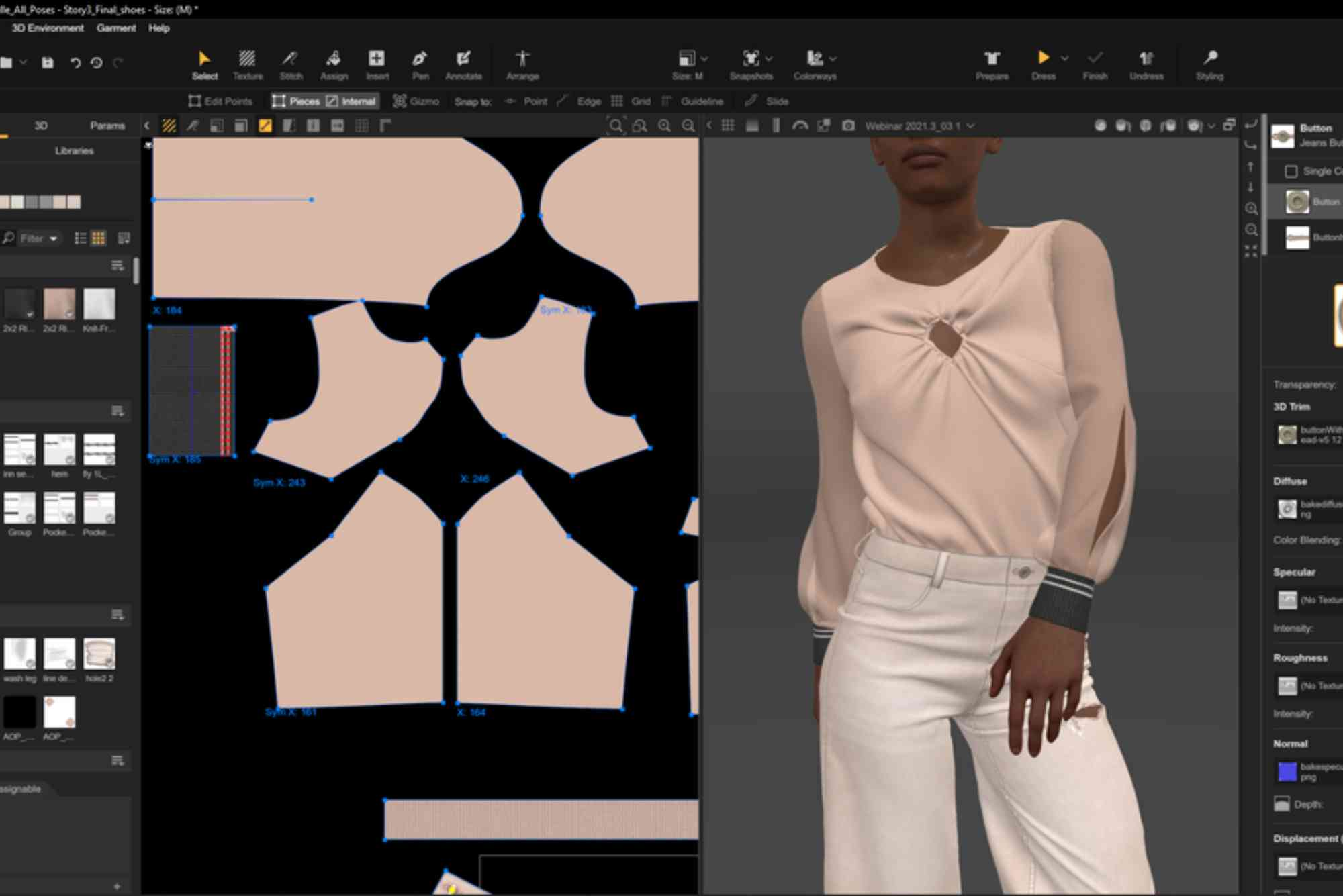
On the design side, tools like CLO 3D allow designers to create digital prototypes. This cuts down waste and speeds up the development process.
Augmented Reality and Virtual Fitting Rooms
Augmented Reality (AR) allows customers to try on clothes virtually, improving online shopping experiences. Brands like Gucci and Zara have introduced AR apps and smart mirrors that let shoppers visualize how clothes look without physically trying them on.
The fashion tech map places AR at the forefront of customer experience transformation.
Sustainable Innovations and Green Tech
Sustainability is a major node on the fashion tech map. From biodegradable fabrics to closed-loop recycling systems, tech is helping reduce the environmental impact of fashion.
Companies like Ecovative are developing mycelium-based leather alternatives. Meanwhile, Resortecs offers stitching technology that allows clothes to be easily disassembled and recycled.
Blockchain for Transparency and Trust
Transparency is another critical aspect. Blockchain helps ensure every stage of a garment’s life—from raw material to retail—is traceable.
Brands like Provenance and Everledger offer blockchain solutions that build consumer trust by verifying supply chains. This is especially vital in the luxury and ethical fashion sectors.
Startups Shaping the Fashion Tech Map
Several startups are reshaping the map by solving real industry challenges.
Bold Metrics: Smarter Sizing Solutions
Bold Metrics uses AI to predict customer body measurements and reduce return rates. Their tech integrates directly into e-commerce platforms, enhancing user experience and reducing waste.
The Fabricant: Digital-Only Fashion
Based in Amsterdam, The Fabricant designs digital-only clothing. These garments can be worn in virtual environments or social media posts. They’re redefining fashion’s relationship with physicality.
Reflaunt: Empowering Circular Fashion
Reflaunt enables brands to integrate resale into their business model. It helps manage take-back programs, resale inventory, and logistics—all digitally.
These companies are expanding the boundaries of the fashion tech map.
Fashion Tech Hubs Around the Globe
Innovation is clustered in cities with strong fashion and tech sectors. Let’s explore where the fashion tech map is most active.
New York City
NYC combines deep fashion roots with a thriving startup ecosystem. Fashion Tech Lab and FIT’s DTech Lab foster innovation through partnerships with designers and technologists.
London
London’s emphasis on sustainable fashion and technology makes it a key player. The London College of Fashion’s Centre for Sustainable Fashion is leading many initiatives.
Paris
Home to haute couture, Paris is increasingly embracing tech. LVMH’s innovation program, LVMH Lab, supports startups in fashion tech.
Dubai
Dubai’s smart city initiatives extend to fashion retail. Brands use AR, VR, and IoT to enhance luxury shopping experiences, making the city a fast-growing tech fashion hub.
Future Trends on the Fashion Tech Map
The fashion tech map is still evolving. Here’s what lies ahead.
Digital Avatars and Virtual Fashion Weeks
With growing interest in the metaverse, fashion brands are creating digital avatars. Virtual runways and NFT-based fashion collections are opening new markets. Balenciaga and Nike have already joined this space.
AI-Powered Supply Chains
Artificial intelligence will optimize supply chains, predicting demand and automating restocks. This reduces overproduction, aligning with sustainability goals.
Customization at Scale
On-demand production powered by 3D printing and AI will make mass personalization viable. Consumers can choose styles, fabrics, and fits—all made in real time.
Real-Life Benefits of Navigating the Fashion Tech Map
Understanding the fashion tech map benefits multiple stakeholders.
For Consumers
- Smarter, more personalized shopping experiences
- Easier access to sustainable options
- Virtual try-ons reduce shopping anxiety
For Brands
- Reduced waste and returns
- Better inventory and trend forecasting
- Direct customer engagement via data and AR
For Designers
- Tools that allow experimentation without waste
- Global collaboration through digital platforms
- Faster time from concept to market
Challenges Along the Fashion Tech Journey
Despite rapid innovation, challenges persist.
Data Privacy Concerns
As brands gather more data to personalize services, they must also prioritize user privacy and data security.
High Initial Costs
Implementing AR, AI, or blockchain solutions can be costly. Smaller brands may struggle to adopt these technologies without support.
Digital Divide
Fashion tech benefits urban and connected populations. There’s a risk of widening inequality if access isn’t expanded globally.
Embrace the Fashion Tech Map
The fashion tech map isn’t just a trend—it’s a revolution that’s here to stay. It brings together creativity, data, sustainability, and innovation in unprecedented ways. Whether you’re a designer, a brand, or a style-conscious consumer, navigating this map will keep you ahead in the fashion game.
Ready to explore the future of fashion? Start mapping your journey today with the latest in wearable tech, AI tools, and sustainable innovation.
Frequently Asked Questions (FAQs)
What is a fashion tech map?
A fashion tech map is a framework that highlights the intersection of fashion and technology. It shows how innovations like wearable tech, AI, and sustainability tools are changing the industry.
How is AI used in the fashion industry?
AI is used in design, trend forecasting, customer service, and personalization. It helps brands predict demand, reduce waste, and improve user experience.
What is an example of wearable fashion tech?
The Levi’s Jacquard jacket by Google is a great example. It includes conductive fibers that let users control their phone with gestures.
How does AR improve online shopping?
Augmented Reality allows customers to try on clothes virtually. This enhances confidence and reduces product returns.
Can fashion tech support sustainability?
Yes. Fashion tech supports sustainability through innovations like biodegradable fabrics, closed-loop recycling, and blockchain supply chain tracking.