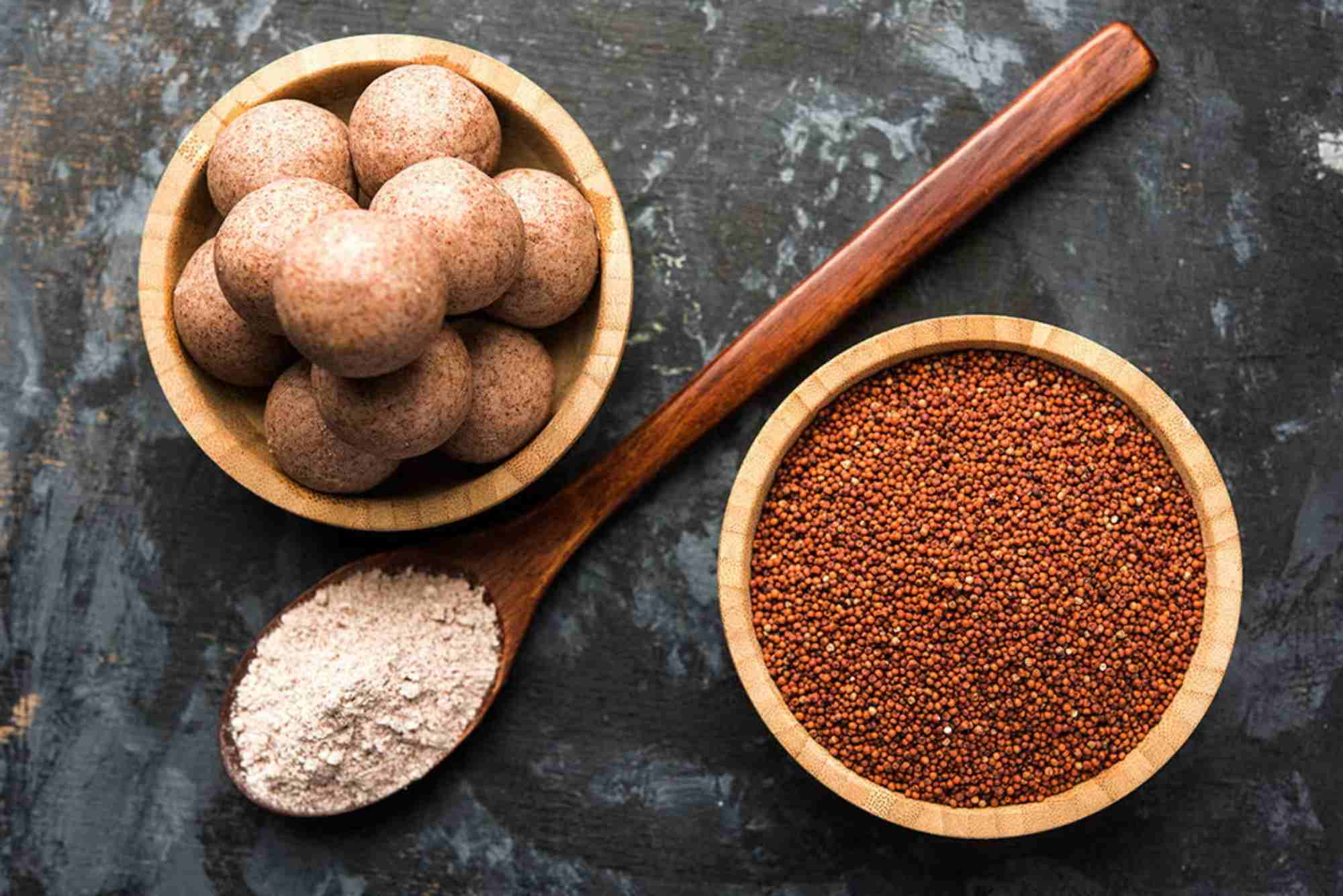
Ragi Nutrition Profile: A Super Grain Worth Eating
Ragi, also known as finger millet, has been a staple in traditional diets for centuries, especially in parts of India and Africa. In recent years, it has earned global recognition as a nutrient-rich super grain. With rising awareness about healthy eating, many people are turning to ragi for its impressive nutritional value, gluten-free nature, and potential to improve overall health. Understanding the ragi nutrition profile is key to knowing why this humble grain is making a big comeback in modern kitchens.
Introduction to Ragi
Ragi is a hardy cereal crop that thrives in dry, arid conditions where many other grains struggle to grow. It is naturally gluten-free, making it suitable for people with gluten intolerance or celiac disease. Its earthy flavor, versatility, and nutrient density have made it a go-to ingredient for traditional dishes like ragi porridge, roti, dosa, and even baked goods.
Beyond taste and tradition, the real value of ragi lies in its nutrient profile. Packed with complex carbohydrates, high-quality protein, dietary fiber, essential minerals, and antioxidants, ragi offers a balanced combination of macronutrients and micronutrients that support overall well-being.
Ragi Nutrition Overview
The nutritional content of ragi per 100 grams (raw) typically includes:
- Calories: ~336 kcal
- Protein: ~7–8 g
- Carbohydrates: ~72 g
- Dietary Fiber: ~3–4 g
- Fat: ~1–1.5 g
- Calcium: ~344 mg
- Iron: ~3.9 mg
- Magnesium: ~137 mg
- Phosphorus: ~283 mg
- Potassium: ~408 mg
These values may vary slightly depending on the variety and processing method, but the overall ragi nutrition profile remains consistently impressive.
Key Nutrients in Ragi and Their Benefits
Calcium for Bone Health
Ragi is one of the richest plant-based sources of calcium, making it a powerful ally for bone strength. Adequate calcium intake is essential for preventing osteoporosis and maintaining healthy teeth. This makes ragi particularly valuable for children, women, and older adults.

Iron for Better Hemoglobin Levels
The iron content in ragi helps in improving hemoglobin levels, reducing the risk of anemia. Consuming ragi with vitamin C-rich foods can enhance iron absorption and boost energy levels naturally.
High-Quality Protein for Muscle Repair
While ragi is not as protein-dense as legumes, the protein it does contain is of good quality and supports muscle growth and repair. Combined with other plant-based protein sources, it can contribute to a balanced vegetarian or vegan diet.
Magnesium for Metabolic Health
Magnesium in ragi plays a vital role in regulating blood sugar, supporting nerve function, and maintaining heart health. It also aids in energy production at the cellular level.
Antioxidants for Cell Protection
Ragi contains polyphenols, which are natural antioxidants that fight oxidative stress. These compounds help reduce inflammation and may lower the risk of chronic diseases.
Dietary Fiber for Digestive Health
The fiber in ragi supports a healthy digestive system, prevents constipation, and aids in maintaining a feeling of fullness for longer periods, which can help with weight management.
Ragi and Blood Sugar Control
One of the standout benefits of ragi is its low glycemic index. Unlike refined grains, ragi digests slowly, preventing rapid spikes in blood sugar levels. This makes it a suitable grain for people with type 2 diabetes or those aiming to stabilize their energy levels throughout the day. Regular consumption of ragi can improve insulin sensitivity and promote better glucose control.
Ragi for Weight Management
Thanks to its fiber content and slow-digesting carbohydrates, ragi can keep you full for longer. This helps reduce unnecessary snacking and supports healthy weight management. The satiety effect of ragi also aids in controlling appetite without compromising nutrition.
Ragi for Heart Health
Ragi’s potassium content supports healthy blood pressure levels, while its magnesium helps regulate heart rhythms. The grain is also cholesterol-free and may help lower LDL (bad cholesterol) when included in a balanced diet. Antioxidants in ragi further protect the cardiovascular system from oxidative damage.
Ragi for Stronger Bones in Children and Adults
The exceptionally high calcium content in ragi makes it a natural choice for strengthening bones during growth years and maintaining bone density later in life. Regular consumption of ragi in childhood can help in the development of a strong skeletal structure. For adults, it can reduce the risk of bone loss and related fractures.
How to Incorporate Ragi into Your Diet
Ragi is extremely versatile and can be included in meals in many ways:
- Ragi porridge for a quick, nutrient-rich breakfast
- Ragi roti or dosa for a filling lunch or dinner
- Ragi malt as a healthy beverage
- Ragi flour in baked goods like bread, cookies, and pancakes
- Ragi-based snack bars for on-the-go nutrition
Fermenting ragi before cooking can further enhance its nutrient bioavailability, especially calcium and iron.
Cooking Tips for Maximum Nutrition
To get the most out of ragi’s nutrition, avoid excessive heat or overcooking, as it can reduce some vitamin content. Pairing ragi with vegetables, nuts, and seeds can increase the meal’s overall nutrient density. For better iron absorption, consume ragi alongside vitamin C-rich foods like citrus fruits, tomatoes, or bell peppers.
Ragi vs Other Grains
Compared to refined wheat and rice, ragi has more calcium, fiber, and antioxidants. Unlike quinoa, which is often imported, ragi is locally grown in many regions, making it an eco-friendly and affordable choice. While oats are also high in fiber, ragi offers a better mineral profile, especially for bone health.
Who Should Eat Ragi
Almost everyone can benefit from adding ragi to their diet. It is especially beneficial for:
- Children needing calcium-rich foods
- Pregnant and lactating women
- Athletes and active individuals
- People with diabetes or prediabetes
- Older adults concerned about bone density
However, people with kidney disorders requiring low potassium or phosphorus diets should consult a doctor before increasing ragi intake.
Common Myths About Ragi
Some believe ragi is only for rural diets, but its rich nutrition makes it suitable for all lifestyles. Others think it is too heavy for digestion, but moderate portions are easily digestible for most people. Fermenting or sprouting ragi can make it even gentler on the stomach.
A Grain Worth Adding to Your Plate
Ragi Nutrition profile proves it is more than just a traditional staple — it is a modern super grain with benefits for people of all ages. From supporting bone strength and controlling blood sugar to improving heart health and aiding weight management, ragi offers a complete package of nutrients in every serving. Including ragi in your diet is a simple, affordable step toward better health. Start by adding small portions of ragi to your meals and explore its many delicious recipes. With its unique combination of taste, versatility, and health benefits, ragi is indeed a grain worth eating every day.
FAQs
Is ragi good for weight loss?
Yes, ragi is high in fiber and helps keep you full, which can reduce overall calorie intake.
Can diabetics eat ragi daily?
Yes, its low glycemic index makes it a safe and beneficial grain for diabetics when eaten in moderation.
Is ragi better than oats?
Both have health benefits, but ragi offers higher calcium and certain antioxidants, making it excellent for bone health.
Can ragi be eaten at night?
Yes, ragi is easy to digest when prepared well and can be consumed at night without discomfort for most people.
Does ragi cause heat in the body?
Ragi is considered a warming food in traditional medicine. Balancing it with cooling ingredients like buttermilk can help.