Tabbouleh Nutrition: Fresh Salad with a Nutritional Punch
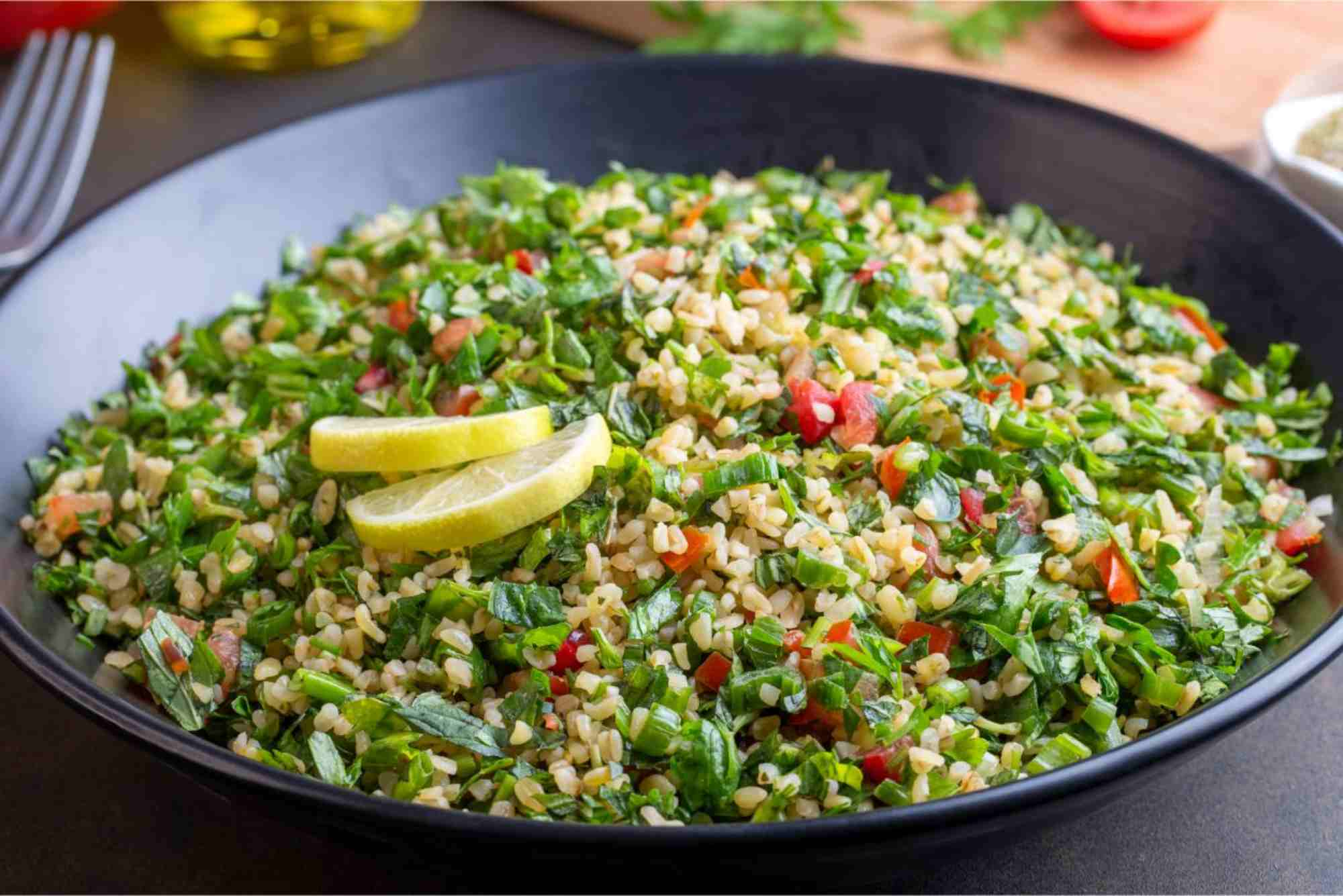
Tabbouleh, the vibrant Mediterranean salad made from parsley, bulgur, tomatoes, mint, and lemon juice, is much more than a flavorful side dish. This refreshing, herb-packed recipe is loaded with nutrients that support overall health. From its impressive vitamin content to its high fiber and antioxidant levels, the tabbouleh nutrition profile makes it a powerhouse addition to any diet. Loved in Lebanon and across the Middle East, this salad has gained global recognition not only for its taste but also for its health benefits.
What is Tabbouleh?
Tabbouleh is a traditional Levantine dish that combines finely chopped parsley, fresh mint, tomatoes, onions, and soaked bulgur wheat, dressed with olive oil and lemon juice. It is typically served as part of a mezze platter but can also be enjoyed as a main salad. What sets tabbouleh apart from most salads is its heavy use of parsley, making it exceptionally rich in vitamins and minerals.
Tabbouleh Nutrition Facts
The nutritional value of tabbouleh can vary slightly based on the recipe, but a typical 1-cup (150 g) serving contains approximately:
- Calories: 180
- Protein: 4 g
- Carbohydrates: 25 g
- Fiber: 5 g
- Fat: 7 g (mainly healthy fats from olive oil)
- Vitamin C: 80% of the daily recommended intake
- Vitamin K: Over 200% of the daily recommended intake
- Folate: 20% of the daily recommended intake
- Iron: 10% of the daily recommended intake
This combination makes tabbouleh a nutrient-dense choice that provides a range of essential vitamins, minerals, and antioxidants without excessive calories.
Key Nutritional Components of Tabbouleh
Rich in Antioxidants
The fresh parsley in tabbouleh is loaded with antioxidants such as flavonoids, carotenoids, and vitamin C. These compounds help protect the body from oxidative stress, which can lead to chronic diseases. Tomatoes also contribute lycopene, an antioxidant linked to heart health and cancer prevention.
High in Fiber
Bulgur wheat and parsley both provide dietary fiber, which aids digestion, supports gut health, and helps maintain steady blood sugar levels. A single serving of tabbouleh offers about 20% of your daily fiber needs.

Packed with Vitamins and Minerals
Parsley is an excellent source of vitamin K, essential for blood clotting and bone health. The addition of lemon juice boosts vitamin C intake, supporting immune function and skin health. Bulgur wheat provides important minerals like manganese, magnesium, and iron.
Healthy Fats from Olive Oil
Olive oil, a core ingredient in the dressing, provides heart-healthy monounsaturated fats. These fats help reduce bad cholesterol (LDL) and may lower the risk of cardiovascular disease.
Health Benefits of Tabbouleh
Supports Heart Health
Thanks to its olive oil, tomatoes, and parsley, tabbouleh contains nutrients that promote cardiovascular health. Antioxidants reduce inflammation, while healthy fats help maintain optimal cholesterol levels.
Promotes Digestive Health
The fiber in bulgur and fresh vegetables supports regular bowel movements and feeds beneficial gut bacteria. This can improve digestion and reduce the risk of constipation.
Aids in Weight Management
Tabbouleh is low in calories yet filling due to its high fiber and water content. This makes it a satisfying option for those aiming to manage weight without feeling deprived.
Boosts Immunity
The combination of vitamin C from lemon juice and tomatoes, plus immune-supporting antioxidants, makes tabbouleh a strong ally for immune defense.
Bone Strength and Blood Health
High levels of vitamin K from parsley help maintain bone density, while the iron from bulgur supports healthy red blood cell production.
How to Make Tabbouleh Healthier
While traditional tabbouleh is already healthy, you can make a few adjustments to maximize its nutritional benefits:
- Use extra virgin olive oil for more antioxidants.
- Increase the parsley and mint ratio for more vitamins and minerals.
- Add cucumber for extra hydration and crunch.
- Use whole-grain bulgur to retain more fiber and nutrients.
Tabbouleh for Different Diets
Tabbouleh naturally fits into many eating plans:
- Vegetarian and Vegan: Contains no animal products.
- Mediterranean Diet: Perfectly aligns with this heart-healthy eating pattern.
- High-Fiber Diet: Provides a good amount of dietary fiber.
- Low-Fat Diet: Can be adjusted by reducing olive oil without losing flavor.
Common Misconceptions About Tabbouleh
Some people think tabbouleh is mainly a grain-based salad, but in authentic recipes, parsley makes up the majority of the dish. Bulgur acts as a complement rather than the base, making it lighter and more nutrient-packed than many grain salads.
Storing and Serving Tabbouleh
Tabbouleh tastes best when fresh, but it can be stored in the refrigerator for up to two days. The flavors often deepen as the ingredients marinate. To prevent sogginess, you can store the dressing separately and mix it before serving.
Tips for Enjoying Tabbouleh Year-Round
- In summer, pair it with grilled vegetables or fish.
- In winter, serve it alongside warm pita bread or roasted meats.
- Use it as a filling for wraps or stuffed vegetables for a creative twist.
A Fresh Way to Boost Nutrition
Tabbouleh is more than a flavorful Mediterranean side dish—it’s a nutrient-packed powerhouse that supports heart health, digestion, immunity, and weight management. With its mix of fresh herbs, whole grains, and healthy fats, tabbouleh nutrition makes it a smart choice for anyone seeking a balanced, wholesome meal. Whether you enjoy it as part of a mezze spread or as a light main course, this salad delivers both taste and health benefits in every bite.
FAQs
Is tabbouleh high in protein?
Tabbouleh contains moderate protein from bulgur and vegetables. For extra protein, pair it with chickpeas or grilled chicken.
Is tabbouleh gluten-free?
Traditional tabbouleh is not gluten-free due to bulgur wheat. You can substitute quinoa for a gluten-free version.
Is tabbouleh good for weight loss?
Yes, its low-calorie, high-fiber profile makes it filling and suitable for weight loss plans.
Does tabbouleh have a lot of carbs?
It contains moderate carbs mainly from bulgur wheat. The portion size determines the total carb intake.
Is tabbouleh good for diabetics?
Tabbouleh’s fiber helps regulate blood sugar, but diabetics should monitor portion sizes to manage carb intake.