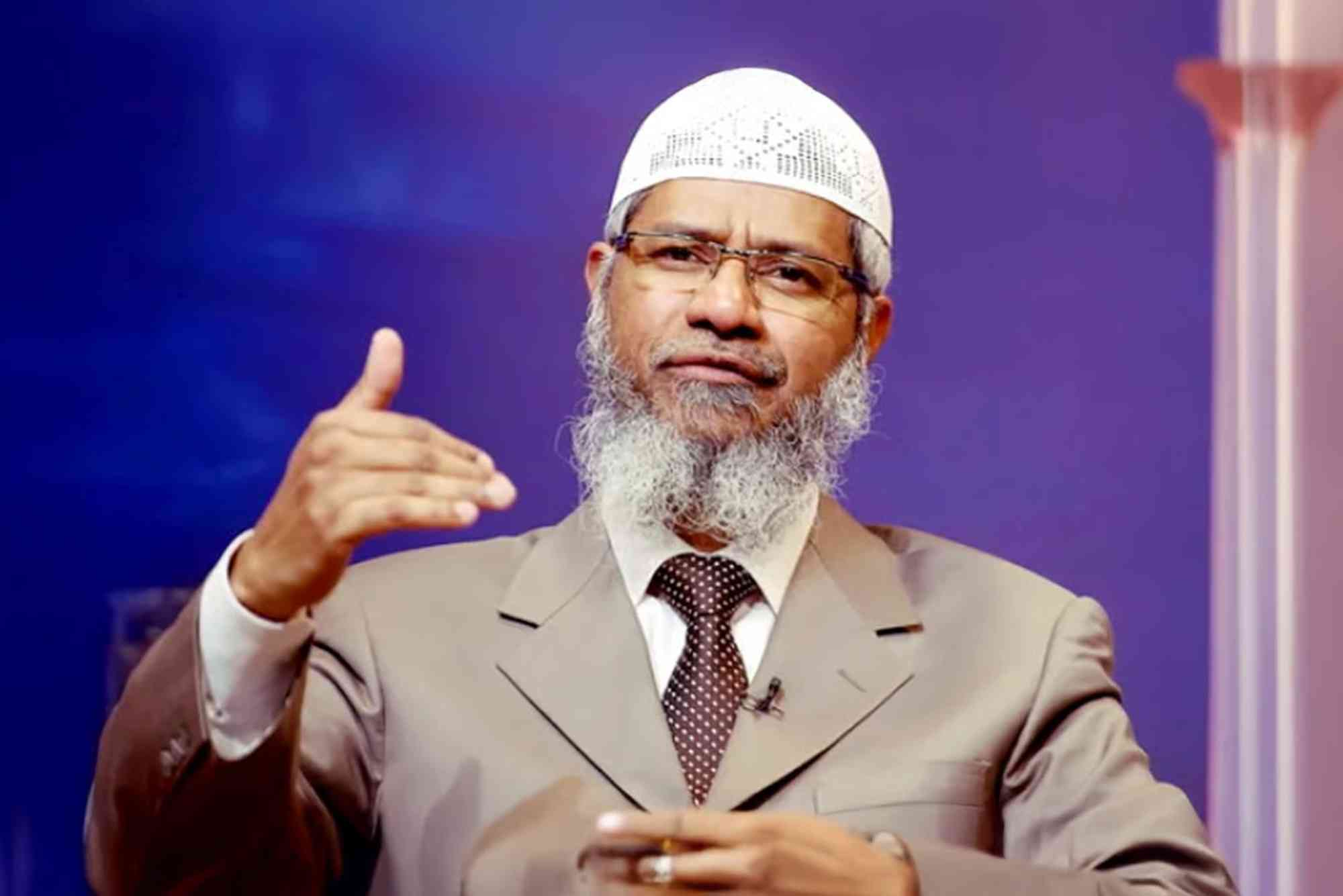
Zakir Naik’s Educational Background: What You Didn’t Know
Dr. Zakir Naik is one of the most recognized Islamic speakers of modern times. Known for his sharp debates and extensive knowledge of comparative religion, he has inspired millions worldwide. However, many people wonder about Zakir Naik education and how a medical doctor became such a prominent religious scholar. His educational journey is as fascinating as his speeches, blending science, medicine, and religious learning.
Zakir Naik’s Education Journey
When we think about Zakir Naik, we often picture him delivering lectures on Islam and comparative religion. What many don’t know is that his journey began in the classrooms of Mumbai. From a medical background to mastering Islamic scholarship, Zakir Naik education reflects both academic excellence and self-driven learning. Understanding this journey helps us see how his scientific approach shaped his method of explaining faith.
Early Education of Zakir Naik
Schooling in Mumbai
Zakir Naik was born in Mumbai, India, in 1965. He attended St. Peter’s High School, a respected institution in Mumbai. His early schooling played a critical role in shaping his discipline, analytical thinking, and command of the English language. These skills later became the foundation of his public speaking style.
Higher Secondary Studies
After his schooling, he pursued science at Kishinchand Chellaram College (KC College), Mumbai. It was here that he developed a strong interest in biology and human sciences. This period laid the groundwork for his future medical career. His fascination with how the human body works continued to influence his perspective even when he shifted focus to religion.
Zakir Naik’s Medical Education
Admission to Top Medical College
Zakir Naik’s formal higher education took place at Topiwala National Medical College (TNMC) and Nair Hospital in Mumbai. Known as one of the leading medical institutions in India, TNMC has produced many well-known doctors. Naik pursued his Bachelor of Medicine and Bachelor of Surgery (MBBS), a degree that requires years of dedication.
Completing MBBS Degree
During his MBBS training, Naik studied anatomy, physiology, pharmacology, and other fields that gave him a deep understanding of science. His medical background sharpened his logical reasoning, which later became visible in his religious lectures. He completed his MBBS successfully, becoming a qualified doctor.

Transition from Medicine to Islamic Scholarship
The Turning Point
While practicing medicine, Zakir Naik began exploring religious texts. Inspired by the works of Ahmed Deedat, a famous Islamic preacher from South Africa, he felt a strong pull toward comparative religion. This was the turning point where his focus shifted from curing physical illness to addressing spiritual questions.
Founding Islamic Research Foundation (IRF)
In 1991, Dr. Naik founded the Islamic Research Foundation (IRF) in Mumbai. His medical background helped him bring a scientific approach to his religious debates. Instead of relying solely on tradition, he emphasized logic, reason, and evidence. This method attracted audiences across cultures and religions.
How Zakir Naik’s Education Shaped His Style
Scientific Approach to Religion
Because of his medical education, Dr. Naik often uses a logical and evidence-based style in his speeches. He explains Quranic verses and Hadith using examples from science, making complex topics easy to understand. His background helps him address skeptical audiences with confidence.
English Proficiency and Presentation Skills
Zakir Naik’s education in English-medium schools gave him fluency in the language. Combined with his medical training, this allowed him to deliver lectures to global audiences. Today, his speeches are broadcast in multiple languages, but his English communication remains his strongest tool.
Cross-Disciplinary Knowledge
Unlike traditional religious scholars, Naik combines medical knowledge, modern science, and comparative religion. This unique blend makes his lectures appealing not only to Muslims but also to people from other faiths.
Lesser-Known Facts About Zakir Naik’s Education
Memorization and Self-Learning
Although he has no formal Islamic seminary degree, Dr. Naik memorized large portions of the Quran and Hadith collections. His ability to recall references instantly comes from years of disciplined self-learning.
Influence of Ahmed Deedat
Ahmed Deedat’s works inspired Naik to study the Bible, the Vedas, the Bhagavad Gita, and Buddhist scriptures. His comparative study was largely self-taught, using the same dedication he once applied to medicine.
Balance of Science and Religion
Naik often bridges science with scripture, claiming that true scientific discoveries align with religious texts. His scientific education gave him the confidence to defend this viewpoint in debates.
Criticism and Controversy Around His Education
Some critics argue that since Zakir Naik does not hold a formal Islamic degree, he should not be considered a scholar. However, his supporters point out that his knowledge is extensive and practical, backed by years of self-study and global recognition. Whether one agrees or not, it is clear that Zakir Naik education is unusual yet impactful.
FAQs
What is Zakir Naik’s qualification?
He holds an MBBS degree in medicine from Topiwala National Medical College and Nair Hospital, Mumbai.
Did Zakir Naik study Islam formally?
No, he did not attend a traditional Islamic seminary. Instead, he studied Islam independently, inspired by scholars like Ahmed Deedat.
How did Zakir Naik become an Islamic preacher?
He transitioned from medicine to preaching after being influenced by comparative religion lectures and eventually founded the Islamic Research Foundation.
Why does Zakir Naik use science in his lectures?
His medical education shaped his logical and scientific approach, making him present religious ideas with evidence and reasoning.
Which college did Zakir Naik attend?
He studied medicine at Topiwala National Medical College (TNMC) and Nair Hospital in Mumbai.
Zakir Naik’s education journey is unlike that of most religious speakers. From excelling in medicine to mastering comparative religion, his academic path reflects dedication, curiosity, and self-discipline. His medical background gave him logic and precision, while his passion for faith led him to become a global voice in Islamic scholarship.