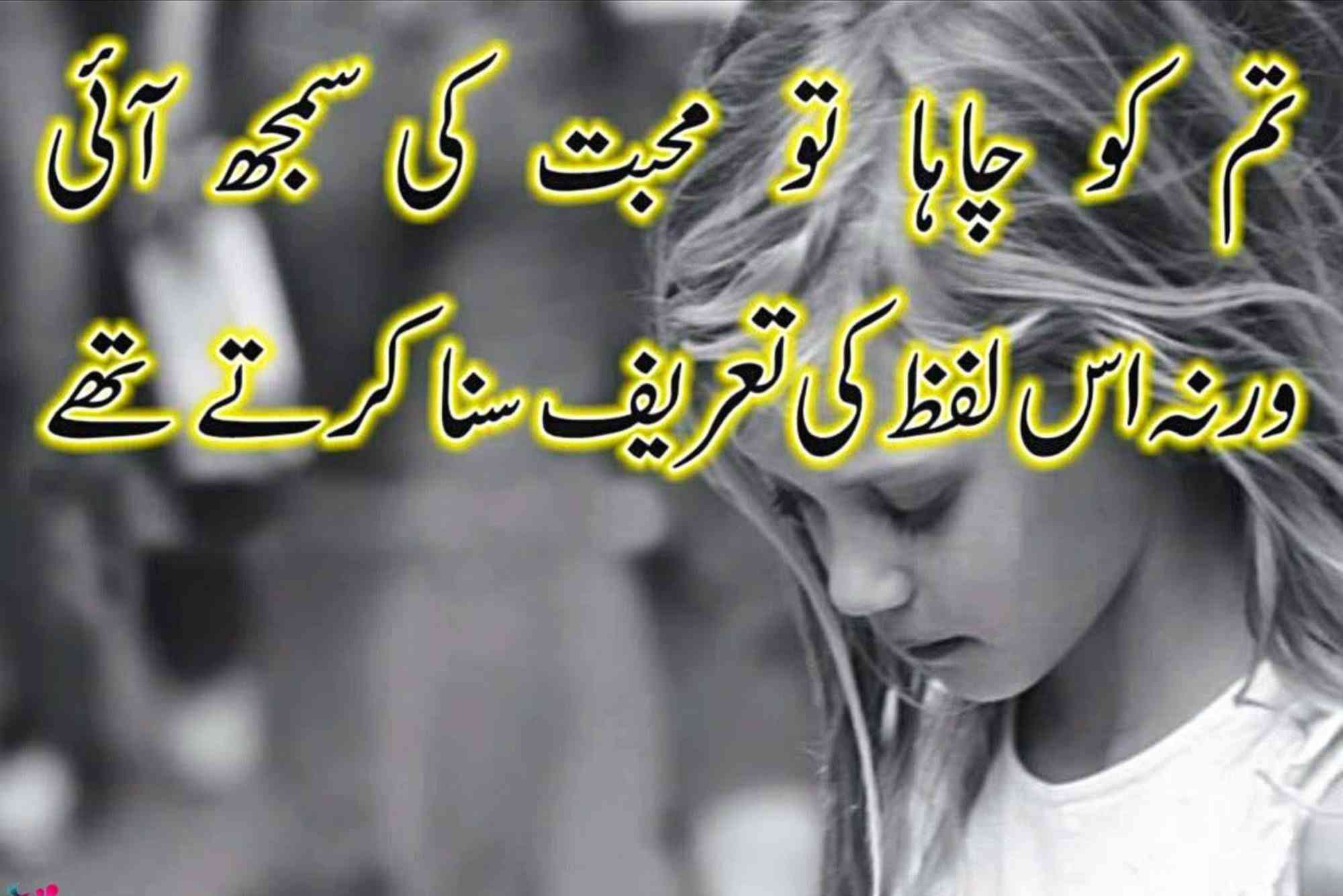
Poetry has always been the language of the heart, a way to capture emotions that ordinary words fail to express. Among the many literary traditions of the world, Urdu poetry shines with a timeless glow. Known for its elegance, depth, and musical rhythm, Urdu poetry has given the world verses that are both romantic and soulful. For centuries, poets have written beautiful poetry in Urdu to convey love, longing, and the delicate nuances of human emotion. Whether spoken softly to a beloved or read silently in solitude, these lines remain eternal companions of the heart.
The Charm of Beautiful Poetry in Urdu
Urdu poetry carries a unique softness. Each verse flows like music, blending beauty with wisdom. The language itself is melodic, allowing words to capture feelings that would otherwise remain unspoken. When one reads or hears beautiful poetry in Urdu, the experience feels like stepping into another world — a world where emotions are celebrated and every line holds a touch of magic.
Unlike prose, poetry gives us condensed emotion. A single couplet, or sher, can hold volumes of meaning. It is this richness that makes Urdu poetry beloved, not only in South Asia but among poetry lovers worldwide. When poets like Mirza Ghalib or Faiz Ahmed Faiz spoke of love and sorrow, they touched universal chords. Their romantic yet soulful lines remind us that love is as much about joy as it is about longing.
Romantic Beauty in Urdu Poetry
Romantic poetry in Urdu holds a special place in literature. Poets often write about love in its purest form — admiration of beauty, yearning for closeness, or the pain of separation. These themes remain timeless because they reflect the deepest truths of the human heart.
In beautiful poetry in Urdu, love is not just passion. It is tenderness, respect, and devotion. The beloved is often described as a divine figure, with beauty compared to the moon, the stars, or even the first bloom of spring. Such imagery allows readers to feel not only admiration but also reverence. Through these verses, poets elevate love to something sacred and eternal.
Soulful Expression Beyond Romance
While romantic love remains central, Urdu poetry also captures soulful emotions that go beyond relationships. Many poets write about the connection between the self and the universe, the longing for peace, or the search for meaning in life. Beautiful poetry in Urdu becomes a mirror, reflecting both personal feelings and collective human experiences.

This soulful quality is why Urdu poetry is often recited in gatherings, sung in music, and quoted in everyday conversation. A single verse can become a guiding light, helping someone express their grief, joy, or hope. It is not limited to literature; it becomes part of living culture, enriching both private and public life.
The Musical Rhythm of Urdu Verses
One of the reasons beautiful poetry in Urdu feels so enchanting is its rhythm. The language has natural softness, allowing poets to weave verses with harmony. Every word seems to dance in sync with emotions. This rhythm makes Urdu poetry easy to recite and even easier to remember.
The ghazal is one of the most famous forms of Urdu poetry. It consists of couplets that stand alone in meaning yet connect through shared themes. This structure allows poets to explore love and longing from many angles, creating a tapestry of emotions. The nazm, another form, flows like a story, offering more freedom while maintaining lyrical grace. Both forms have given the world some of the most beautiful poetry in Urdu.
Timeless Poets Who Shaped Urdu Literature
When discussing beautiful poetry in Urdu, it is impossible not to mention the poets who shaped its legacy. Mirza Ghalib remains a towering figure, his verses filled with depth and longing. His romantic and soulful lines still resonate with readers across generations. Similarly, Faiz Ahmed Faiz brought a modern voice to Urdu poetry, blending love with themes of social justice and freedom. His poetry reminds us that beauty lies not only in personal love but also in compassion for humanity.
Other poets like Allama Iqbal, Ahmed Faraz, and Parveen Shakir also contributed gems of poetry that continue to inspire. Their works show that Urdu poetry is not bound by time. Each generation finds meaning in their words, proving that true art never fades.
Beautiful Poetry in Urdu for Everyday Life
The beauty of Urdu poetry lies in its accessibility. While it belongs to literature, it also belongs to daily life. People recite romantic couplets in letters, use soulful lines in conversations, and sing poetic verses in music. From weddings to gatherings of friends, beautiful poetry in Urdu adds grace and charm to every occasion.
In moments of love, a romantic verse can express what hearts cannot say aloud. In times of sorrow, a soulful line can bring comfort and strength. Poetry becomes more than art; it becomes an emotional language shared by all.
Why Beautiful Poetry in Urdu Still Matters
In today’s fast-paced digital world, poetry continues to hold its place. Beautiful poetry in Urdu reminds us to pause and feel. It slows us down, allowing us to reconnect with emotions that modern life often rushes past.
Romantic verses continue to inspire lovers, while soulful lines guide people through challenges. The power of Urdu poetry lies in its timeless nature. No matter how much the world changes, emotions remain the same. Love, longing, and hope are eternal, and Urdu poetry gives them a voice.
FAQs about Beautiful Poetry in Urdu
What makes Urdu poetry unique?
The softness of the language, the depth of its imagery, and its rhythmic flow make Urdu poetry unique and memorable.
Who are the most famous Urdu poets?
Some of the most celebrated poets include Mirza Ghalib, Faiz Ahmed Faiz, Allama Iqbal, Ahmed Faraz, and Parveen Shakir.
What is the difference between a ghazal and a nazm?
A ghazal is made up of independent couplets that share a theme, while a nazm is more like a flowing poem that tells a story or develops a single idea.
Why is Urdu poetry often called romantic?
Because many poets use their verses to express love, beauty, and longing in ways that elevate everyday feelings into timeless art.
Can Urdu poetry be enjoyed without knowing the language?
Yes, translations and recitations allow even non-speakers to enjoy the beauty and emotion of Urdu poetry, though the original carries unmatched charm.
A Timeless Legacy of Words
Beautiful poetry in Urdu is more than just literature; it is a treasure of emotions and experiences. Through romantic and soulful lines, poets have given generations a way to understand love, loss, hope, and beauty. These verses continue to speak to the human heart, reminding us that emotions are universal and eternal.