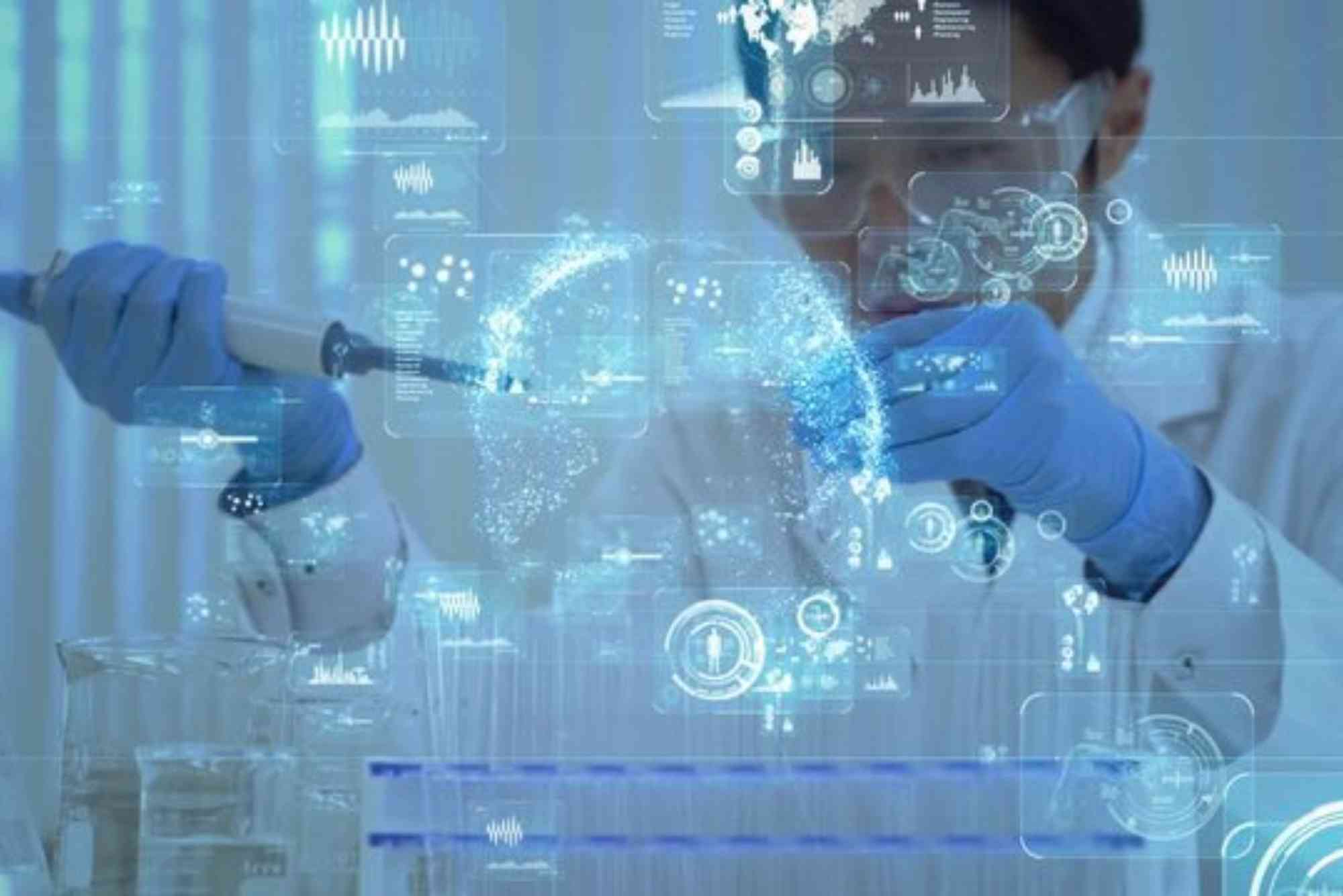
of improvement. Over centuries, countless technological discoveries have shaped the world we live in today. These innovations have not only changed how we live and work but also redefined communication, transportation, health, and even the way we think. Understanding these transformative moments in human history helps us appreciate the power of technology and its endless potential for progress.
Technology is not merely a product of science—it is the application of human ingenuity to solve real-world problems. From the discovery of fire to the rise of artificial intelligence, every era has witnessed a leap that reshaped society. Let’s journey through some of the most remarkable technological discoveries that forever altered the course of history.
The Dawn of Civilization and Early Technological Discoveries
The story of human progress began with simple but revolutionary discoveries. The control of fire, the invention of the wheel, and the development of tools marked the beginning of our technological evolution. Fire was more than a source of warmth—it allowed early humans to cook food, ward off predators, and eventually gather in communities. This simple yet profound discovery transformed survival into civilization.
The wheel came next, turning the impossible into possible. It revolutionized transport, trade, and craftsmanship. With wheels came carts, pottery, and machines—each advancing the capabilities of human hands and minds. Similarly, early tools made from stone, bronze, and iron gave rise to agriculture, architecture, and industry.
Agriculture itself was a monumental discovery. Once humans learned to cultivate crops and domesticate animals, societies flourished. Villages became cities, and knowledge began to pass from one generation to the next. Writing soon followed, marking the dawn of recorded history and the birth of education, governance, and culture.
The Scientific Revolution and Industrial Transformation
As human understanding deepened, the pace of technological discoveries quickened. The scientific revolution of the 16th and 17th centuries changed how people perceived the world. Discoveries in physics, chemistry, and astronomy laid the foundation for machines and innovations that powered the modern age.

The Industrial Revolution, beginning in the late 18th century, was perhaps the greatest leap of all. The steam engine redefined transportation and manufacturing. Factories emerged, cities expanded, and goods that once took weeks to produce were made in hours. This shift not only boosted economies but also changed the social fabric of nations.
Electricity soon followed, illuminating homes and industries. The discovery of electromagnetic induction by Michael Faraday paved the way for electric generators, telegraphs, and later, the telephone. The world suddenly became interconnected, and communication crossed oceans and continents within moments. These breakthroughs made the 19th century an age of invention and set the stage for the technological explosion that followed.
The Digital Revolution and Rise of Modern Technologies
The 20th century marked the beginning of the digital revolution, a period defined by electronic devices, computers, and automation. The invention of the transistor in the 1940s transformed bulky machines into compact, efficient devices. It was one of the most significant technological discoveries in history, laying the foundation for computers, smartphones, and the internet.
The computer was not just another machine—it was an extension of human intelligence. Early computers, designed for complex calculations, soon became personal tools that empowered individuals. As software developed, computing shifted from scientific use to everyday life. The internet then connected these computers globally, turning information into the new currency of power.
With the rise of digital technology, communication entered a new era. Emails replaced letters, video calls bridged distances, and social media turned the world into a connected village. Knowledge became accessible to anyone with a connection. This democratization of information reshaped education, business, and even politics.
Breakthroughs in Medicine and Biotechnology
Among the most impactful technological discoveries are those in the field of medicine. The invention of the microscope opened an unseen world of cells and bacteria. It led to germ theory and the realization that diseases were caused by microorganisms rather than superstition or fate.
Vaccines, antibiotics, and anesthesia followed, saving billions of lives. The discovery of penicillin by Alexander Fleming was a turning point, marking the dawn of modern medicine. Later, medical imaging technologies such as X-rays, MRIs, and CT scans allowed doctors to see inside the human body without surgery.
The 21st century introduced biotechnology and genetic engineering. Scientists can now modify genes, cure hereditary diseases, and even grow artificial organs. The mapping of the human genome gave humanity the blueprint of life itself. Such discoveries not only extend lifespan but also improve quality of life.
Technology has also made healthcare more accessible. Telemedicine, wearable health trackers, and artificial intelligence are helping diagnose diseases faster and more accurately. These advances are closing the gap between medical innovation and human need.
Space Exploration and Its Technological Impact
The desire to explore beyond our planet led to some of the most ambitious technological discoveries of all time. When humans first landed on the Moon in 1969, it wasn’t just a triumph of science—it was proof of what human determination and technology could achieve.
Space exploration has since evolved from rockets and satellites to rovers on Mars and telescopes that peer into distant galaxies. The technologies developed for space travel, such as solar panels, GPS systems, and advanced materials, have found applications in everyday life.
Moreover, the study of space has expanded our understanding of Earth. Satellites help monitor climate change, predict weather patterns, and track natural disasters. These discoveries continue to influence both science and survival on our planet.
Today, private companies are pushing the boundaries even further, exploring reusable rockets and potential colonization of other planets. The impact of space technology reaches far beyond the stars—it influences communication, navigation, and even agriculture on Earth.
Artificial Intelligence and the Future of Human Innovation
No discussion of technological discoveries would be complete without artificial intelligence. AI represents the latest and most complex phase of technological evolution. Machines can now learn, adapt, and make decisions, mimicking aspects of human thought.
Artificial intelligence is transforming industries from healthcare to finance. Algorithms analyze vast amounts of data to detect patterns and predict outcomes. In medicine, AI helps diagnose diseases; in transportation, it powers self-driving cars; and in business, it enhances productivity through automation.
However, AI also raises ethical questions about privacy, employment, and control. As technology grows smarter, society must find ways to ensure it remains aligned with human values. The future of AI will likely depend on how responsibly it is developed and deployed.
The Role of Renewable Energy and Environmental Technologies
As the world faces the consequences of industrialization, the next wave of technological discoveries focuses on sustainability. Renewable energy sources like solar, wind, and hydro power are transforming how we produce and consume energy.
Advancements in battery storage, electric vehicles, and smart grids are reducing dependence on fossil fuels. Environmental technologies are also helping monitor ecosystems, clean oceans, and reduce carbon emissions. These innovations not only protect the planet but also promise economic growth through green industries.
The balance between progress and preservation has become a central theme of modern technological advancement. Humanity’s greatest challenge is no longer creating new technologies but using them wisely to ensure a sustainable future.
The Social and Cultural Impact of Technological Discoveries
Technology does not exist in isolation—it shapes and is shaped by society. Each major discovery has transformed how people live, think, and connect. The printing press spread knowledge, the internet democratized information, and social media redefined communication.
These changes have brought both opportunities and challenges. While technology connects people across borders, it also raises concerns about privacy, misinformation, and social division. Balancing these effects requires education, regulation, and awareness.
Despite these challenges, the cultural impact of technological discoveries remains overwhelmingly positive. They empower creativity, enable progress, and inspire new generations to explore and innovate.
The Continuing Journey of Human Innovation
The story of technology is far from over. Every generation builds upon the discoveries of the past to create something new. Emerging fields like quantum computing, biotechnology, and nanotechnology are opening frontiers that once belonged to science fiction.
What makes these discoveries truly transformative is not just their technical brilliance but their ability to improve human life. Each innovation reflects the best of human curiosity—the drive to understand, create, and evolve.
Embracing the Power of Technological Discoveries
From the first spark of fire to the rise of artificial intelligence, technological discoveries have guided humanity’s journey through time. They have redefined existence, enabling us to reach new heights in knowledge, health, and creativity. As we move into the future, our responsibility is to ensure that technology serves humanity, not the other way around.
The next great discovery could be just around the corner—one that changes everything once again. To stay ahead, embrace learning, adapt to change, and participate in the ongoing evolution of human innovation.
Frequently Asked Questions
What are the most important technological discoveries in history?
Some of the most significant include fire, the wheel, electricity, the computer, and the internet. Each transformed how humans live and interact.
How have technological discoveries changed society?
They have improved communication, health, and productivity while also creating new challenges like automation and data privacy concerns.
What is the next big technological discovery expected to be?
Experts anticipate breakthroughs in artificial intelligence, quantum computing, and biotechnology, which may redefine human life once again.
How do technological discoveries affect the economy?
They drive growth by creating new industries, increasing efficiency, and expanding opportunities for innovation and employment.
Why is understanding technological discoveries important?
It helps us learn from history, make informed choices about the future, and ensure technology benefits society as a whole.