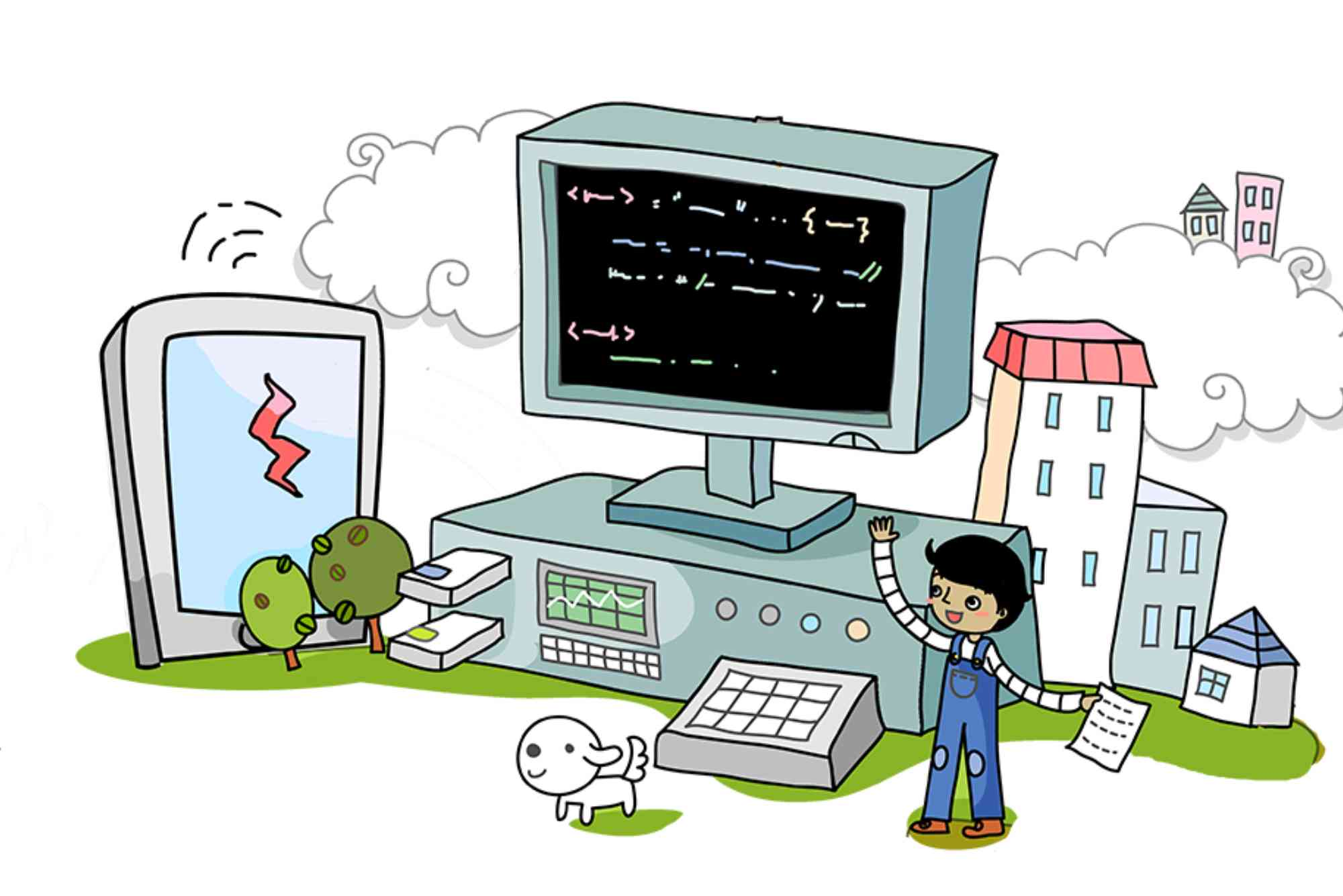
In the digital age, the boundary between technology and creativity is becoming delightfully blurred. One fascinating example is the rise of the technology cartoon image trend—a unique intersection of humor, art, and innovation. These cartoons go beyond mere entertainment; they serve as clever commentaries on modern life, the digital revolution, and the evolving relationship between humans and technology. Whether used in marketing, education, or social media, technology cartoon images capture attention by making complex ideas instantly relatable and visually engaging.
The Rise of Technology Cartoon Images in the Digital Era
The last decade has seen a dramatic surge in visual storytelling. With audiences craving quick, digestible content, the technology cartoon image has become a powerful communication tool. The shift toward short-form media and meme culture has made humor one of the most effective ways to engage online audiences. In this landscape, technology cartoons provide the perfect balance of wit and insight. They humanize innovation, turning abstract concepts like artificial intelligence or cybersecurity into memorable visual metaphors.
These cartoons are not limited to comic strips or editorial drawings anymore. They appear in tech blogs, presentations, startup websites, and educational materials. Designers and marketers use them to simplify complex subjects such as blockchain or cloud computing. The appeal lies in their universality—everyone can relate to the humor that arises when humans grapple with the quirks of technology.
Humor as a Bridge Between Humans and Machines
Humor has always been a mirror reflecting society’s deepest concerns and curiosities. In the age of automation and artificial intelligence, technology cartoon images use humor to make these innovations feel more human. Instead of presenting robots as cold, mechanical beings, cartoons often depict them as characters with personalities, emotions, and even flaws. This approach makes technology approachable and sparks curiosity rather than fear.
By laughing at our shared experiences—like autocorrect fails or virtual assistant misunderstandings—we collectively process the rapid changes shaping our world. Humor serves as a bridge between the unfamiliar and the familiar. A simple cartoon about a robot making a typo can communicate more about the limitations of AI than a page of technical writing ever could.
Why Technology Cartoon Images Matter in Communication
Visual humor has an incredible ability to make information stick. When someone laughs, their brain forms stronger emotional associations with the content. This is why technology cartoon images are becoming an integral part of marketing and educational strategies. They simplify messages while maintaining engagement, and they can express complex technological ideas in seconds.

For educators, these images make learning more dynamic. Students often find abstract technological topics intimidating, but cartoons turn those ideas into approachable, often funny stories. In marketing, they offer an edge in crowded digital spaces. A well-timed technology cartoon image can go viral, driving both brand recognition and emotional connection.
Moreover, cartoons transcend language barriers. A clever illustration can convey irony, skepticism, or optimism about technology’s impact without requiring translation. This universality makes cartoon imagery one of the most effective tools for global communication in tech-driven industries.
Technology Cartoon Image Trends Shaping Modern Media
The evolution of technology cartoon images reflects broader cultural and technological trends. As artificial intelligence becomes mainstream, many cartoons now depict AI with a sense of humor—sometimes as a helpful assistant, other times as a mischievous companion. Similarly, the growing conversation around digital privacy, social media, and virtual reality offers endless inspiration for cartoonists.
One notable trend is the rise of minimalist design in tech cartoons. Artists increasingly rely on simple lines and subtle color palettes to emphasize humor and message over visual complexity. This minimalism aligns with modern design aesthetics and ensures that cartoons remain easily shareable across digital platforms.
Another emerging trend is the fusion of animation and cartoon illustration. Short animated GIFs or clips featuring technology cartoon images are thriving on social media, where movement grabs attention in fast-scrolling feeds. These animations bring jokes to life, making them more dynamic and memorable.
The Psychology Behind the Appeal
At the core of every effective technology cartoon image is a psychological connection. Humor activates emotional responses that make people more receptive to information. When we laugh, our cognitive barriers drop, and we become more open to learning or accepting new ideas. This is especially powerful in fields like technology, where topics can seem abstract or intimidating.
Cartoons also allow people to project their feelings about technology in a safe and lighthearted way. A drawing of a smartphone feeling “overwhelmed” by notifications mirrors our daily frustrations without direct criticism. This blend of empathy and humor makes such cartoons resonate deeply. They don’t just make us laugh—they make us feel seen.
Technology Cartoons and Storytelling in Innovation
Storytelling is the heartbeat of innovation. Every invention begins with a problem, a creative idea, and the journey toward a solution. Technology cartoon images often follow a similar narrative arc. They portray everyday challenges—like struggling with passwords or dealing with software updates—and turn them into small stories that reflect our collective experience.
By transforming technological progress into relatable narratives, these cartoons help humanize innovation. For instance, a comic strip showing a robot learning empathy not only entertains but also highlights real-world discussions about AI ethics. Through humor, we explore serious topics without fear or fatigue.
The Role of Technology Cartoon Images in Brand Identity
Many tech companies now use cartoons to reinforce their brand voice. A friendly cartoon mascot or recurring visual theme helps businesses appear approachable and authentic. Unlike stock photos, cartoon images are unique, easily customizable, and capable of expressing tone and emotion in ways traditional visuals cannot.
For startups, especially in software or AI industries, cartoon images differentiate them from competitors. They communicate innovation while maintaining a human touch. Audiences tend to remember brands that make them smile, and humor-driven imagery ensures lasting impressions.
A well-designed technology cartoon image can serve as both storytelling and branding—conveying professionalism while staying playful. This blend of sophistication and humor reflects the modern ethos of innovation itself: smart, creative, and people-centered.
How Creators Use Technology in Making Cartoon Images
Interestingly, the tools used to create technology cartoon images are often the same technologies being depicted. Artists use digital drawing tablets, AI-assisted design tools, and even generative algorithms to speed up the creative process. Artificial intelligence can help sketch ideas, suggest color palettes, or generate visual variations.
Yet, despite the automation available, human creativity remains at the heart of it all. The humor, timing, and cultural insight in each cartoon come from an artist’s perspective. Technology may streamline production, but the spark of wit and observation that defines a great cartoon remains uniquely human.
The Cultural Impact of Tech Humor
Technology cartoons often serve as gentle critiques of our digital habits. They point out the absurdities of endless notifications, virtual meetings, or our reliance on algorithms. Through laughter, we gain perspective on how innovation shapes our behavior. These images don’t reject technology—they remind us to stay mindful amid rapid progress.
They also act as historical snapshots of technological evolution. Looking back at older cartoons about early computers or dial-up internet, we see how humor has chronicled every stage of the digital revolution. Each image captures not only how technology worked but how society felt about it at the time.
The Future of Technology Cartoon Images
As technology continues to advance, so too will the ways we visualize it. We can expect more interactive and immersive cartoon experiences in the coming years. Virtual reality and augmented reality could allow viewers to step inside cartoon worlds, making tech humor even more experiential.
Artificial intelligence may also play a role in co-creating future cartoons, suggesting jokes or drawing ideas based on trends. However, no matter how advanced the tools become, the essence of humor will remain human—reflecting our ongoing dialogue with innovation.
The growing popularity of technology cartoon images proves that laughter and learning can coexist beautifully. By combining art, humor, and insight, these cartoons ensure that technology feels less like a distant force and more like a shared journey.
FAQs
What is a technology cartoon image?
A technology cartoon image is a humorous or insightful illustration that portrays technology-related themes such as AI, gadgets, or digital culture.
Why are technology cartoons popular?
They simplify complex ideas, entertain audiences, and make technology more relatable through humor and visual storytelling.
How are technology cartoon images used in marketing?
Brands use them to attract attention, explain concepts quickly, and create emotional connections with audiences.
Can AI create technology cartoon images?
Yes, AI tools can assist with sketching and coloring, but human creativity is still essential for humor and narrative.
Are technology cartoons suitable for education?
Absolutely. They make learning engaging and help explain abstract technological topics in an accessible and memorable way.
Laughing Our Way Into the Future
In a world increasingly defined by algorithms, automation, and digital interfaces, humor keeps us grounded. Technology cartoon images remind us that behind every line of code or futuristic invention lies a very human story—one filled with curiosity, imperfection, and laughter.
By embracing humor in innovation, we not only understand technology better but also connect more deeply with the world it creates. So the next time you come across a clever cartoon about robots or smartphones, take a moment to smile—you’re witnessing art and innovation in perfect harmony.