Trade Finance Analytics: Tools, Trends, and Case Studies
Trade finance is one of the oldest and most vital pillars of global commerce. Yet in today’s data-driven world, trade finance analytics has emerged as a transformative force reshaping how banks, businesses, and regulators operate. By turning raw data into actionable insights, companies can reduce risks, improve decision-making, and unlock opportunities that were once invisible. This article explores trade finance analytics in depth, including its core tools, emerging trends, and practical case studies showing its value in real-world trade scenarios.
Introduction to Trade Finance Analytics
Trade finance refers to financial instruments and services that facilitate international trade, such as letters of credit, supply chain finance, and guarantees. Historically, trade finance operated on trust, paper-based processes, and manual verifications. However, the complexity of global supply chains and the increasing need for transparency have made advanced analytics essential. Trade finance analytics combines financial data, trade flows, compliance records, and market intelligence to generate deeper insights. It helps institutions manage risks like defaults, fraud, or currency fluctuations while enabling businesses to optimize their financing options. In short, analytics gives stakeholders a clearer view of trade ecosystems, helping them act proactively rather than reactively.
Why Trade Finance Analytics Matters
The global trade finance gap is estimated at more than $2.5 trillion, leaving many small and medium-sized enterprises (SMEs) underserved. Traditional banks often hesitate to provide financing because of limited visibility into an applicant’s creditworthiness or the complexity of cross-border transactions. Trade finance analytics bridges this gap by offering data-driven risk assessments and predictive modeling. It also improves compliance with international regulations, reduces paperwork, and increases efficiency across transactions. For businesses, analytics means quicker access to financing, better supply chain resilience, and lower costs. For banks, it strengthens portfolio quality and helps uncover new opportunities in untapped markets.
Core Tools in Trade Finance Analytics
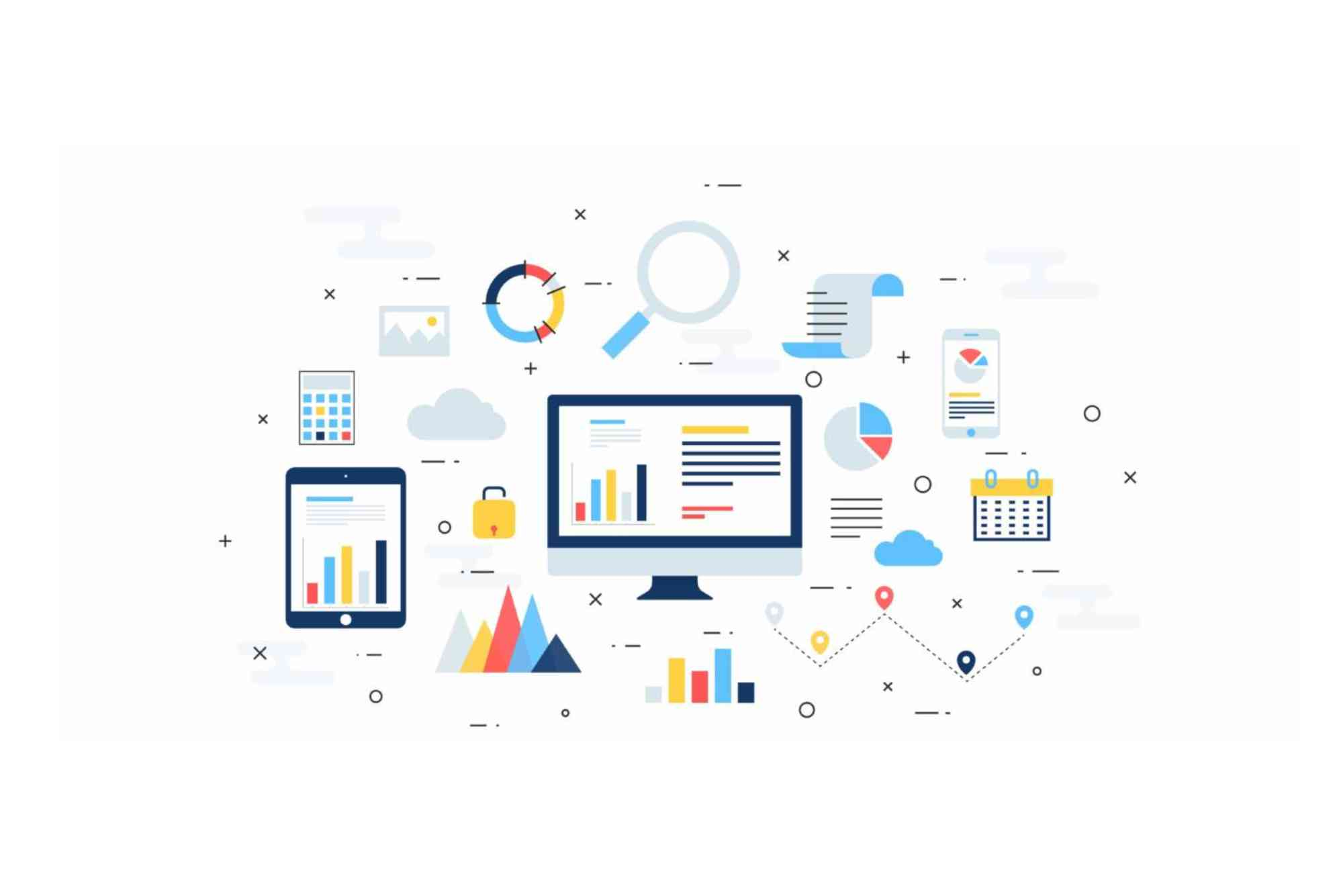
Modern trade finance analytics is powered by a range of digital tools and technologies. Artificial intelligence and machine learning are central, enabling predictive models that identify risks in real time. Big data platforms process vast volumes of structured and unstructured information, from invoices to shipping records. Blockchain technology ensures secure, tamper-proof transaction records that enhance trust among participants. Cloud-based dashboards allow stakeholders to monitor trade flows, track financing performance, and collaborate across borders. Additionally, natural language processing tools extract insights from trade documents, speeding up processes that once took weeks. These tools work together to create an integrated ecosystem where decisions are faster, more transparent, and more accurate.
Emerging Trends in Trade Finance Analytics
Trade finance is undergoing a rapid digital transformation, and analytics sits at the center of this change. Several key trends are worth noting. First, real-time data analysis is becoming the norm, helping companies act immediately on risks such as shipping delays or currency volatility. Second, sustainability-linked finance is growing, where analytics helps assess environmental, social, and governance (ESG) criteria in trade transactions. This allows banks to offer better financing terms to businesses meeting sustainability goals. Third, open banking and API-driven platforms are connecting multiple players—banks, fintechs, and corporates—into unified ecosystems. Analytics ensures that this integration delivers actionable intelligence. Finally, the use of digital twins in trade finance is gaining attention. These digital replicas of supply chains allow stress testing under different scenarios, helping businesses prepare for disruptions like pandemics or geopolitical tensions.
Case Studies in Trade Finance Analytics
To see the power of trade finance analytics in action, consider a few real-world examples. A global bank used machine learning to evaluate SME loan applications in Southeast Asia. By analyzing thousands of data points, including trade invoices and shipping logs, the bank reduced default rates by 20% while expanding credit access to underserved businesses. Another example comes from a multinational logistics firm that integrated blockchain-based analytics into its trade finance operations. The result was a 40% reduction in fraud cases, since every transaction was verified against immutable digital records. A third case involves an African agricultural exporter that used predictive analytics to secure better financing terms. By providing data-driven proof of crop yields and shipping reliability, the company gained access to new markets and reduced its cost of capital. These examples highlight how analytics does not just streamline processes but can fundamentally change the financial outcomes for businesses and institutions alike.

Challenges in Trade Finance Analytics
While the benefits are significant, trade finance analytics faces challenges. Data silos remain a major issue, as information often sits fragmented across banks, customs authorities, and logistics providers. Without integration, analytics cannot deliver a complete picture. Cybersecurity is another concern, as the digitization of trade finance increases exposure to cyber threats. Additionally, regulatory differences across countries create complexity in implementing standardized analytics frameworks. Smaller institutions may struggle with the cost of adopting advanced analytics tools, limiting participation to larger players. Overcoming these barriers requires collaboration, regulatory harmonization, and investments in secure, scalable platforms.
The Future of Trade Finance Analytics
Looking ahead, trade finance analytics is poised to become even more sophisticated. As artificial intelligence models grow smarter, they will not only predict risks but also suggest optimal strategies in real time. The integration of satellite imagery and IoT data will provide new dimensions of visibility into global trade flows, from monitoring crops to tracking shipping containers. Cross-industry collaborations will lead to shared data ecosystems, reducing inefficiencies and opening financing opportunities for SMEs worldwide. Sustainability metrics will become a standard feature, aligning trade finance with global ESG goals. Ultimately, trade finance analytics will shift the industry from reactive problem-solving to proactive value creation.
(FAQs)
What is trade finance analytics?
Trade finance analytics is the use of data analysis, artificial intelligence, and digital tools to optimize trade finance operations. It helps assess risks, streamline compliance, and improve decision-making in international trade.
How does trade finance analytics reduce risk?
By analyzing data from invoices, shipping logs, and market indicators, analytics can detect fraud, predict defaults, and highlight potential disruptions before they occur.
What role does blockchain play in trade finance analytics?
Blockchain provides secure, transparent, and tamper-proof transaction records. When combined with analytics, it reduces fraud and increases trust among trade participants.
Can small businesses benefit from trade finance analytics?
Yes. Analytics helps SMEs demonstrate reliability and creditworthiness to lenders, increasing their chances of securing affordable financing.
What are the latest trends in trade finance analytics?
Key trends include real-time monitoring, sustainability-linked financing, open banking integration, and the use of digital twins for supply chain modeling.
Harnessing the Power of Analytics
Trade finance analytics is no longer optional; it is a necessity for navigating the complexities of global trade. From enhancing risk management to unlocking new markets, analytics transforms data into a competitive advantage. The examples and tools discussed show that institutions embracing analytics are not just keeping pace with change—they are driving it. Businesses, banks, and regulators that invest in analytics today will be better equipped to thrive in tomorrow’s trade environment.