Best Finance Books for Teens to Build Smart Money Habits Early
Teaching teens about money management is crucial for building a secure financial future. While many parents rely on lectures or allowances, books provide practical lessons that resonate deeply with young minds. Reading the best finance books for teens equips them with skills to save, invest, budget, and make smart financial decisions early in life.
In this guide, we’ll explore top finance books that inspire, educate, and guide teenagers toward financial independence.
Why Teens Should Read Finance Books
Understanding money at a young age can prevent poor financial habits later. Here’s why finance books matter:
Build Financial Literacy
Books introduce teens to concepts like budgeting, saving, investing, and compound interest. They make abstract financial ideas tangible.
Encourage Smart Money Habits
Teens learn practical tips for managing allowances, part-time earnings, and early investments.
Develop a Growth Mindset
Finance books often emphasize discipline, planning, and delayed gratification, fostering life-long money skills.

Top Best Finance Books for Teens
The following books are carefully selected for their clarity, practical advice, and relevance for young readers.
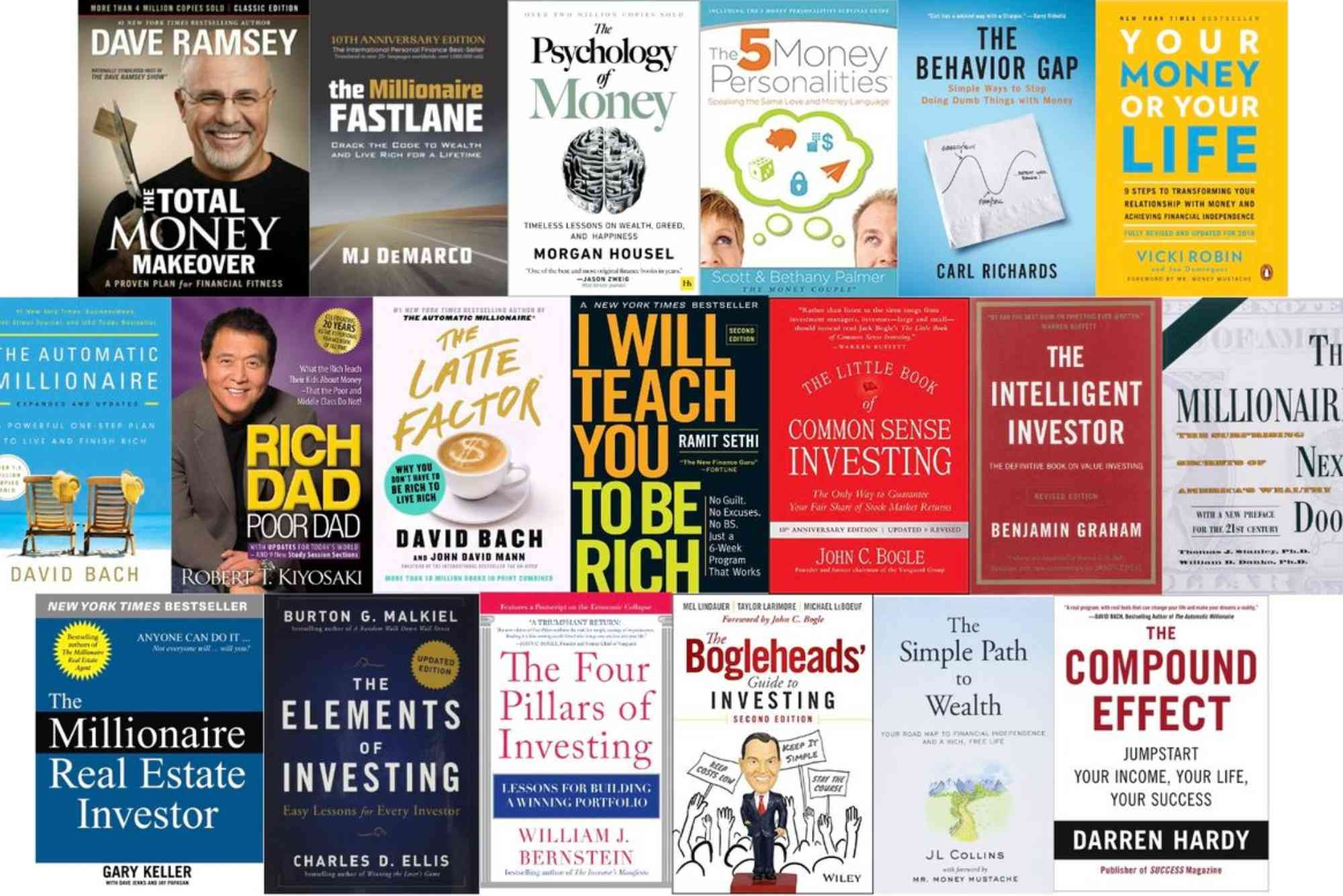
Rich Dad Poor Dad for Teens by Robert T. Kiyosaki
This classic adapts Kiyosaki’s financial wisdom for younger audiences. Teens learn:
- The difference between assets and liabilities
- How to make money work for them
- The importance of financial education beyond school
The Teen Investor by Emmanuel Modu and Andrea Walker
A perfect introduction to investing, this book covers:
- Basics of stocks, bonds, and mutual funds
- How to start investing with limited money
- Understanding risk and reward
I Want More Pizza by Steve Burkholder
A fun, engaging book for teens that teaches:
- Budgeting with relatable examples
- Managing allowances and part-time income
- Simple strategies for saving and investing
The Motley Fool Investment Guide for Teens by David Gardner
A practical guide to growing wealth over time, focusing on:
- Building a teen-friendly investment portfolio
- Understanding market basics
- Long-term financial planning
Smart Money Smart Kids by Dave Ramsey and Rachel Cruze
Written by a father-daughter duo, this book emphasizes:
- The value of earning, saving, and giving
- Creating a family financial plan
- Making money lessons fun and memorable
Money Matters for Teens by Larry Burkett
This book introduces personal finance fundamentals such as:
- Budgeting and expense tracking
- Understanding debt and credit
- Making informed spending decisions
The Richest Man in Babylon by George S. Clason
Though not teen-specific, this classic uses parables to teach:
- Saving a portion of every income
- Avoiding debt traps
- Building wealth through smart choices
Financial Peace Junior by Dave Ramsey
Designed for younger teens, this book emphasizes:
- The importance of delayed gratification
- Simple saving techniques
- Fun activities to reinforce financial skills
How Teens Can Apply What They Learn
Reading is just the start. Teens should actively apply lessons to build real-world experience.
Start a Budget
Track income from allowances or part-time jobs. Allocate money to saving, spending, and giving.
Open a Savings Account
Learning to save in a real bank account helps teens visualize growth and interest.
Explore Investments
Start with small amounts in teen-friendly investment accounts. Understand basic risk before scaling up.
Set Financial Goals
Short-term goals, like buying a gadget, and long-term goals, like saving for college, provide motivation.
Learn From Mistakes
Making small financial errors early teaches resilience and responsibility.
Benefits of Reading the Best Finance Books for Teens
Boost Confidence in Money Decisions
Knowledge reduces financial anxiety and empowers teens to make informed choices.
Promote Long-Term Financial Success
Early exposure to money management skills often leads to better financial habits as adults.
Encourage Entrepreneurship
Many books highlight the value of creativity, side hustles, and problem-solving for earning money.
Strengthen Critical Thinking
Teens learn to evaluate risks, compare options, and plan strategically.
FAQs About Finance Books for Teens
What age should teens start reading finance books?
Teens as young as 13 can benefit, especially with simplified books that focus on practical money skills.
Are these books suitable for beginners?
Yes. Most books are written with clear language, examples, and exercises for teen beginners.
Can reading finance books replace financial education in school?
No, but they complement school education, providing real-world applications and independent learning.
How can teens stay motivated to read about finance?
Choose engaging books with stories, relatable examples, and actionable steps. Peer discussions also help.
Should parents guide teens in reading finance books?
Yes. Parents can help discuss concepts, answer questions, and encourage application of lessons.
Reading the best finance books for teens is a powerful step toward financial independence. They provide practical tools, inspire smart habits, and prepare teens for adult financial challenges. By integrating these lessons with real-life practice, teens can grow into confident, financially savvy adults.
Encourage teens to pick a book today, start budgeting, and explore smart money strategies. Building financial literacy early sets the foundation for a lifetime of security and prosperity.