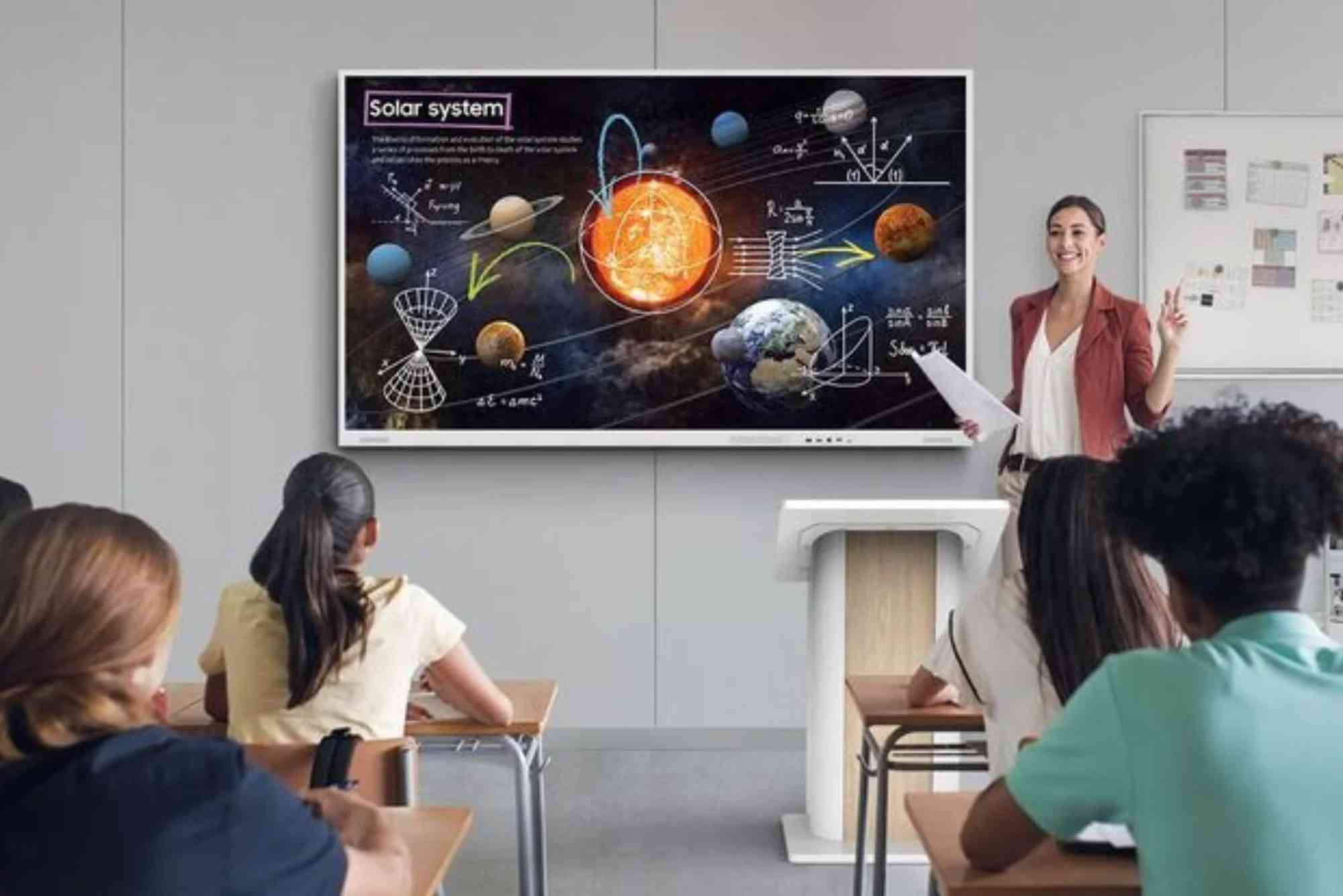
Best Interactive Panels for Education in 2025
In today’s rapidly evolving digital classroom, interactive panels for education are reshaping how teachers teach and students learn. These advanced display systems combine touch technology, multimedia integration, and collaboration tools to create a more engaging, hands-on learning environment. As we step into 2025, schools and universities are increasingly adopting interactive panels to enhance student participation, foster creativity, and support hybrid learning models. This guide explores the best interactive panels for education in 2025, their key features, benefits, and buying considerations to help educators make informed decisions.
Understanding Interactive Panels for Education
Interactive panels for education are large touchscreen displays that act as digital whiteboards. They enable teachers and students to write, draw, and interact with content using a stylus or finger touch. Unlike traditional projectors or whiteboards, these panels offer crisp visuals, built-in collaboration software, and seamless connectivity with devices such as tablets, laptops, and smartphones. They are powered by advanced operating systems and support interactive apps, video conferencing, and annotation tools, making them essential for modern classrooms.
Why Interactive Panels Are Essential in 2025
Education in 2025 is more dynamic than ever. Hybrid learning, digital assessments, and AI-driven lesson tools are now integral parts of the classroom. Interactive panels bridge the gap between physical and virtual learning. They allow teachers to create interactive lessons that students can participate in, whether they are present in class or learning remotely. Moreover, interactive panels help develop students’ digital literacy, critical thinking, and problem-solving skills, preparing them for a technology-driven world. Schools that adopt these systems report improved student engagement, better retention rates, and more effective collaboration during lessons.
Key Features to Look for in Interactive Panels
When selecting interactive panels for education, it’s important to consider features that support modern teaching needs. The display resolution should ideally be 4K or higher to ensure clear visuals, especially when displaying detailed diagrams or multimedia content. Multi-touch support allows multiple students to write or draw simultaneously, encouraging group participation. Built-in Android or Windows operating systems provide flexibility in using educational apps and software. Connectivity options such as HDMI, USB-C, Wi-Fi, and Bluetooth ensure compatibility with different devices. Additional features like anti-glare glass, robust sound systems, and wireless screen sharing add significant value to the overall learning experience.
Top Interactive Panels for Education in 2025
In 2025, several leading brands dominate the interactive education technology market with innovative and high-performing panels. Among them, SMART Technologies, Promethean, BenQ, ViewSonic, and Samsung stand out for their quality, durability, and user-friendly features. SMART Board MX series offers seamless collaboration tools and intuitive software designed for interactive learning. Promethean’s ActivPanel series provides impressive responsiveness, high-definition displays, and a wide range of built-in teaching resources. BenQ’s RP series focuses on eye-care technology and antimicrobial screens to ensure student safety. ViewSonic’s ViewBoard range emphasizes affordability and cloud integration, while Samsung’s Flip Pro brings sleek design and multi-device connectivity ideal for hybrid classrooms. Each of these panels has unique strengths suited for different teaching environments, from small classrooms to large lecture halls.
How Interactive Panels Enhance Classroom Learning
Interactive panels for education transform passive learning into an active experience. Teachers can use them to annotate over digital content, display videos, or conduct quizzes that students answer directly on the screen. This visual and tactile engagement makes lessons more memorable. For example, science teachers can show 3D models of molecules or ecosystems, while math instructors can solve equations interactively, making abstract concepts more concrete. Language teachers can integrate multimedia exercises, pronunciation tools, and live translations to enhance comprehension. Moreover, students become co-creators in the learning process, collaborating on shared screens and brainstorming ideas in real time. This level of interactivity boosts confidence, participation, and teamwork.

Integration with Modern Learning Tools
In 2025, most interactive panels integrate seamlessly with educational management systems, cloud storage platforms, and virtual learning environments like Google Classroom, Microsoft Teams, and Zoom. Teachers can upload lesson plans, share documents, and record sessions directly from the panel. Many panels support split-screen functionality, allowing multiple applications to run simultaneously—for example, displaying a video on one side while taking notes on the other. The integration with AI-driven tools, such as speech recognition and automated note-taking, further simplifies teaching workflows. This technology not only saves time but also ensures accessibility for students with diverse learning needs.
Benefits of Using Interactive Panels for Students and Teachers
The benefits of interactive panels for education extend to both students and educators. For students, they provide an immersive, interactive environment that encourages active participation. Visual learners benefit from multimedia presentations, while kinesthetic learners engage through touch-based interactions. Teachers enjoy the flexibility to create, edit, and share lesson materials effortlessly. They can assess student understanding through instant feedback tools and interactive quizzes. Moreover, the cloud-based nature of these panels means that teaching materials are always accessible, reducing reliance on printed notes. The collaborative design of these systems promotes peer-to-peer learning, encouraging students to communicate and solve problems together.
Future Trends in Interactive Panel Technology
As technology continues to evolve, interactive panels in 2025 are becoming smarter and more connected. Artificial intelligence is now being integrated to personalize learning experiences by tracking student performance and suggesting content accordingly. Panels are also incorporating advanced gesture recognition, allowing teachers to navigate lessons with simple hand motions. Augmented reality (AR) and virtual reality (VR) compatibility is another emerging feature, enabling immersive field trips and simulations directly from the classroom. Additionally, eco-friendly materials and energy-efficient displays reflect a growing focus on sustainability in educational technology. The future of interactive panels lies in creating seamless, inclusive, and intelligent learning spaces where every student can thrive.
Factors to Consider Before Purchasing an Interactive Panel
Before investing in interactive panels for education, schools and institutions should evaluate their specific needs. Screen size is an important consideration, depending on classroom size and viewing distance. Panels typically range from 65 to 86 inches. Durability and warranty are also essential, especially in high-usage environments. Software compatibility and ease of updates ensure long-term functionality. Schools should also assess teacher training and technical support availability to maximize usage. Cost is another critical factor—while high-end models offer premium features, many budget-friendly options provide solid performance for smaller institutions. Ultimately, the best panel is one that aligns with the school’s teaching goals, IT infrastructure, and budget constraints.
Challenges and Solutions in Implementing Interactive Panels
Despite their numerous advantages, some schools face challenges in implementing interactive panels. These include high upfront costs, technical maintenance, and resistance from teachers unfamiliar with digital tools. However, these obstacles can be overcome through proper planning and training. Many manufacturers now offer financing options and leasing plans to ease budget constraints. Training workshops and online tutorials help teachers gain confidence in using the panels effectively. Additionally, integrating the technology gradually—starting with a few classrooms—allows schools to adapt smoothly without overwhelming staff or students. Once adopted, the long-term benefits far outweigh the initial challenges.
Real-World Success Stories
Many educational institutions worldwide have already witnessed remarkable improvements after adopting interactive panels. For instance, schools in Finland and Singapore have reported higher student engagement levels and better collaborative outcomes. In the United States, several districts have used interactive panels to bridge learning gaps in remote education. Teachers find that lessons become more dynamic, and students retain information longer when they actively interact with the content. These success stories highlight how interactive technology is no longer just an optional upgrade—it’s a core component of 21st-century education.
FAQs
What is the difference between an interactive panel and a smart board?
An interactive panel is a large touchscreen display with built-in computing and software capabilities, offering superior brightness and resolution compared to older smart boards that relied on projectors.
Are interactive panels suitable for all grade levels?
Yes. They are highly adaptable and can be used for early education, K-12, and higher education settings, offering age-appropriate apps and interactive tools.
Do interactive panels require internet connectivity?
While many features can work offline, connecting to the internet enables cloud access, app updates, and online collaboration.
How long do interactive panels typically last?
High-quality interactive panels usually last between 7 and 10 years, depending on usage and maintenance.
Can interactive panels be used for remote learning?
Absolutely. Most modern panels integrate with video conferencing tools and allow remote students to view, annotate, and participate in lessons in real time.
Interactive panels for education are not just tools—they are catalysts for transformation in the modern classroom. By combining interactive displays, intelligent software, and collaborative functionality, they empower teachers to deliver engaging, personalized lessons while enabling students to become active learners. In 2025, as education continues to embrace digital transformation, investing in an interactive panel is one of the most impactful steps a school can take to enhance learning outcomes. Whether you are a teacher, administrator, or decision-maker, now is the time to explore how these innovative systems can elevate your educational environment.