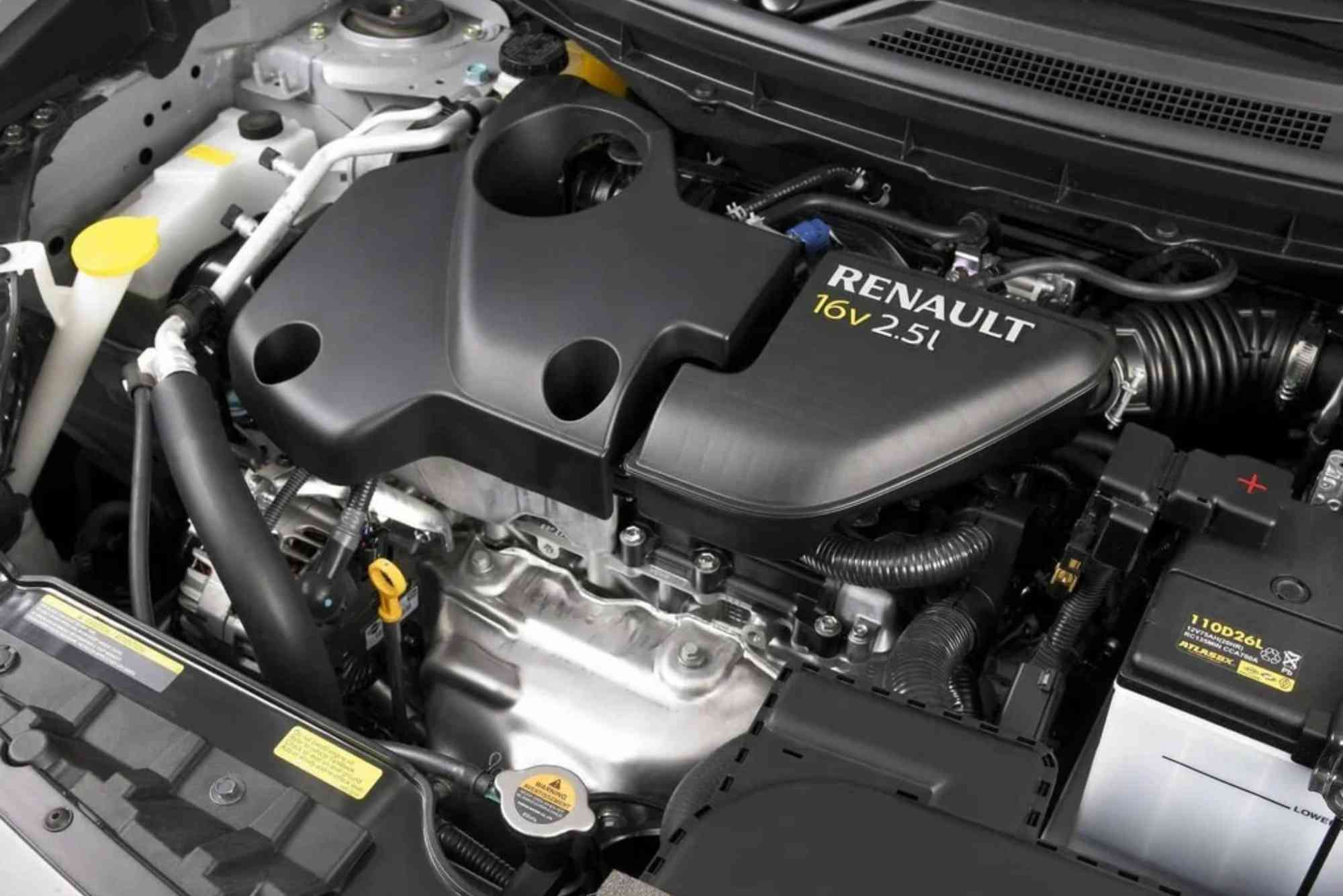
The Renault Koleos is a stylish and practical SUV, known for its comfort, technology, and French design. Yet, like many modern vehicles, it isn’t free from mechanical concerns, particularly under the bonnet. Many owners have reported Renault Koleos engine problems that range from minor inconveniences to more serious mechanical failures. Understanding these issues early can help you save money, time, and stress in the long run.
In this detailed guide, we’ll explore the most frequent Renault Koleos engine issues, their underlying causes, and the best ways to fix or prevent them. Whether you drive a first-generation Koleos or a newer model, this article will help you identify symptoms before they turn into expensive repairs.
Understanding the Renault Koleos Engine
The Renault Koleos has been offered with a range of petrol and diesel engines, including the popular 2.0 dCi diesel and the 2.5-litre petrol variant. Both options deliver solid performance, but each comes with its own set of challenges. Diesel versions, for instance, are prone to carbon buildup and DPF (Diesel Particulate Filter) issues, while the petrol engines may experience timing chain or sensor-related problems.
Although Renault’s engines are generally robust, real-world driving conditions, inconsistent maintenance, and certain design flaws can trigger recurring problems. Recognizing the warning signs early is key to avoiding a full-blown breakdown.
Common Renault Koleos Engine Problems
Engine Misfiring and Rough Idling
One of the most common Renault Koleos engine problems is rough idling or engine misfiring. Drivers often describe a jittery or uneven idle, particularly when the car is cold. This issue typically stems from worn spark plugs, faulty ignition coils, or fuel injector problems. On diesel variants, clogged injectors or air leaks in the intake manifold can also be to blame.
If left unchecked, misfiring can lead to poor fuel economy and damage to the catalytic converter. The solution often involves replacing the affected ignition components or cleaning the injectors. Regular use of high-quality fuel and scheduled maintenance can help prevent this issue.

DPF Blockage and Regeneration Issues
For diesel Koleos models, DPF-related problems are a recurring headache. The Diesel Particulate Filter traps soot particles to reduce emissions, but over time it can become clogged—especially for drivers who mainly use their car for short city trips. A blocked DPF can trigger warning lights, limp mode, or excessive fuel consumption.
The fix usually involves performing a forced DPF regeneration, where the system burns off the accumulated soot at high temperatures. In severe cases, the filter may need professional cleaning or replacement. Ensuring your Koleos has regular long drives at higher speeds helps maintain DPF health and avoids costly repairs.
Turbocharger Failure
Turbo issues are another major concern for diesel Koleos owners. A failing turbocharger can lead to loss of power, whistling noises, or smoke from the exhaust. The root causes often include oil starvation, poor lubrication, or debris entering the turbo system.
When the turbo is not properly maintained, oil sludge can build up, reducing efficiency and causing internal wear. The best preventive measure is consistent oil changes with the correct specification. If the turbo fails completely, it will likely need to be replaced, which can be expensive.
Timing Chain and Belt Problems
Timing chains and belts synchronize engine components, and their failure can cause catastrophic engine damage. Certain Koleos models, particularly those with high mileage, have been reported to experience chain rattling or belt degradation.
These symptoms often appear as a ticking noise from the engine bay or difficulty starting the vehicle. If the timing belt snaps or slips, it can result in bent valves or piston damage. It’s crucial to replace timing components according to Renault’s service schedule. Using genuine parts and professional fitting can prevent major repairs.
Overheating and Cooling System Leaks
Another frequent issue involves engine overheating, often linked to coolant leaks or thermostat failure. The Koleos cooling system relies on consistent coolant flow to regulate temperature, and any blockage or leak can quickly lead to overheating.
Typical signs include rising temperature gauges, coolant loss, or visible steam under the bonnet. The fix usually involves checking hoses, radiator connections, and the water pump. Replacing faulty seals or the thermostat often resolves the issue. Regular coolant flushes also ensure optimal performance.
EGR Valve Malfunction
The Exhaust Gas Recirculation (EGR) valve is designed to reduce emissions, but it can become clogged with carbon deposits over time. When this happens, the engine may idle roughly, stall, or display a check engine light. Diesel Koleos models are particularly susceptible to EGR issues because of soot buildup.
Cleaning the valve or replacing it altogether usually fixes the problem. Some mechanics also recommend using EGR-safe additives to minimize carbon deposits, especially for city drivers.
Sensor Failures and Electronic Glitches
Modern engines depend heavily on sensors and electronic control units. The Renault Koleos is no exception, and issues with the mass airflow (MAF) sensor, oxygen sensors, or crankshaft position sensor can cause poor performance and rough running.
A failing sensor can confuse the engine control unit (ECU), leading to incorrect air-fuel mixtures or starting difficulties. Diagnostic scans can pinpoint the faulty sensor, and replacements are typically straightforward. Regularly cleaning intake components helps maintain accurate sensor readings.
Oil Leaks and Consumption
Some Koleos owners report oil leaks from the valve cover gasket or oil filter housing. In other cases, excessive oil consumption occurs without visible leaks. Both conditions can result in engine damage if ignored.
Inspecting seals, gaskets, and the oil cooler regularly helps prevent this issue. Using the recommended oil grade and replacing it on time will also minimize internal wear.
Cold Start Problems
Cold start difficulties are another sign of underlying Renault Koleos engine problems, especially in colder climates. The issue may be caused by weak glow plugs in diesel engines or a failing starter motor in petrol variants.
Ensuring your battery and glow plugs are in good condition typically resolves this. Some drivers also find that using fuel system cleaners improves cold-weather performance.
Preventing Renault Koleos Engine Problems
The best way to avoid major engine repairs is through proactive maintenance. Regular oil changes, using quality fuels, and following Renault’s service schedule can significantly extend engine life. It’s also wise to listen for unusual noises, monitor warning lights, and address small issues before they grow.
Keeping software up to date is another often-overlooked aspect. Renault occasionally releases ECU updates that improve fuel efficiency or fix common issues, so checking with your dealership can be beneficial.
When to Seek Professional Help
If your Koleos shows persistent warning lights, excessive smoke, or unusual vibrations, it’s best to consult a qualified mechanic immediately. Ignoring such symptoms may cause irreversible damage. Renault-certified service centers have the right diagnostic tools and experience to identify issues specific to your engine type.
While some owners attempt DIY fixes, modern engines are complex systems that require precision. Always ensure you or your mechanic use genuine Renault parts to maintain performance and reliability.
Keep Your Renault Koleos Running Smoothly
While Renault Koleos engine problems can be frustrating, most issues are preventable with proper care and timely servicing. Understanding your vehicle’s unique needs and responding quickly to early warning signs will save you from costly repairs down the line.
If you notice any irregularities with your engine’s performance—whether it’s rough idling, warning lights, or loss of power—don’t delay. Get your Koleos inspected by a trusted Renault technician today to ensure your SUV continues to deliver the performance and comfort it was designed for.
Frequently Asked Questions
What are the most common Renault Koleos engine problems?
The most common issues include turbocharger failures, DPF blockages, timing chain wear, EGR valve clogging, and sensor malfunctions.
Why does my Renault Koleos lose power suddenly?
A sudden loss of power is often linked to turbo issues, clogged filters, or a failing fuel system. It can also occur if the car enters limp mode due to sensor faults.
How do I fix a DPF problem in my Renault Koleos?
A forced DPF regeneration or a professional clean can resolve the issue. To prevent future blockages, take your Koleos on regular long drives.
Is the Renault Koleos a reliable SUV overall?
Yes, the Koleos is generally reliable when maintained properly. Regular servicing and genuine parts replacement significantly improve long-term performance.
What should I do if my Renault Koleos engine light comes on?
If the check engine light appears, schedule a diagnostic check immediately. Ignoring it could lead to severe mechanical damage.