Top Decorative Fonts That Elevate Your Design Game
Typography is the silent hero of every great design. Whether you’re creating a poster, website, logo, or invitation, the right font can completely transform the mood and message of your project. Among the many categories of typefaces, decorative fonts stand out as the most expressive and visually striking. These fonts go beyond simple readability—they embody style, emotion, and creativity. If you’re looking to make your design more eye-catching, unique, and memorable, discovering the best decorative fonts is your first step toward design excellence.
Why Decorative Fonts Matter in Design
Decorative fonts are not just about beauty; they are powerful storytelling tools. A bold, vintage-inspired script can convey nostalgia, while a sleek futuristic font can communicate innovation. Every design element, from color to layout, plays a role, but typography carries the tone and character. That’s why choosing the best decorative fonts for your project can help you achieve both aesthetic and emotional impact.
A well-chosen decorative font draws attention, builds brand personality, and enhances visual hierarchy. It can make a logo iconic, a poster engaging, or a product label instantly recognizable. Whether you’re designing for digital media or print, decorative fonts can elevate even a simple composition into something memorable.
Understanding What Makes a Font “Decorative”
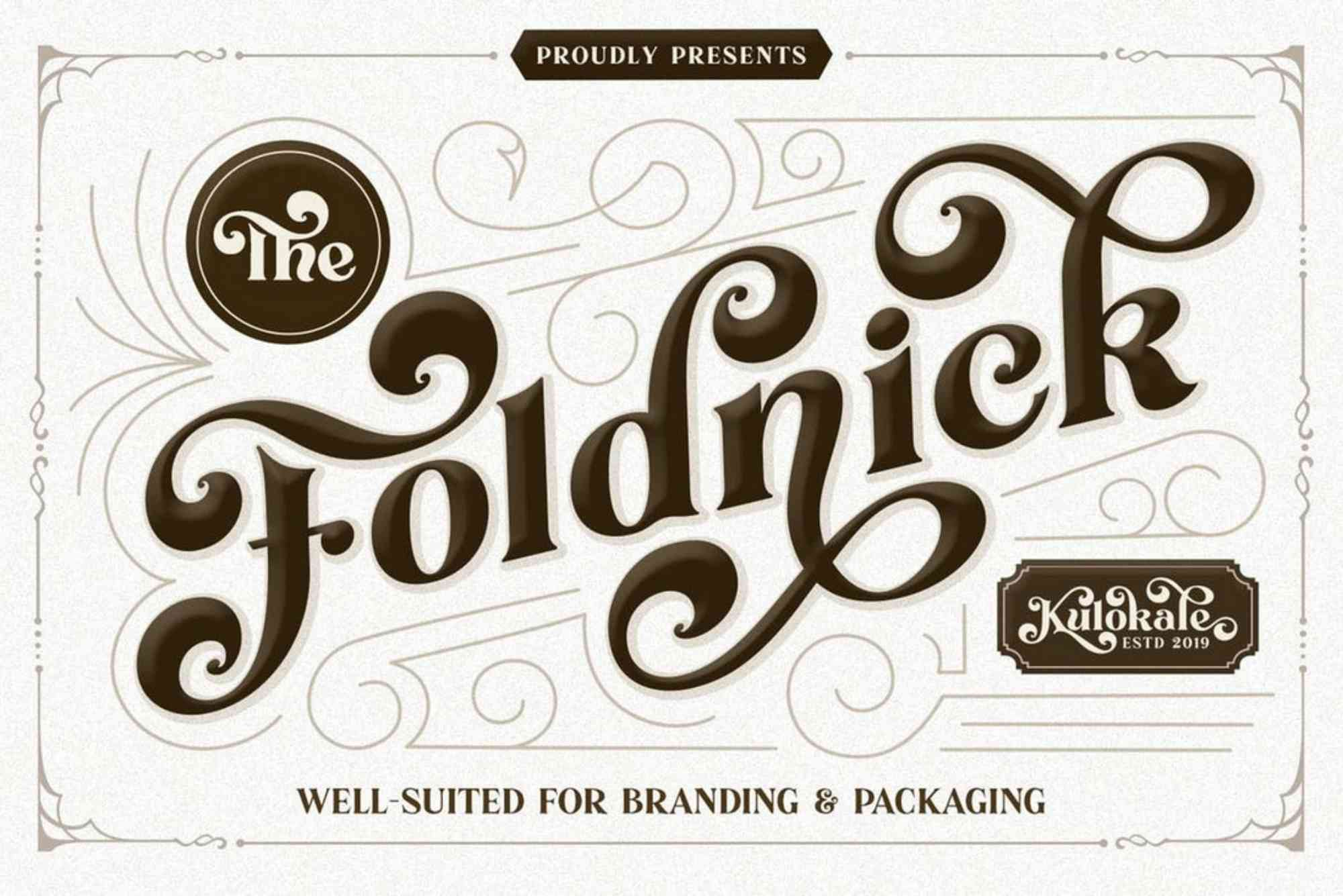
Decorative fonts differ from traditional serif or sans-serif styles because they are designed to stand out rather than blend in. They are often used for headings, titles, or branding—not body text—because their intricate shapes and artistic details can be visually intense. The best decorative fonts often have distinctive features such as flourishes, textures, or exaggerated strokes. They might be inspired by calligraphy, retro signage, graffiti, or futuristic themes.
In modern design, decorative fonts are especially popular in branding, packaging, posters, social media graphics, and event invitations. The key is to use them strategically—too many decorative elements can overwhelm your layout. A great designer knows how to balance expressive typography with white space and simplicity.
The Role of Decorative Fonts in Branding
When building a brand, typography is as important as your logo or color scheme. The best decorative fonts can become central to a brand’s identity. Think about Coca-Cola’s script or Disney’s whimsical typeface—both are decorative and instantly recognizable. Decorative fonts can communicate brand values, whether you want your image to be elegant, playful, modern, or vintage.

For example, a luxury perfume brand might use a delicate, cursive decorative font to communicate sophistication, while a gaming company might prefer a sharp, geometric decorative typeface to evoke excitement and energy. Fonts shape perception and create emotional resonance—making them an indispensable tool for effective branding.
Choosing the Best Decorative Fonts for Different Projects
The beauty of decorative fonts lies in their variety. There isn’t one universal style that works everywhere. Instead, the best decorative fonts depend on your project’s purpose and tone. When choosing, consider how the font aligns with your message, medium, and audience.
For Logo Design
Logos demand memorability and uniqueness. Decorative fonts can help create that distinctive edge. Look for custom or hand-lettered styles that reflect your brand’s personality. A minimalist brand might benefit from clean decorative fonts with subtle flourishes, while a retro-inspired business could use bold vintage lettering for a nostalgic feel.
For Posters and Event Flyers
Posters are meant to grab attention instantly, and decorative fonts excel in doing just that. Large headlines using expressive typefaces can capture the viewer’s curiosity within seconds. Whether it’s a music festival, art show, or charity event, the right decorative font ensures your message pops.
For Social Media and Digital Design
On social platforms, visuals are everything. Bold, decorative fonts can make your posts more shareable and engaging. They help communicate energy and creativity, especially in quote graphics, promotional ads, and stories. Just remember to maintain readability across mobile devices.
For Invitations and Print Materials
Wedding invitations, greeting cards, and brochures often rely on beautiful typography. Elegant scripts, handwritten decorative fonts, and classic vintage styles add warmth and personality to printed materials. In this context, decorative fonts bring emotion and intimacy to design.
Balancing Aesthetics and Readability
While decorative fonts are artistic, readability remains crucial. The most successful designs balance style with clarity. Overly complex typefaces may look appealing but can hinder communication if used excessively. The trick is to pair decorative fonts with simpler counterparts.
For instance, use a decorative font for your title or logo, and combine it with a clean sans-serif for body text. This contrast enhances both visual appeal and legibility. Many designers follow the “one decorative font per design” rule to maintain harmony and avoid clutter.
How to Use Decorative Fonts Effectively
Decorative fonts should enhance your design—not dominate it. Here are a few professional tips for using them strategically:
- Limit usage: Apply decorative fonts to headlines or focal points only.
- Pair wisely: Combine with neutral fonts for balance.
- Mind the spacing: Decorative fonts often have irregular spacing, so adjust kerning manually.
- Test readability: Ensure your text is clear on all screen sizes and print formats.
- Stay consistent: Use fonts that align with your brand tone and visual identity.
By following these practices, you can use decorative fonts to make your work more engaging without compromising clarity.
The Psychology Behind Decorative Typography
Fonts evoke emotions the same way colors do. A decorative font’s shape, curve, and flow can influence how viewers interpret your message. Rounded, script-like decorative fonts often feel friendly and elegant. Sharp, angular designs feel bold and powerful. Vintage or distressed fonts can trigger feelings of nostalgia or authenticity.
This emotional connection is what makes decorative fonts such powerful branding tools. When used intentionally, they help shape not only what your audience sees—but also how they feel.
Trends in Decorative Fonts
Typography evolves just like any design trend. Today’s best decorative fonts often blend classic inspirations with modern flair. Minimalist designers now favor geometric or line-art decorative fonts that feel futuristic yet clean. Meanwhile, retro fonts inspired by the ’70s and ’80s are making a strong comeback, adding personality and depth to visual storytelling.
Hand-drawn and brush-style decorative fonts are also gaining popularity as they bring authenticity and individuality to digital design. These organic styles make brands appear approachable and genuine. Additionally, 3D decorative fonts and layered typography are increasingly used in advertising and social media, creating dynamic, eye-catching visuals.
The Importance of Font Licensing and Ethics
When selecting decorative fonts, it’s vital to respect copyright and licensing agreements. Many fonts are free for personal use but require a commercial license for branding or marketing materials. Always read the license terms before using a font in a paid project. Supporting independent font designers not only ensures legality but also contributes to a thriving creative community.
How Decorative Fonts Influence First Impressions
Research shows that users form visual judgments in less than a second. Typography plays a major role in that instant impression. A decorative font can make your design feel luxurious, playful, mysterious, or innovative right away. This first impact determines whether viewers stay engaged or lose interest.
For businesses, that means a decorative font can help build trust and attraction at first glance. A well-chosen typeface not only makes your brand look professional but also creates emotional recognition over time.
Expert Tips for Designers
Professional designers know that typography is both art and science. When using decorative fonts, always test your design on multiple backgrounds and formats. What looks elegant on a computer screen might not print well on paper or appear legible on a smartphone. Always check scale, contrast, and alignment.
Moreover, stay updated on font trends by exploring reputable design resources like Adobe Fonts, Google Fonts, and Behance. Experiment with new styles, but keep a sense of restraint. The best decorative fonts elevate a design subtly, not loudly.
Elevate Your Designs with the Best Decorative Fonts
Typography can make or break your design. Decorative fonts, when chosen wisely, can inject personality, elegance, and creativity into any project. Whether you’re crafting a brand identity, a digital campaign, or an invitation, these expressive typefaces offer endless possibilities. The key is to maintain balance—let the decorative elements shine without overwhelming your message.
Ready to transform your next design? Explore the best decorative fonts today and give your visuals the sophistication and impact they deserve. Whether you’re a graphic designer, marketer, or small business owner, the right font can truly elevate your design game and set your work apart.
FAQs
What is a decorative font used for?
Decorative fonts are mainly used for titles, logos, posters, and branding to create a unique visual impact and express personality.
Can decorative fonts be used for body text?
Generally, no. Decorative fonts are designed for display purposes and can be hard to read in long paragraphs. They work best in headlines or short text.
Where can I find the best decorative fonts?
You can find them on platforms like Google Fonts, Adobe Fonts, and Creative Market, which offer both free and premium options.
What makes a font “decorative”?
A decorative font includes artistic or stylized features, such as ornate curves, textures, or thematic designs, that make it stand out visually.
How do I pair decorative fonts with other typefaces?
Pair a decorative font with a simple serif or sans-serif font to maintain balance and readability in your design.