Why Waterfall Tourism Is Booming in 2024
Waterfall tourism has emerged as one of the fastest-growing trends in global travel during 2024. Travelers around the world are increasingly seeking experiences that connect them with nature, and waterfalls have become the perfect symbol of that desire. From the mist of Iceland’s Gullfoss to the thunderous roar of Niagara, waterfalls offer a sensory experience that feels both powerful and peaceful. But what exactly is driving the rise of waterfall tourism, and why is it becoming a favorite for modern explorers? This article explores the phenomenon in depth — from environmental awareness and social media influence to eco-friendly travel trends and local economic benefits — to uncover why waterfall tourism is booming in 2024.
The Rising Popularity of Nature-Based Tourism
In the post-pandemic world, travelers are seeking more than just luxury; they want meaning, connection, and authenticity. Nature-based tourism, which includes hiking, ecotourism, and wildlife experiences, has gained massive attention. Among these, waterfall tourism stands out for its unique combination of beauty, adventure, and serenity. A visit to a waterfall allows people to experience raw natural energy while promoting mindfulness and relaxation. According to travel data platforms, destinations featuring waterfalls saw a significant surge in visitor numbers in 2023 and early 2024, signaling a strong and growing interest.
The Power of Reconnection with Nature
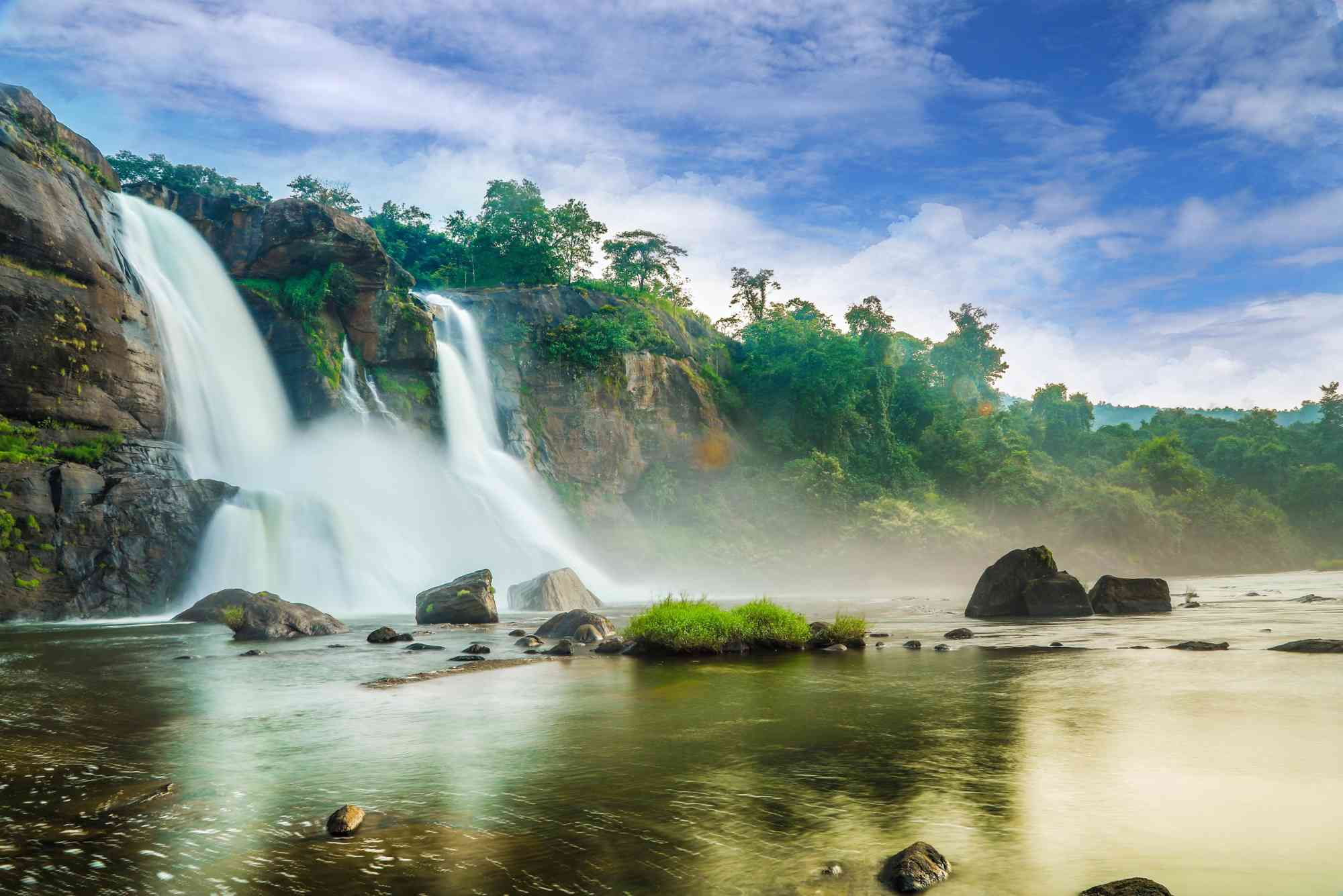
Waterfalls represent a powerful force of nature — constantly moving, reshaping landscapes, and providing habitats for diverse ecosystems. Tourists are increasingly seeking destinations that offer opportunities for reconnection with the natural world. The sensory appeal of waterfalls — the sound of rushing water, the cool mist, and the lush greenery — provides an immersive experience that urban life often lacks. As people spend more time on screens, the desire to unplug and experience natural beauty in its purest form becomes stronger.
Mindfulness and Wellness Travel
In 2024, wellness travel is another key factor fueling the rise of waterfall tourism. Many travelers are turning to destinations that promote relaxation, meditation, and mental clarity. Waterfalls are naturally associated with tranquility and healing. From yoga retreats near Bali’s Tegenungan Waterfall to mindfulness tours around Icelandic cascades, these experiences cater to wellness-focused travelers. Scientific research even suggests that the negative ions produced by waterfalls can improve mood and energy levels, making waterfall destinations ideal for wellness seekers.
The Role of Social Media and Digital Storytelling
Visual Appeal in the Age of Instagram
The visual power of waterfalls has made them viral stars in the age of social media. Photos and videos of cascading water, rainbows, and dramatic cliffs capture global attention instantly. Influencers, travel bloggers, and adventure photographers have helped transform lesser-known waterfalls into major tourist attractions. Platforms like Instagram, TikTok, and YouTube have played a massive role in spreading awareness and curiosity about these destinations. The hashtags #waterfalltourism and #chasingwaterfalls now feature millions of posts, inspiring travelers to explore new locations.
The Rise of “Chasing Waterfalls” Adventures
Beyond visual appeal, social media has sparked a new movement — “chasing waterfalls.” This trend encourages travelers to visit and document as many waterfalls as possible, often in remote and unspoiled regions. Tourists are no longer content with visiting one iconic site; they want to explore hidden gems, hike challenging trails, and immerse themselves in the wilderness. This adventure-driven attitude perfectly aligns with the broader growth of experiential tourism.
Sustainability and Eco-Tourism Initiatives
Environmentally Conscious Travel Choices
As climate change and environmental preservation gain more global focus, sustainable travel has become a top priority. Waterfall tourism, when managed responsibly, supports conservation and local communities. Eco-tourism operators are now offering guided tours that emphasize environmental education, local culture, and responsible exploration. Many national parks and conservation organizations have improved infrastructure to handle increased visitor traffic without harming natural ecosystems.
Supporting Local Communities
Waterfall tourism contributes significantly to the economies of local and rural areas. Villages near popular waterfalls benefit from tourism through homestays, local guides, craft markets, and food stalls. Governments and NGOs are increasingly investing in infrastructure that helps communities protect their environment while earning sustainable livelihoods. This balance of preservation and prosperity is a central theme in the 2024 tourism landscape.
Global Hotspots for Waterfall Tourism in 2024
Asia’s Hidden Waterfall Treasures
Asia has become a hotspot for waterfall tourism. In Thailand, the Erawan Waterfall in Kanchanaburi attracts eco-travelers with its seven tiers of emerald pools. In Indonesia, Bali’s Sekumpul and Tegenungan waterfalls combine spirituality and scenic beauty. India’s Dudhsagar Falls, cascading through the Western Ghats, continues to draw nature lovers and photographers alike. Even lesser-known destinations like Vietnam’s Ban Gioc and the Philippines’ Kawasan Falls are experiencing record tourist numbers.
Europe’s Enchanting Cascades
Europe’s waterfalls are gaining renewed attention thanks to sustainable travel initiatives. Iceland remains a leader with its iconic Gullfoss, Skógafoss, and Seljalandsfoss waterfalls, while Norway’s Vøringsfossen continues to awe visitors with its stunning drop amid mountain peaks. In Eastern Europe, Croatia’s Plitvice Lakes National Park showcases a network of waterfalls that feel almost otherworldly, attracting millions of tourists every year.
The Americas and Africa: Natural Powerhouses
In North and South America, famous sites like Niagara Falls, Iguazu Falls, and Angel Falls remain at the top of travel wish lists. However, eco-travelers are increasingly exploring smaller, lesser-known waterfalls in Costa Rica, Peru, and Mexico. In Africa, Victoria Falls continues to symbolize natural wonder, but countries like Uganda and Tanzania are developing new waterfall tourism circuits that highlight untouched beauty and cultural heritage.
Technology and Innovation in Waterfall Tourism
Smart Travel Planning
Advancements in travel technology have made it easier for tourists to discover and visit remote waterfalls. Apps and digital maps now provide detailed trail routes, weather updates, and safety information. Virtual tours and augmented reality (AR) experiences allow travelers to preview destinations before arrival, encouraging more informed and eco-friendly exploration.
Sustainable Infrastructure and Safety
The rise of waterfall tourism has also driven innovation in sustainable infrastructure. Wooden viewing decks, eco-friendly walkways, and solar-powered visitor centers have become common features. These improvements make waterfall sites more accessible while preserving their natural charm. Safety protocols, including trained guides and real-time monitoring systems, ensure that visitors can enjoy these wonders responsibly.
The Economic and Cultural Impact
Boosting Local Economies
Waterfall tourism generates significant revenue for local economies through entry fees, accommodations, transportation, and hospitality services. It also promotes entrepreneurship among locals who offer guided tours, photography services, and eco-friendly products. In many regions, waterfall tourism has become a lifeline for rural development and community empowerment.
Cultural Exchange and Heritage Preservation
Many waterfalls hold cultural and spiritual significance for indigenous communities. By promoting respectful tourism, travelers can learn about local traditions and stories connected to these natural wonders. This cultural exchange not only enriches the visitor experience but also helps preserve heritage that might otherwise fade in the modern world.
Challenges and the Path Forward
Despite its benefits, waterfall tourism faces challenges such as overcrowding, pollution, and habitat disruption. Managing visitor numbers and enforcing conservation policies remain essential to ensuring sustainability. Destinations must balance accessibility with preservation — offering opportunities for visitors while maintaining ecological integrity. Responsible tourism campaigns and traveler education are vital to keeping waterfall destinations pristine for future generations.
The Future of Waterfall Tourism
Looking ahead, waterfall tourism is set to evolve with a focus on sustainability, digital innovation, and immersive experiences. Travelers in 2024 and beyond will seek destinations that blend natural beauty with responsible adventure. Governments, tour operators, and environmental organizations must work together to promote eco-friendly tourism models. The goal is not only to experience waterfalls but to protect them as symbols of the planet’s vitality and resilience.
The Timeless Allure of Waterfall Tourism
The boom in waterfall tourism in 2024 is more than a passing trend — it reflects humanity’s enduring connection with nature and the growing movement toward mindful, sustainable travel. Waterfalls captivate the senses, inspire the soul, and remind us of the planet’s beauty and power. Whether standing before a roaring cascade or listening to the gentle flow of a forest stream, travelers rediscover their place within nature’s grand design. As we move forward, the challenge and opportunity lie in preserving these natural wonders for generations to come.
FAQs
What is waterfall tourism?
Waterfall tourism refers to travel focused on visiting waterfalls for recreation, adventure, or relaxation. It often includes hiking, photography, and eco-tourism activities.
Why is waterfall tourism becoming popular in 2024?
The rise in eco-conscious travel, social media influence, and a growing desire for nature-based experiences have made waterfall tourism one of the top global travel trends.
Which countries are best for waterfall tourism?
Top destinations include Iceland, Indonesia, Thailand, India, Croatia, the United States, Brazil, and Zimbabwe. Each offers unique waterfall experiences and cultural depth.
Is waterfall tourism sustainable?
Yes, when managed responsibly. Sustainable waterfall tourism involves conservation, local community participation, and minimal environmental impact.
How can travelers enjoy waterfalls responsibly?
Visitors should follow marked trails, avoid littering, respect local customs, and support eco-certified tour operators to ensure sustainable practices.