What Tourism Means in Arabic Culture
Tourism is a global concept, yet its meaning and expression vary across cultures. In the Arabic context, tourism goes beyond travel and leisure—it reflects a blend of history, hospitality, faith, and identity. Understanding the tourism meaning in Arabic involves exploring how Arab traditions, religion, and social values shape how people welcome visitors and how travel is perceived in everyday life. This article takes a deep look at the roots, evolution, and cultural significance of tourism in the Arab world, highlighting how it connects the past and present of a vibrant civilization.
The Linguistic and Cultural Meaning of Tourism in Arabic
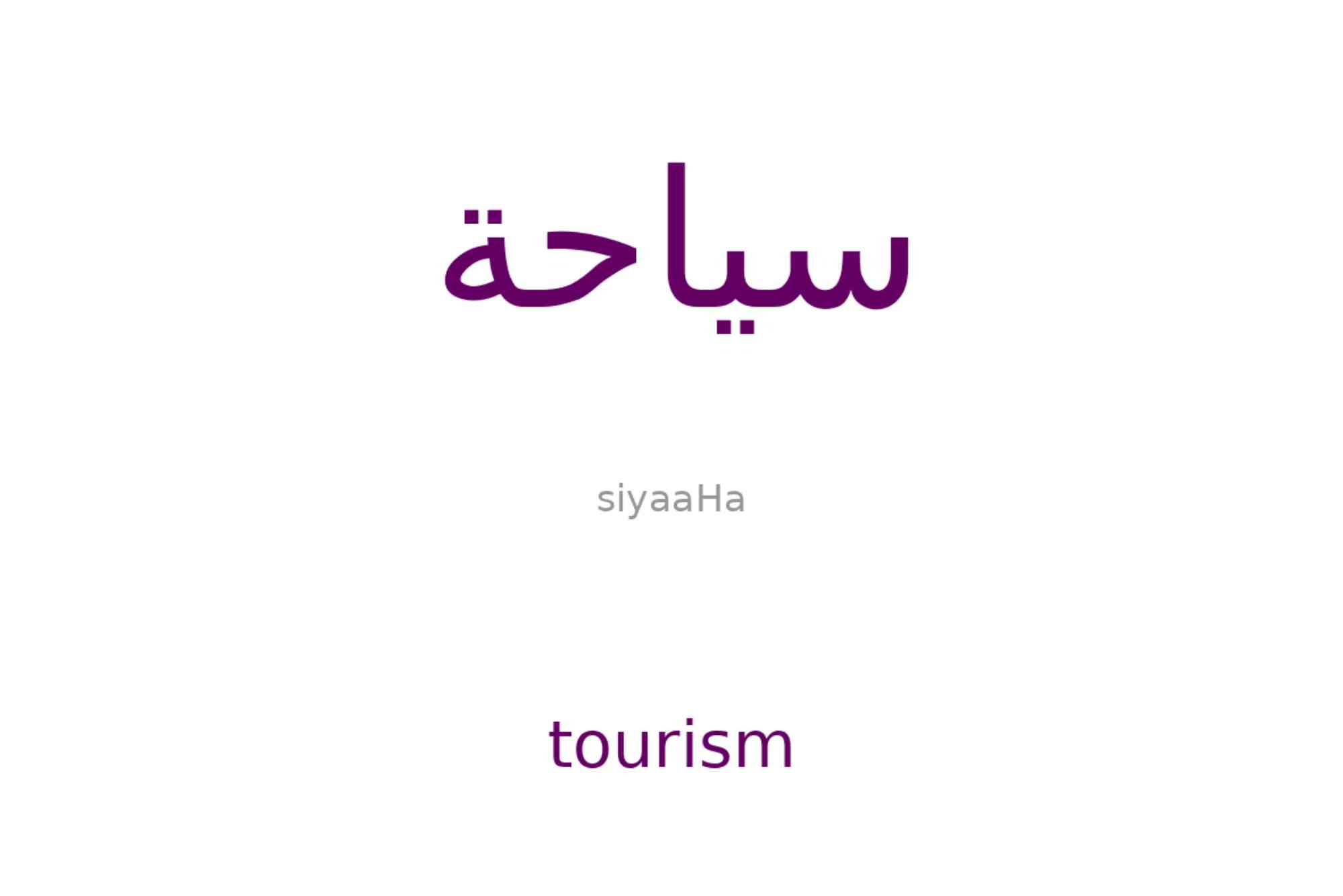
In Arabic, the word for tourism is “السياحة” (Al-Siyahah), derived from the root word “ساح” (Saaha), meaning “to travel,” “to move freely,” or “to wander.” However, in Arab culture, tourism meaning in Arabic extends far beyond physical movement. It embodies spiritual discovery, learning, and the pursuit of peace and knowledge. Historically, traveling was seen as a way to explore God’s creation, understand diverse peoples, and strengthen one’s faith.
The Quran itself references travel as a means of reflection and learning, urging believers to “travel through the earth” to witness the signs of creation. This spiritual aspect has always been central to how Arabs interpret tourism—not merely as recreation, but as a journey of the soul and mind. Thus, the Arabic understanding of tourism combines the joy of exploration with moral and intellectual growth.
Historical Roots of Tourism in Arab Civilization
The Arab world has a rich legacy of exploration and travel. Long before modern tourism emerged, Arabs were known for their vast journeys across deserts, seas, and continents. The caravans of ancient Arabia connected the East and West, carrying not just goods but also culture, knowledge, and faith.
The era of Islamic civilization further expanded this tradition. Pilgrimages (Hajj and Umrah) to Makkah were—and remain—the earliest and most significant forms of tourism in the Arab world. These spiritual journeys brought together millions of people, fostering intercultural exchange and economic activity.
Arab travelers like Ibn Battuta, one of history’s most famous explorers, represented the true essence of Arabic tourism—travel with purpose. His journeys across Africa, Asia, and Europe reflected curiosity, scholarship, and a quest for wisdom. This spirit of purposeful exploration remains embedded in Arab cultural values today.

Hospitality as the Core of Arabic Tourism
One cannot understand tourism meaning in Arabic without acknowledging the central role of hospitality. Known as “الضيافة” (Al-Diyafah), hospitality is deeply rooted in Arab culture and Islam. It’s not just a social custom but a moral duty. Guests are considered blessings, and hosts take pride in offering food, shelter, and comfort.
This tradition has shaped how tourism operates in Arab countries. Whether in the bustling souks of Morocco, the desert camps of Saudi Arabia, or the coastal resorts of Oman, visitors experience warmth and generosity that reflect centuries of cultural continuity. In modern tourism, this spirit translates into luxury hospitality services, from Arabic coffee rituals to personalized care for guests.
Religious Tourism and Its Influence
Religion plays a major role in defining the tourism meaning in Arabic. The Islamic concept of travel includes both physical and spiritual journeys. The most significant example is the pilgrimage to Makkah and Madinah, which attracts millions of Muslims annually from around the world.
Beyond pilgrimage, other forms of religious tourism have developed across the Arab region. People visit sacred sites such as Jerusalem’s Al-Aqsa Mosque, the shrines of prophets, and ancient mosques in Egypt, Syria, and Iraq. These journeys are not only acts of faith but also opportunities for cultural exchange and economic growth. Religious tourism remains one of the oldest and most sustainable forms of tourism in Arabic culture, blending spirituality with social and economic impact.
Cultural Tourism and Heritage Preservation
Arabic culture is known for its deep connection to history, art, and heritage. Cultural tourism in the Arab world reflects pride in this identity. From the Pyramids of Egypt to Petra in Jordan, from Andalusian architecture to Bedouin traditions, the Arab world offers an unmatched mosaic of experiences.
For Arab societies, tourism is a means to celebrate and preserve cultural identity. Many countries have invested in restoring historic sites, museums, and traditional crafts. The UAE, for example, combines futuristic cities with heritage villages that showcase Bedouin lifestyles. Similarly, Saudi Arabia’s Vision 2030 initiative promotes cultural destinations like AlUla and Diriyah, balancing modern development with heritage preservation.
Modern Evolution of Tourism in Arabic Countries
In modern times, the meaning of tourism in Arabic societies has expanded. While religious and cultural tourism remain strong, leisure, eco, and adventure tourism are rapidly growing sectors. Countries like the UAE, Qatar, and Saudi Arabia are positioning themselves as global tourism hubs, offering luxury, innovation, and sustainability.
However, what makes Arab tourism unique is how it integrates modernity with tradition. Visitors not only enjoy cutting-edge attractions like Dubai’s Burj Khalifa or Doha’s museums but also experience authentic Arabic customs—majlis gatherings, traditional cuisine, and desert safaris. This harmony of progress and heritage defines contemporary Arab tourism and keeps the cultural essence alive.
Social and Economic Importance of Tourism in Arab Culture
Tourism is more than a leisure industry—it’s a bridge between nations and cultures. In Arab countries, it contributes significantly to the economy by creating jobs, supporting small businesses, and promoting regional development. But beyond economics, tourism strengthens national pride and international understanding.
By welcoming people from diverse backgrounds, Arabs express the values of tolerance and hospitality that define their culture. Tourists, in turn, gain a deeper appreciation for Arabic traditions, art, and values. This exchange fosters peaceful coexistence and mutual respect among civilizations.
Language and Expression: How Arabic Shapes Tourism Identity
Language plays a major role in shaping the tourism meaning in Arabic. Arabic is not only a means of communication but a carrier of identity and emotion. The poetic expressions, greetings like “Ahlan wa Sahlan” (Welcome), and courteous manners reflect the cultural warmth inherent in the Arab world.
Tourism campaigns across Arabic nations often use poetic slogans and classical expressions that resonate with both locals and visitors. This linguistic richness creates emotional connections, making tourism experiences in Arab countries memorable and authentic.
Sustainable and Responsible Tourism in Arabic Context
In recent years, sustainability has become central to tourism globally. In the Arab world, it aligns naturally with traditional values of balance and respect for nature. Bedouin culture, for instance, teaches harmony with the environment—using resources wisely and living sustainably in harsh conditions.
Modern Arab nations are now adopting eco-friendly tourism practices, from protecting coral reefs in the Red Sea to promoting desert conservation. Initiatives in the UAE, Saudi Arabia, and Jordan focus on sustainable development that honors both people and nature. This reflects the evolving tourism meaning in Arabic—a journey that respects creation while ensuring future generations can enjoy it too.
Challenges and Opportunities in Arabic Tourism
While the Arab world holds immense potential, it also faces challenges such as geopolitical instability, cultural misconceptions, and climate concerns. Overcoming these requires collaborative efforts, strategic branding, and education.
At the same time, there are growing opportunities. The global fascination with Arabic culture, cuisine, and history opens doors for experiential tourism. Culinary tours, language learning trips, and cultural festivals are gaining popularity. By emphasizing authentic experiences, the Arab world can redefine global perceptions of tourism through its unique cultural lens.
The Essence of Tourism Meaning in Arabic
Ultimately, the tourism meaning in Arabic captures a worldview centered on connection—between people, nature, and faith. It is not limited to sightseeing but includes introspection, hospitality, and shared humanity. Whether a pilgrim, an adventurer, or a cultural explorer, every traveler in the Arab world becomes part of a story that spans centuries.
Arabic tourism is about the soul of travel—where journeys inspire reflection and where every guest becomes family. This timeless value continues to shape how the Arab world welcomes the modern traveler, blending tradition with innovation.
The Heart of Arabic Tourism
The tourism meaning in Arabic represents more than movement—it embodies faith, culture, and generosity. It’s an invitation to experience the world through the eyes of a civilization that values connection over consumption and respect over rush.
As Arab countries continue to open their doors to the world, they carry forward centuries of wisdom, offering travelers not just destinations, but stories, emotions, and unforgettable experiences. If you’re inspired by the beauty and depth of Arabic culture, consider exploring it firsthand. Visit an Arab country, immerse yourself in its traditions, and discover how tourism here is not just a journey—it’s a heartfelt exchange of culture, faith, and humanity.
FAQs
What is the Arabic word for tourism and what does it mean?
The Arabic word for tourism is “السياحة” (Al-Siyahah). It means travel or movement, but in Arab culture, it also represents discovery, hospitality, and learning.
How is tourism viewed in Arabic culture?
Tourism in Arabic culture is viewed as both a social and spiritual experience. It emphasizes hospitality, respect, and learning from diverse cultures, reflecting Islamic and traditional values.
What role does religion play in Arabic tourism?
Religion plays a major role. Pilgrimage to Makkah and Madinah is the most significant form of tourism, and many visitors also explore other historical and sacred sites across Arab countries.
Why is hospitality important in Arabic tourism?
Hospitality is central to Arabic identity. It reflects generosity and kindness, where welcoming guests is seen as both a cultural honor and a moral responsibility.
How is tourism evolving in Arab countries today?
Arab countries are modernizing their tourism industries by blending tradition with innovation. They promote cultural heritage, luxury travel, eco-tourism, and sustainable tourism as part of national development goals.