Tourism in Italy – Latest Statistics and Trends
Italy continues to hold its place as one of the world’s most desired travel destinations. With its breathtaking landscapes, rich culture, and historical landmarks, tourism in Italy remains a key pillar of the country’s economy. From the timeless allure of Rome to the romantic canals of Venice and the rolling hills of Tuscany, millions of tourists flock to Italy each year to experience its unique charm. In this comprehensive guide, we will explore the latest tourism in Italy statistics, current travel trends, and how the industry is evolving in 2025.
The Importance of Tourism in Italy
Tourism is one of Italy’s most vital industries, contributing significantly to its GDP and employment. The country’s unique blend of art, culture, cuisine, and history makes it a favorite destination for travelers worldwide. According to the World Tourism Organization, Italy consistently ranks among the top five most visited countries globally. This highlights not only its global appeal but also the strength of its tourism infrastructure and hospitality sector.
Tourism in Italy Statistics 2025 Overview
Recent data reveals that Italy welcomed approximately 67 million international tourists in 2024, marking a steady recovery from the pandemic years. Domestic tourism also showed significant growth, with Italian residents exploring their own regions more frequently. The tourism industry now contributes nearly 13% to Italy’s GDP, generating billions in revenue annually. In 2025, projections suggest that international arrivals will surpass pre-pandemic levels, reaching almost 70 million visitors.
The top source markets for tourists include Germany, the United States, France, and the United Kingdom. American tourists, in particular, have shown a strong interest in Italian heritage, art, and gastronomy. The average tourist spends around €150 per day, with accommodation and dining being the largest expenditures.
Major Travel Destinations in Italy
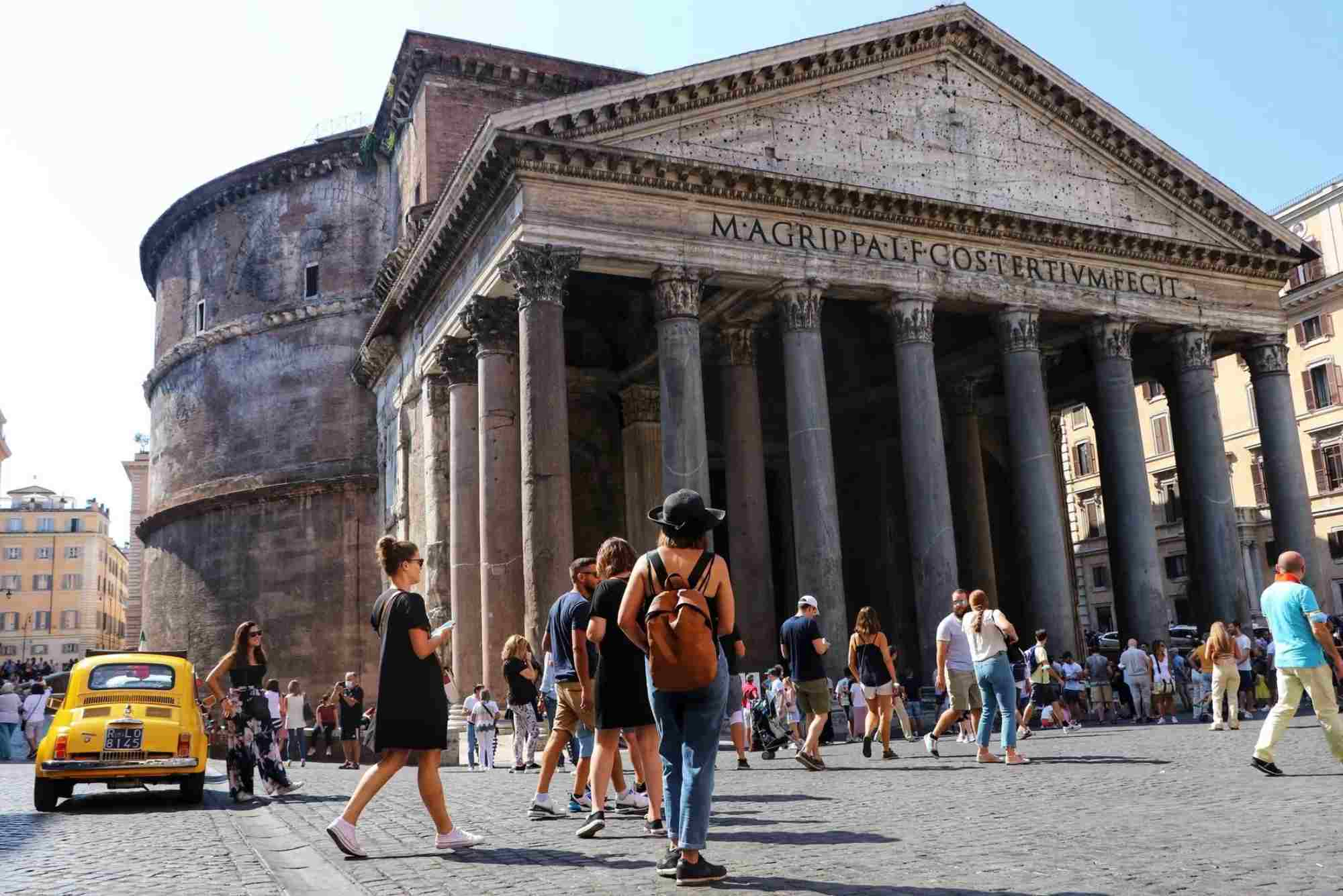
Italy offers an extraordinary range of destinations that cater to all types of travelers. Rome remains the most visited city, attracting history lovers to landmarks like the Colosseum, Roman Forum, and Vatican City. Florence draws art enthusiasts with its Renaissance masterpieces, while Venice captivates visitors with its waterways and romantic ambiance. The Amalfi Coast and Cinque Terre remain popular for scenic beauty and coastal charm, while Milan continues to be a hub for fashion and modern lifestyle.
In recent years, regions like Puglia, Sicily, and Sardinia have gained attention for their authentic Italian experiences, unspoiled beaches, and traditional cuisines. These emerging destinations are contributing to the diversification of Italian tourism, reducing pressure on over-touristed cities and promoting sustainable travel.

Tourism Trends Shaping Italy in 2025
Sustainable and Responsible Travel
A growing trend in tourism in Italy statistics is the shift toward sustainability. Travelers are becoming increasingly conscious of their environmental impact, choosing eco-friendly hotels, locally sourced food, and off-season visits to avoid overcrowding. Italian authorities have introduced several green initiatives, such as limiting cruise ship access to Venice and promoting electric mobility in historic centers.
Digital Transformation in Tourism
Technology is revolutionizing travel across Italy. From online booking platforms to digital museum tours and smart city initiatives, the integration of technology enhances the visitor experience. Many Italian cities now offer digital passes that combine public transport, museum access, and guided tours in one convenient system.
Rise of Experiential Tourism
Modern travelers seek more than just sightseeing—they desire authentic, immersive experiences. Culinary tours, wine tastings in Tuscany, and artisan workshops in Florence have become increasingly popular. This shift from passive to active tourism helps visitors connect more deeply with Italian culture while supporting local businesses.
Growth of Luxury and Wellness Tourism
Italy’s luxury tourism sector is thriving. Exclusive villas, boutique hotels, and wellness retreats are attracting high-income travelers seeking privacy and comfort. Spa destinations in the Dolomites and thermal resorts in Tuscany are seeing higher demand as travelers prioritize relaxation and wellbeing.
Economic Impact of Tourism in Italy
The economic influence of tourism extends far beyond hotels and restaurants. It supports transportation, retail, real estate, and cultural preservation sectors. In 2024, tourism generated over €130 billion in revenue and employed more than 3 million people across various industries. Regions such as Lombardy, Lazio, and Veneto lead in tourism income due to their iconic cities—Milan, Rome, and Venice.
Moreover, Italy’s culinary tourism, driven by the global popularity of Italian cuisine, plays a crucial economic role. Wine production, agritourism, and food festivals attract millions of visitors, creating a strong link between agriculture and tourism.
Post-Pandemic Recovery and Growth
After the disruptions caused by COVID-19, Italy’s tourism industry rebounded impressively. Government support programs and promotional campaigns like “Italia Open to You” helped restore confidence among travelers. By 2024, international arrivals had recovered to nearly 90% of 2019 levels, and in 2025, full recovery is expected. Airlines have expanded routes to Italian cities, and major hotel chains continue to invest in new properties, signaling optimism in the sector’s long-term growth.
Regional Tourism Insights
Northern Italy
The north remains a powerhouse for both domestic and international tourism. Milan leads with business travelers and fashion events, while Lake Como and the Dolomites attract luxury tourists. The region’s infrastructure and accessibility make it a favorite for short-term European visits.
Central Italy
Tuscany, Lazio, and Umbria dominate central Italy’s tourism landscape. Florence and Rome are cultural magnets, offering world-class art and architecture. Agritourism continues to grow, with many visitors choosing countryside stays that combine nature, food, and tradition.
Southern Italy and Islands
The southern regions, including Campania, Puglia, and Sicily, are gaining momentum thanks to improved connectivity and social media exposure. Tourists are discovering authentic local cultures, pristine beaches, and Mediterranean cuisine. Sardinia also remains a hotspot for beach tourism and luxury travel.
Tourism Challenges and Solutions
While tourism in Italy statistics show impressive growth, challenges remain. Over-tourism in major cities like Venice and Florence has raised concerns about sustainability and local quality of life. To address this, Italian authorities are promoting alternative destinations and introducing visitor management systems. Digital booking systems now control daily entry limits to popular landmarks, ensuring a balance between access and preservation.
Another challenge lies in the labor market, with seasonal staff shortages affecting hospitality operations. Training programs and incentives for young workers are being implemented to strengthen the tourism workforce. Additionally, investment in digital infrastructure aims to improve rural tourism accessibility and information flow.
Future Outlook for Tourism in Italy
The future of tourism in Italy looks bright. Analysts predict that by 2026, annual tourist arrivals will exceed 75 million, driven by a growing interest in sustainable and cultural travel. The integration of artificial intelligence in travel services, such as virtual guides and predictive itinerary planning, will further enhance the visitor experience. Moreover, Italy’s continuous efforts to protect its cultural heritage ensure that it remains a timeless destination for generations to come.
Discover Italy’s Timeless Allure
Tourism in Italy continues to flourish, blending history, art, and innovation to create an unforgettable experience for travelers. With the latest tourism in Italy statistics showing record growth, the country remains a beacon for global visitors seeking culture, cuisine, and beauty. As sustainability and digital innovation reshape the travel landscape, Italy stands ready to welcome the world with open arms. Plan your next journey to Italy today and experience firsthand why it remains one of the world’s most captivating destinations. Whether you’re exploring ancient ruins, tasting fine wines, or cruising along coastal towns, Italy promises memories that last a lifetime.
Frequently Asked Questions
What are the most recent tourism in Italy statistics?
As of 2025, Italy welcomes around 70 million international visitors annually, with tourism contributing about 13% to its GDP.
Which is the most visited city in Italy?
Rome remains the most visited city, attracting millions each year to its ancient landmarks, museums, and cultural sites.
What is driving the latest tourism trends in Italy?
Sustainable travel, digital innovation, and experiential tourism are the leading trends shaping Italy’s tourism industry in 2025.
Is tourism in Italy recovering after the pandemic?
Yes, Italy’s tourism industry has fully recovered, with international arrivals surpassing pre-pandemic figures and steady economic growth in 2025.
What is the best time to visit Italy?
Spring (April to June) and autumn (September to October) are ideal times to visit, offering pleasant weather and fewer crowds.