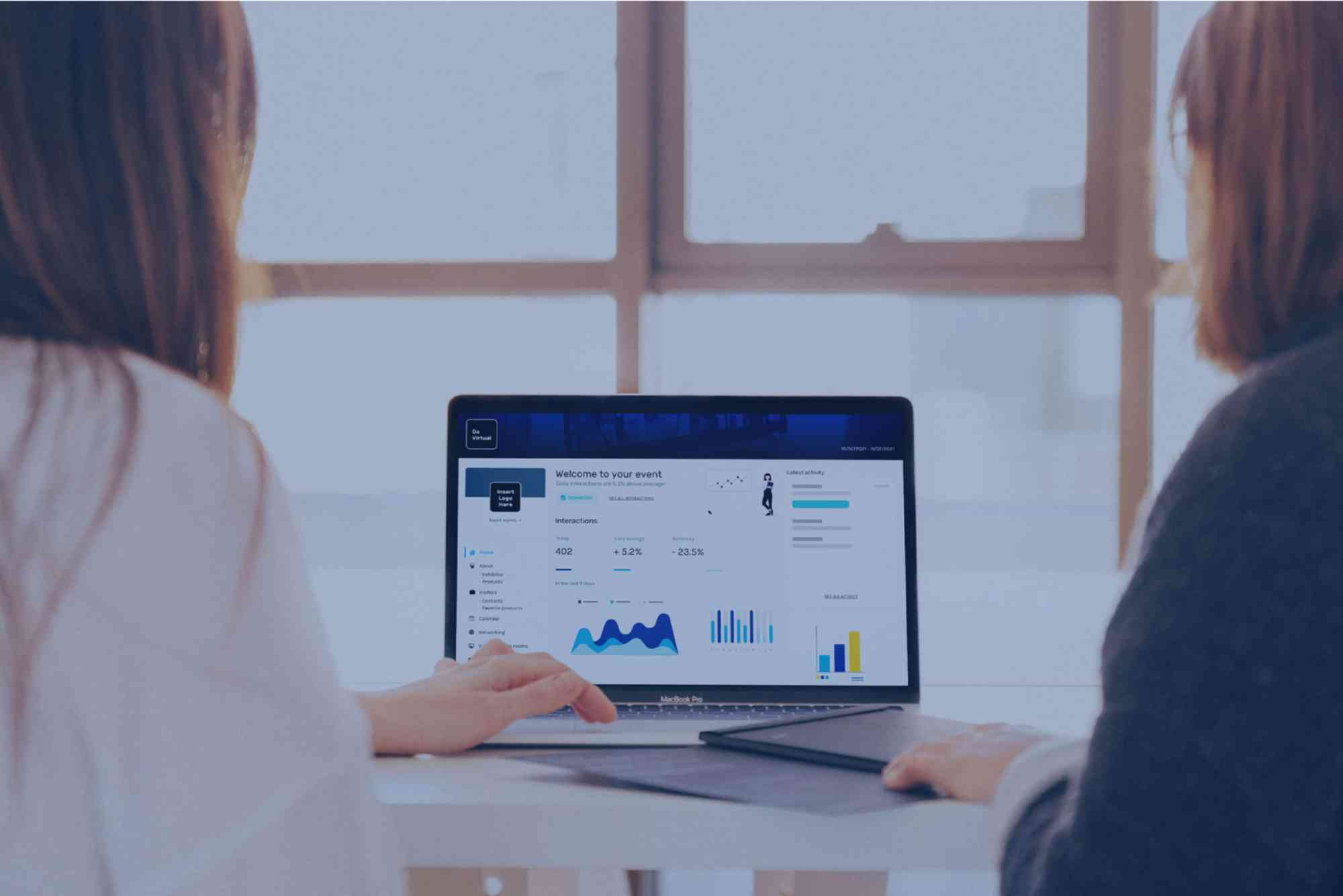
Top Event Tracking Software for Marketing and Analytics
Event tracking software has become one of the most essential tools for marketers and analysts. In today’s data-driven world, understanding user behavior, clicks, conversions, and interactions across digital platforms is crucial. Businesses no longer rely on assumptions — they rely on data. Event tracking software allows marketers to measure every touchpoint, revealing which campaigns, ads, and content truly drive engagement and revenue. Whether you manage a website, mobile app, or eCommerce store, choosing the right event tracking software can transform your marketing performance.
What Is Event Tracking Software?
Event tracking software is a tool that helps businesses monitor specific user interactions on websites, apps, and digital campaigns. These “events” can include button clicks, video plays, form submissions, downloads, or even scrolling behavior. Unlike basic analytics, event tracking provides detailed insights into how users engage with specific elements, enabling businesses to refine marketing strategies and improve conversion rates.
For example, if you run an online store, event tracking software can tell you how many users add products to their cart, how many abandon it, and what actions lead to successful purchases. This level of detail helps marketers understand customer intent and optimize the user experience accordingly.
Why Event Tracking Software Matters in Marketing and Analytics
Event tracking software plays a pivotal role in shaping successful marketing strategies. It helps businesses bridge the gap between marketing efforts and customer actions. Instead of just knowing how many visitors came to your website, you can understand what they did once they arrived. Did they click on a CTA button? Watch a promotional video? Subscribe to a newsletter?
Such insights empower marketers to identify bottlenecks, improve conversion funnels, and maximize ROI. For analytics teams, it provides concrete behavioral data that fuels predictive modeling, personalization, and automation efforts. In an era where customer journeys are complex and multi-touch, event tracking software ensures that every action is measurable, comparable, and actionable.
Key Features to Look for in Event Tracking Software
When selecting event tracking software, it’s essential to evaluate the features that align with your marketing goals. Here are the most important ones to consider:

Real-Time Data Collection
Real-time tracking allows marketers to view user behavior instantly. This helps adjust ongoing campaigns or troubleshoot performance issues without waiting for delayed reports.
Multi-Channel Tracking
Your audience interacts with your brand across multiple channels — web, mobile, email, and social. Multi-channel tracking ensures that every user touchpoint is captured and analyzed comprehensively.
Custom Event Creation
Good event tracking tools allow users to define their own events. You can create custom tracking for clicks, downloads, purchases, or any unique interactions relevant to your business.
Integration Capabilities
The best event tracking software integrates seamlessly with other marketing tools like CRMs, ad platforms, and automation systems. Integration enhances data accuracy and streamlines workflows.
Reporting and Visualization
An effective event tracking platform should offer intuitive dashboards and customizable reports. Data visualization helps marketers identify trends and present insights clearly to stakeholders.
Top Event Tracking Software for Marketing and Analytics
Let’s explore some of the best event tracking software options available today, suitable for both small businesses and enterprise-level organizations.
Google Analytics 4 (GA4)
Google Analytics 4 is one of the most popular event tracking tools globally. It provides advanced event-based tracking that helps marketers analyze cross-platform interactions in detail. Unlike Universal Analytics, GA4 focuses heavily on events rather than page views, offering deeper insights into user engagement.
It enables tracking of custom events like video plays, scrolls, form submissions, and purchases. Its integration with Google Ads and BigQuery allows seamless campaign performance analysis. Moreover, GA4 uses AI-driven insights to predict user actions and identify high-performing segments automatically.
Mixpanel
Mixpanel is another powerful event tracking software designed for product and marketing analytics. It helps companies understand how users interact with their digital products. Its event-based data model captures every interaction in real time, offering in-depth funnel and retention analysis.
Marketers love Mixpanel for its segmentation tools, which allow detailed breakdowns of user behavior by demographics, device, or activity. With intuitive dashboards and no need for complex setup, Mixpanel is ideal for businesses focusing on data-driven growth and user engagement optimization.
Amplitude
Amplitude is one of the most comprehensive analytics platforms specializing in product intelligence and event tracking. It provides behavioral analytics to help marketers understand what actions lead to conversions or churn.
Its advanced cohort analysis and journey mapping features make it invaluable for identifying customer trends. Amplitude’s “Behavioral Graph” enables a 360-degree view of the user journey, while its predictive analytics engine suggests optimal actions for higher retention.
Adobe Analytics
Adobe Analytics is a premium event tracking solution known for its enterprise-level capabilities. It combines real-time event tracking with AI-powered analysis to deliver actionable insights.
Its strength lies in data integration — it can combine online and offline data sources for a unified customer view. Adobe’s advanced segmentation and attribution modeling make it ideal for large organizations with complex marketing ecosystems.
Heap Analytics
Heap is an event tracking software that automatically captures every user interaction without manual tagging. It saves marketers and developers countless hours by collecting data from the moment of installation.
Heap’s “Autocapture” feature records clicks, swipes, and form submissions, giving teams immediate access to behavioral data. Its visual reports and easy-to-use interface make it suitable for non-technical marketers looking for quick insights.
Pendo
Pendo is primarily known as a product experience platform but also serves as an excellent event tracking solution. It helps businesses track in-app behavior and user journeys. Pendo’s strength lies in combining analytics with user feedback, offering a complete picture of product engagement.
Marketers and product teams use Pendo to monitor feature adoption, analyze user onboarding, and optimize engagement strategies. Its integration capabilities make it a flexible option for SaaS and app-based businesses.
Kissmetrics
Kissmetrics is designed specifically for marketers who want to measure customer behavior throughout the sales funnel. It tracks events, conversions, and lifetime value, helping teams understand which marketing activities drive revenue.
Unlike many general analytics tools, Kissmetrics focuses on people-based tracking. It ties events to individual users, making it easier to analyze customer journeys and repeat purchase behaviors.
How to Choose the Right Event Tracking Software
Selecting the best event tracking software depends on your organization’s size, goals, and technical capacity. Small businesses may prioritize simplicity and affordability, while enterprises might need scalability and advanced customization.
Here are some tips for making the right choice:
- Define your goals — know what metrics you need to track.
- Evaluate ease of integration with your current tools.
- Consider the learning curve — choose software your team can use effectively.
- Review data privacy and compliance features.
- Test multiple tools through free trials before committing.
Benefits of Using Event Tracking Software
Event tracking software offers multiple benefits beyond analytics. It helps marketers make informed decisions, reduce wasted ad spend, and personalize campaigns. Here are some of the major advantages:
- Better user understanding: You gain insights into what users do and why they do it.
- Conversion optimization: Identify drop-offs and optimize the user journey.
- Enhanced ROI: Focus on high-performing campaigns and eliminate inefficiencies.
- Personalized marketing: Use behavioral data to tailor messages for each segment.
- Data-driven decisions: Move from intuition to evidence-based marketing strategies.
Common Mistakes to Avoid When Using Event Tracking Software
While event tracking is powerful, many marketers fail to use it correctly. Avoid these common mistakes:
- Tracking too many irrelevant events that clutter your reports.
- Ignoring proper naming conventions for events.
- Not aligning event goals with overall marketing KPIs.
- Failing to validate or test event triggers before launching campaigns.
- Overlooking privacy compliance requirements like GDPR and CCPA.
Event tracking software is essential for any business that values data-driven marketing. It reveals the “why” behind user actions, helping marketers refine their strategies, optimize conversions, and improve customer experience. Whether you choose GA4, Mixpanel, or Adobe Analytics, the right tool will empower you with actionable insights that turn data into measurable growth.
If you haven’t implemented event tracking yet, now is the perfect time to start. The sooner you understand your audience’s behavior, the faster you can make smarter marketing decisions. Choose the event tracking software that aligns with your goals — and take your analytics and marketing performance to the next level.
FAQs
What is event tracking in digital marketing?
Event tracking in digital marketing refers to monitoring user interactions such as clicks, form submissions, and downloads. It helps marketers understand engagement and optimize campaigns.
Which is the best event tracking software for small businesses?
Mixpanel and Heap are great choices for small to medium-sized businesses because they offer user-friendly interfaces and automated tracking capabilities.
Can Google Analytics 4 track custom events?
Yes, Google Analytics 4 supports custom event creation. You can track specific interactions based on your business goals, such as button clicks or purchases.
How is event tracking different from pageview tracking?
Pageview tracking records visits to specific pages, while event tracking measures user interactions within those pages, offering deeper insights into engagement.
Is event tracking software expensive?
Pricing varies widely. Many tools like GA4 are free, while advanced solutions like Amplitude and Adobe Analytics offer enterprise-level plans at higher costs.