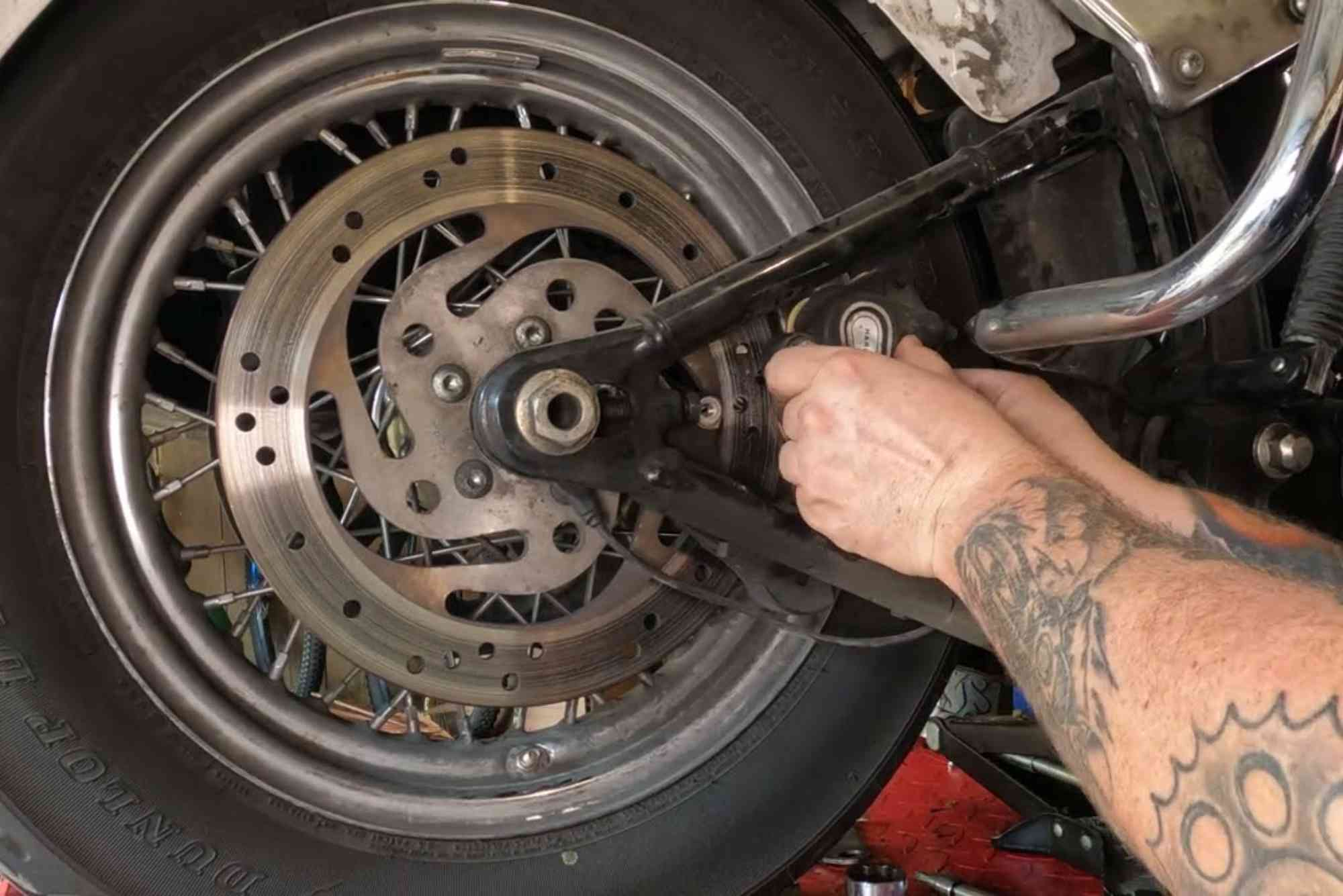
Harley Rear Brake: Maintenance Tips for a Smooth Ride
Riding a Harley-Davidson motorcycle is an experience unlike any other—the roar of the engine, the freedom of the open road, and the feeling of control beneath you. But none of that matters if your Harley rear brake isn’t performing properly. The rear brake is crucial for your bike’s balance, stopping power, and overall safety. Proper maintenance not only ensures smooth rides but also extends the lifespan of your braking system. In this guide, we’ll explore everything you need to know about Harley rear brake care, from basic inspections to expert maintenance tips.
Understanding the Importance of the Harley Rear Brake
Your Harley’s braking system consists of both the front and rear brakes, each serving a distinct purpose. The front brake delivers most of the stopping power, but the rear brake plays an equally vital role in maintaining stability during braking. On a heavy motorcycle like a Harley, the rear brake contributes to balance, traction, and smooth deceleration. Neglecting it can lead to uneven braking, longer stopping distances, and potential safety risks. Regular maintenance ensures consistent brake response, prevents damage to rotors, and keeps your bike performing at its best.
Signs Your Harley Rear Brake Needs Attention
Even with Harley’s engineering precision, rear brakes experience wear and tear. Identifying issues early can save you costly repairs later. Common warning signs include:
- A spongy or soft brake pedal feel
- Grinding or squealing noises during braking
- Brake fluid leaks near the rear caliper
- Reduced stopping power or delayed braking response
- Vibration or pulsing from the rear wheel when applying brakes
If you notice any of these symptoms, it’s time to inspect your Harley rear brake system immediately.
Essential Maintenance Tips for Your Harley Rear Brake
Maintaining your Harley’s rear brake doesn’t always require professional tools or a workshop. With basic mechanical knowledge and consistent care, you can keep your brakes in top condition.
Regular Visual Inspections
Start by visually checking the rear brake components every few rides. Look for uneven wear on the brake pads, fluid leaks, or rust on the rotors. If the pads appear thin—typically less than 2mm—it’s time to replace them. Inspect the rotor surface for grooves or discoloration, which indicate overheating or improper pad contact.
Keep Brake Fluid Fresh
Brake fluid plays a vital role in hydraulic brake performance. Over time, it absorbs moisture, reducing efficiency and causing corrosion. Harley-Davidson recommends changing brake fluid every two years. Always use the correct fluid type—usually DOT 4—for your model. When refilling, ensure there are no air bubbles in the system, as they can cause a spongy pedal feel.

Clean the Brake Components
Dirt, dust, and road debris can accumulate around your rear caliper and pads, affecting performance. Clean the brake assembly regularly with a motorcycle-safe brake cleaner. Avoid getting lubricant on the brake pads or rotors—this can severely reduce braking friction. After cleaning, check that the caliper slides freely and that all bolts are tightened to the manufacturer’s specifications.
Replace Worn Brake Pads
Brake pads naturally wear down with use. If you hear a metallic squeal or feel reduced braking power, it’s time for replacement. Use OEM or high-quality aftermarket pads compatible with your Harley model. When replacing pads, inspect the rotor for damage and replace it if it’s below the minimum thickness limit specified in your owner’s manual.
Check the Brake Lines
The hydraulic lines carry brake fluid from the master cylinder to the caliper. Over time, they can crack or develop leaks. Regularly inspect the rubber or steel braided lines for damage or corrosion. Replacing old brake lines not only enhances safety but also improves brake response and pedal firmness.
Test the Brake Pedal Feel
A responsive brake pedal indicates proper hydraulic pressure and pad contact. If your Harley rear brake pedal feels spongy or sinks too far, you may have air in the system or a failing master cylinder. Bleeding the brakes removes trapped air and restores firmness. If the problem persists, have a professional inspect the master cylinder for internal leaks.
Maintain Proper Rotor Condition
Your Harley’s brake rotors endure high friction and heat. Ensure they remain smooth and true by checking for warping or deep grooves. Minor surface scratches are normal, but excessive wear can reduce braking performance. Always torque rotor bolts correctly and replace rotors that fall below thickness limits.
Avoid Riding with Constant Brake Pressure
Some riders unknowingly rest their foot on the brake pedal while cruising. This causes premature pad wear and overheating. Develop the habit of keeping your foot off the pedal unless braking intentionally. Overheating can glaze the pads and rotors, leading to reduced effectiveness and vibration.
Store Your Harley Correctly
If your Harley remains unused for long periods, moisture and rust can affect the braking system. Store your motorcycle in a dry place, ideally with a cover. Before riding again, inspect and test the rear brake to ensure it functions properly.
Common Harley Rear Brake Problems and Fixes
Even with proper maintenance, issues may still arise. Understanding common problems helps you address them promptly.
Rear Brake Locking Up
A sticking caliper piston or contaminated brake fluid can cause the rear brake to lock. Clean and rebuild the caliper if necessary, and replace the brake fluid. Also, check the return spring and ensure the pedal isn’t sticking.
Brake Fade During Long Rides
Overheating during prolonged braking can cause brake fade—a loss of stopping power. Allow your brakes to cool before continuing, and avoid excessive use on long downhill stretches. Consider upgrading to performance pads and rotors if you frequently ride in demanding conditions.
Rear Brake Light Stays On
If the brake light remains on after releasing the pedal, the switch may be misaligned or stuck. Adjust the brake light switch so it activates only when the pedal is pressed. This simple fix prevents battery drain and confusion for riders behind you.
Unusual Noise When Braking
Squealing or grinding sounds often mean worn pads or debris between the pad and rotor. Clean the area thoroughly and replace the pads if they are near the wear limit.
Expert Tips to Extend Brake Life
To get the most out of your Harley rear brake system, practice mindful riding habits. Use both brakes together for balanced stopping, as relying solely on the rear can cause excessive wear. Avoid abrupt braking unless necessary, and maintain a moderate speed on rough terrain to reduce strain on the brake components. Additionally, follow your Harley’s service schedule for professional inspections, especially before long trips. Regular care not only prevents failure but also enhances your riding confidence and comfort.
Why Professional Maintenance Matters
While many maintenance tasks are simple, some repairs—like bleeding brakes or replacing rotors—require specialized tools. Certified Harley-Davidson technicians can accurately diagnose issues, check fluid pressure, and ensure proper torque settings. Periodic professional service ensures your rear brake system remains in peak condition and keeps your motorcycle road-ready at all times.
The Harley rear brake is more than just a stopping mechanism—it’s a key component of your motorcycle’s safety, control, and performance. Regular maintenance, timely inspections, and mindful riding habits ensure a smoother, safer journey every time you hit the road. Whether you’re a weekend cruiser or a long-distance rider, giving attention to your rear brake pays off in longevity and reliability. Keep your Harley running at its best—start with your brakes. Schedule a professional inspection today or perform your own maintenance using these expert tips. A well-maintained Harley rear brake guarantees not only smoother rides but also peace of mind on every mile ahead.
Frequently Asked Questions
Why is my Harley rear brake not working properly?
This usually happens due to low brake fluid, air in the hydraulic system, or worn brake pads. Start by checking fluid levels and inspect for leaks. If the problem continues, have the system bled by a professional.
How often should I change my Harley re3ar brake pads?
Typically, brake pads should be replaced every 10,000 to 15,000 miles, but riding style, terrain, and brake usage can affect this. Regular inspections help determine the right replacement time.
What brake fluid does Harley-Davidson use?
Most modern Harley models use DOT 4 brake fluid. Always confirm your model’s specification in the owner’s manual before refilling.
Can I replace Harley rear brake pads myself?
Yes, if you’re mechanically confident and have the correct tools. However, improper installation can compromise safety. Follow the manufacturer’s instructions or seek professional help if unsure.
How do I know if my rear brake rotor is bad?
A vibrating pedal, visible grooves, or squealing sounds indicate a worn or warped rotor. Measure its thickness; if it’s below the minimum limit, replace it immediately.