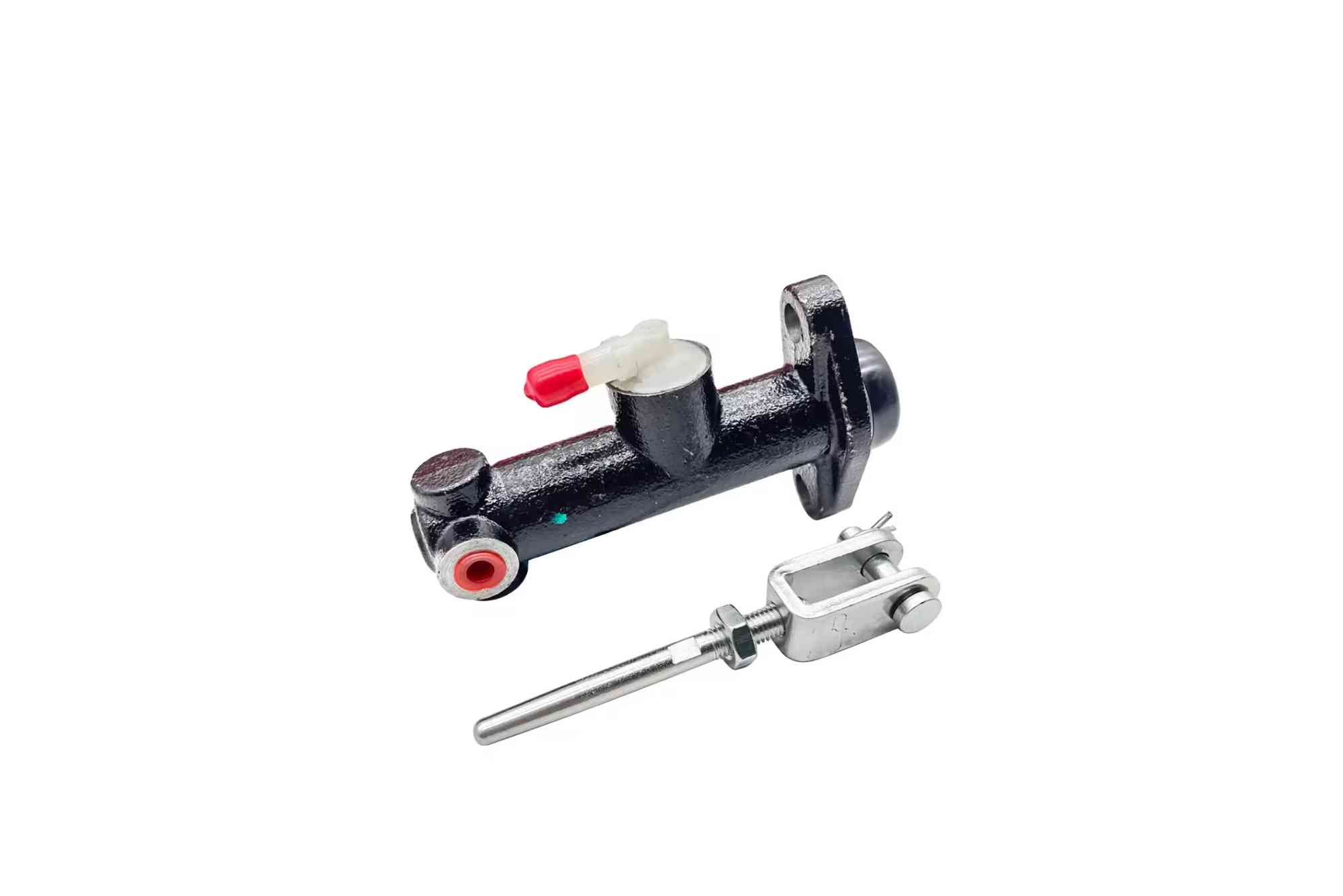
Hyster Forklift Brake Parts: A Guide to Keeping Your Forklift Safe
When it comes to operating a forklift, safety is always the top priority. Among the most crucial components of any forklift are its brakes — and when we talk about reliable braking systems, Hyster forklift brake parts stand out for their durability, precision, and performance. Hyster is a globally recognized brand known for manufacturing heavy-duty forklifts that can handle the toughest industrial environments. However, even the most robust forklifts depend on well-maintained brake systems to ensure safety and efficiency. In this guide, we’ll explore everything you need to know about Hyster forklift brake parts, how they work, why regular maintenance is vital, and how to identify signs of wear before they become serious safety hazards.
Understanding Hyster Forklift Brake Systems
Hyster forklifts use advanced braking systems designed to provide reliable stopping power under heavy loads. The type of brake system used depends on the forklift model and its intended application. Most Hyster forklifts are equipped with hydraulic, drum, or wet disc brakes. Each system operates differently but serves the same purpose: to safely stop the machine in a controlled and efficient manner.
Hydraulic Brake Systems
Hydraulic brakes in Hyster forklifts function by transferring pressure through brake fluid from the pedal to the brake shoes or pads. This design ensures smooth and consistent braking power. Hydraulic systems are favored for their responsiveness and ease of control, making them ideal for warehouse and indoor applications.
Wet Disc Brakes
Wet disc brakes are often found in heavy-duty Hyster forklifts designed for demanding environments like ports, construction sites, or lumber yards. These brakes are enclosed in oil, which reduces wear and tear while maintaining consistent performance even in wet or dusty conditions. Their sealed design also minimizes maintenance needs and extends component life.
Drum Brakes
Some older or smaller Hyster models use traditional drum brakes. These brakes rely on shoes pressing outward against a rotating drum to create friction. While they require more frequent maintenance than wet disc systems, they remain reliable when properly serviced.
Importance of Quality Hyster Forklift Brake Parts
Using genuine Hyster forklift brake parts ensures that your braking system performs safely and effectively. Authentic parts are engineered to meet the brand’s exact standards, guaranteeing compatibility, strength, and durability. Substandard or counterfeit parts may appear cheaper initially, but they can lead to increased downtime, higher maintenance costs, and serious safety risks.

Enhanced Safety
Brakes are the last line of defense in preventing accidents. When Hyster forklift brake parts are maintained in top condition, they provide predictable stopping distances and prevent unexpected malfunctions. In busy industrial settings, this reliability protects not only operators but also nearby workers and valuable inventory.
Extended Equipment Life
Quality brake components reduce wear on other parts of the forklift. For instance, well-maintained brake pads and rotors prevent strain on the transmission and tires. This translates to longer equipment life and reduced overall maintenance expenses.
Optimal Performance and Efficiency
When your forklift’s brake system operates at peak performance, it enhances productivity. Operators can confidently maneuver loads without fear of delayed stops or brake fade, which improves workflow efficiency and reduces operational stress.
Key Components of Hyster Forklift Brake Systems
Understanding the key parts of your forklift’s brake system helps you maintain it effectively. Common Hyster forklift brake parts include brake shoes, brake drums, master cylinders, wheel cylinders, calipers, brake pads, rotors, seals, and hydraulic fluid lines.
Brake Shoes and Pads
These components create the friction necessary to stop the forklift. Over time, they wear down and must be replaced to ensure consistent braking performance. Using genuine Hyster brake pads ensures even wear and longer lifespan.
Brake Drums and Rotors
Drums and rotors are the surfaces that the brake shoes or pads press against. Damaged or warped drums can cause uneven braking, vibrations, or squealing noises. Regular inspections help catch these issues early.
Master and Wheel Cylinders
The master cylinder distributes hydraulic pressure to the wheel cylinders, which then push the brake shoes against the drum. Any leaks or damage in these components can lead to reduced braking efficiency and safety risks.
Brake Fluid and Lines
Hydraulic brake systems depend on brake fluid to transfer force from the pedal to the brakes. Contaminated or low fluid levels can cause brake failure, so fluid should be checked regularly and replaced according to the manufacturer’s recommendations.
Signs Your Hyster Forklift Brake Parts Need Replacement
Recognizing early warning signs of brake wear can prevent accidents and expensive repairs. Common symptoms include squealing or grinding noises when braking, longer stopping distances, spongy brake pedals, or visible fluid leaks. Vibrations or pulling to one side while braking also indicate potential issues. Any of these signs mean it’s time to inspect and possibly replace worn Hyster forklift brake parts.
Unusual Noises
Squeaks or grinding sounds often signal worn-out brake pads or shoes. Ignoring these noises can lead to damage to the drums or rotors.
Reduced Responsiveness
If your forklift takes longer to stop or the pedal feels soft, it could indicate air in the hydraulic lines or worn brake components. Immediate inspection is necessary to ensure safety.
Fluid Leaks
Hydraulic leaks around the wheels or under the forklift mean that your brake system is losing pressure. Continuing operation under these conditions is dangerous and can cause total brake failure.
Maintenance Tips for Hyster Forklift Brake Parts
Maintaining your Hyster forklift’s braking system doesn’t just ensure safety — it also improves efficiency and minimizes downtime. Here are expert maintenance tips to help extend the life of your brake components.
Regular Inspections
Perform a visual inspection of the brake system at least once a month. Look for leaks, cracks, and uneven wear. Checking fluid levels and brake pad thickness helps detect problems early.
Clean and Lubricate Components
Dust and debris can build up around the brake system, leading to wear and corrosion. Cleaning and lubricating components according to the manufacturer’s guidelines keeps the system working smoothly.
Replace Worn Parts Promptly
Delaying replacement of worn Hyster forklift brake parts can cause damage to related components. Always use genuine parts for replacements to ensure proper fit and performance.
Train Operators on Proper Usage
Forklift operators play a major role in brake longevity. Training them to use brakes correctly — such as avoiding abrupt stops or riding the brakes — helps prevent unnecessary wear.
Benefits of Using Genuine Hyster Forklift Brake Parts
Hyster designs each component to work harmoniously within its system. When you use original Hyster parts, you maintain the forklift’s factory specifications and performance standards.
Genuine parts are tested for durability under real-world conditions, ensuring consistent performance across various operating environments. They also come with manufacturer warranties, providing peace of mind and protection against defects. In contrast, non-genuine parts may not meet the same safety or quality standards, risking both performance and safety.
Using authentic Hyster forklift brake parts also helps maintain resale value. Buyers and service technicians trust forklifts maintained with OEM components, as these ensure reliability and traceability.
Common Mistakes to Avoid with Forklift Brake Maintenance
Even experienced operators sometimes make mistakes when it comes to brake care. Some common ones include over-lubricating parts, ignoring early warning signs, skipping scheduled maintenance, or mixing different types of brake fluid. Each of these errors can compromise braking efficiency or cause long-term damage.
To prevent this, always follow the maintenance schedule recommended by Hyster and use compatible fluids and lubricants. It’s also important to have trained technicians handle brake repairs, as incorrect installation can lead to system failure.
Hyster forklift brake parts are integral to keeping your equipment safe, reliable, and efficient. By understanding how the braking system works, recognizing signs of wear, and performing regular maintenance, you can prevent costly repairs and ensure your forklift operates at peak performance. Always choose genuine Hyster parts for replacements to maintain the highest safety and quality standards.
FAQs
What type of brake system does a Hyster forklift use?
Most Hyster forklifts use hydraulic or wet disc brake systems. The exact type depends on the model and its operational environment.
How often should Hyster forklift brake parts be replaced?
It depends on usage and working conditions. Typically, brake pads or shoes should be inspected every 250–500 hours of operation and replaced if worn.
Why does my Hyster forklift make noise when braking?
Squealing or grinding noises often indicate worn brake pads or debris caught between components. It’s best to inspect and replace any damaged parts immediately.
Can I use non-genuine brake parts in my Hyster forklift?
While possible, it’s not recommended. Non-genuine parts may not meet the same standards of quality and could affect performance, safety, and warranty coverage.
What are the symptoms of air in a forklift’s brake lines?
A soft or spongy brake pedal often signals air trapped in the hydraulic lines. Bleeding the brakes will restore proper pressure and function.