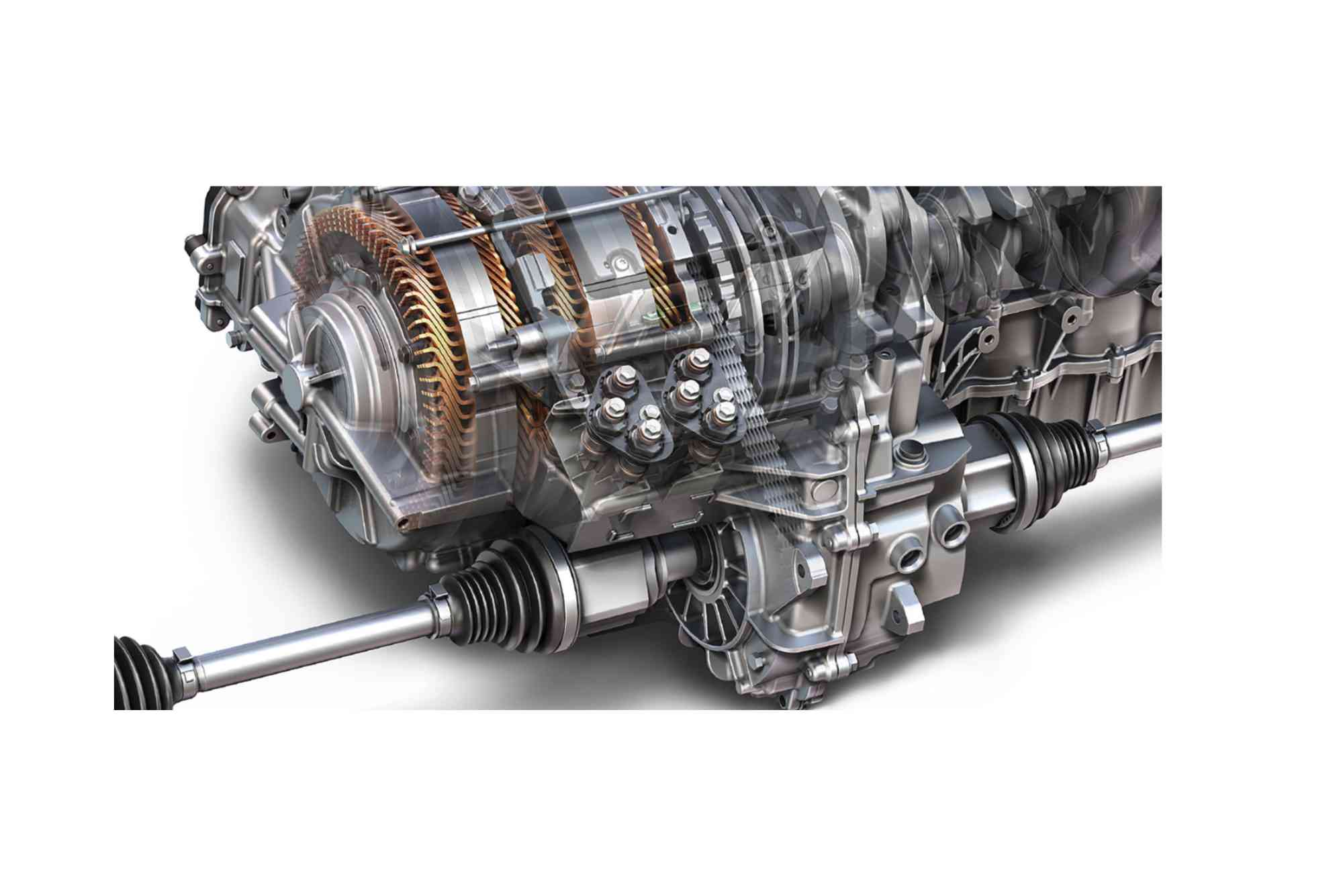
How Hybrid Regenerative Braking Works and Its Benefits
Hybrid regenerative braking is one of the most remarkable advancements in automotive technology, allowing vehicles to recover energy that would otherwise be wasted during braking. This innovation plays a major role in improving fuel efficiency, reducing emissions, and enhancing the overall driving experience. As the world moves toward sustainable mobility, understanding how hybrid regenerative braking works and its benefits becomes essential for car enthusiasts and environmentally conscious drivers alike.
Understanding Hybrid Regenerative Braking
At its core, hybrid regenerative braking is a system designed to capture and reuse energy that is normally lost as heat during braking. In traditional braking systems, pressing the brake pedal creates friction between the brake pads and rotors, slowing the car but wasting kinetic energy as heat. In contrast, hybrid regenerative braking converts this kinetic energy into electrical energy, which is then stored in the vehicle’s battery. This stored energy can later be used to power the electric motor, reducing the vehicle’s reliance on fuel.
Hybrid vehicles combine both a conventional internal combustion engine and an electric motor. During braking, the electric motor acts as a generator, reversing its function to convert the car’s motion into electricity. This process not only slows down the vehicle but also recharges the hybrid battery, providing a cleaner and more efficient driving experience.
How Hybrid Regenerative Braking Works
To understand how hybrid regenerative braking works, it helps to break down the process into several key steps.
When the driver applies the brake pedal, the vehicle’s control system decides how much braking force should come from the regenerative system and how much from the traditional friction brakes. In mild braking situations, most of the deceleration is handled by the regenerative system, where the electric motor generates resistance to slow the vehicle down. The motor’s rotation is reversed, converting kinetic energy into electrical energy.
This electricity is then directed through the inverter, which converts it from alternating current (AC) to direct current (DC) suitable for storage in the vehicle’s high-voltage battery. Once stored, this energy becomes available to power the electric motor during acceleration or low-speed driving, making the car more efficient and reducing fuel consumption.

If the driver brakes hard or the regenerative system cannot provide enough stopping power, the friction brakes automatically engage to assist. The transition between regenerative and friction braking is seamless, ensuring smooth operation and consistent performance.
Key Components of a Hybrid Regenerative Braking System
Several critical components work together to make hybrid regenerative braking possible.
Electric Motor/Generator: The electric motor doubles as a generator during braking, converting kinetic energy into electricity. This dual functionality is central to energy recovery in hybrid vehicles.
Battery Pack: The energy recovered through braking is stored in the high-voltage battery. This stored power can later assist the vehicle’s acceleration or run electrical components, improving efficiency.
Inverter: The inverter manages the flow of electricity between the motor and the battery, converting AC to DC during energy capture and DC to AC when supplying power to the motor.
braking, optimizing efficiency while maintaining safe braking performance.
Benefits of Hybrid Regenerative Braking
Hybrid regenerative braking offers a wide range of advantages that contribute to both environmental sustainability and cost savings for drivers.
Improved Fuel Efficiency
One of the most significant benefits is improved fuel efficiency. By capturing and reusing braking energy, hybrid vehicles rely less on fuel, which results in fewer refueling stops and lower running costs. This energy recovery can increase overall fuel economy by up to 10–25%, depending on driving habits and traffic conditions.
Reduced Emissions
Because the electric motor handles a portion of the braking and propulsion, the internal combustion engine runs less frequently. This reduction in engine usage lowers carbon dioxide (CO₂) and other harmful emissions, making hybrid vehicles more eco-friendly and compliant with global environmental standards.
Extended Brake Life
Hybrid regenerative braking systems reduce the wear on traditional friction brakes since much of the braking is handled by the electric motor. This means brake pads and rotors last longer, reducing maintenance costs and improving long-term reliability.
Enhanced Driving Experience
The system also enhances the driving experience. Regenerative braking provides smoother deceleration and can make the vehicle feel more responsive. Some systems even allow drivers to control the level of regenerative braking, enabling a “one-pedal” driving experience where lifting off the accelerator slows the car efficiently.
Energy Conservation
Traditional vehicles waste enormous amounts of energy as heat during braking. Regenerative systems capture a large portion of this energy, storing it for reuse. This continuous cycle of energy recovery and reuse makes hybrid vehicles far more energy-efficient than conventional ones.
Common Myths About Hybrid Regenerative Braking
There are several misconceptions about hybrid regenerative braking that deserve clarification.
Some drivers believe regenerative braking reduces braking performance, but this is false. Modern systems seamlessly blend regenerative and friction braking to maintain optimal stopping power. Others think regenerative braking only works at high speeds; in reality, it functions effectively even at lower speeds, although the amount of recovered energy may vary.
Another misconception is that the system requires frequent maintenance. In truth, regenerative braking reduces wear on mechanical components, often extending the lifespan of brakes and lowering maintenance frequency.
Real-World Applications of Hybrid Regenerative Braking
Hybrid regenerative braking isn’t limited to just passenger cars. It’s widely used in buses, trucks, and even trains, contributing to large-scale energy savings in transportation. Public transit systems benefit immensely from regenerative braking because of frequent stop-and-go traffic, where energy recovery is maximized.
Manufacturers such as Toyota, Honda, Ford, and Hyundai have perfected regenerative braking systems in their hybrid models, including the Toyota Prius, Honda Insight, and Ford Escape Hybrid. Each generation of hybrids continues to improve the efficiency and smoothness of regenerative braking, making it an essential feature in modern vehicles.
The Role of Regenerative Braking in Future Mobility
As electric and hybrid vehicles become more common, regenerative braking technology will continue to evolve. Advanced systems now incorporate predictive algorithms and sensors to optimize braking energy recovery based on road conditions, driving patterns, and vehicle load.
Future hybrid and electric vehicles may use ultra-efficient solid-state batteries that can store and release energy faster, making regenerative braking even more effective. The growing integration of artificial intelligence in vehicles will also enable smarter energy management, ensuring no potential energy is wasted.
Moreover, as autonomous driving technology develops, regenerative braking will play a key role in managing energy efficiency for self-driving fleets, helping reduce operational costs and environmental impact.
Challenges of Hybrid Regenerative Braking
Despite its advantages, hybrid regenerative braking also faces some challenges. One issue is the limited energy recovery capacity; it cannot capture all kinetic energy due to battery constraints and system inefficiencies. The effectiveness of regenerative braking can also be reduced in cold weather or when the battery is fully charged.
In addition, the smooth transition between regenerative and friction braking requires precise calibration. Poorly tuned systems can cause a slightly inconsistent braking feel, although most modern vehicles have largely overcome this issue through advanced software control.
How to Maximize the Benefits of Regenerative Braking
Drivers can enhance the efficiency of regenerative braking with a few simple habits. Gradual braking allows the system to capture more energy, while anticipating stops instead of abrupt braking maximizes recovery. Using the vehicle’s eco or regenerative driving modes also ensures the system prioritizes energy conservation.
Maintaining proper tire pressure and regular servicing helps ensure the system operates efficiently. Understanding how the hybrid’s regenerative system interacts with driving behavior allows users to make the most of its benefits over time.
Hybrid regenerative braking is a cornerstone technology in the push toward cleaner, more efficient transportation. By transforming wasted energy into useful power, it not only boosts fuel economy but also reduces emissions and extends the lifespan of key vehicle components. As hybrid and electric vehicles become the new standard, regenerative braking will continue to evolve, making driving more sustainable and cost-effective.
FAQs
How does hybrid regenerative braking save fuel?
Hybrid regenerative braking saves fuel by converting braking energy into electricity, which powers the vehicle’s electric motor and reduces fuel engine usage.
Does regenerative braking stop the car completely?
In most hybrids, regenerative braking slows the car significantly but does not bring it to a complete stop; friction brakes finalize the process.
Is regenerative braking only available in hybrid cars?
No, it is also used in fully electric vehicles and some plug-in hybrids. The technology benefits any vehicle with an electric drivetrain.
Can regenerative braking batteries overcharge?
No, modern systems are designed to prevent overcharging. Once the battery is full, excess energy is dissipated safely or the system shifts to friction braking.
Does regenerative braking work in all weather conditions?
Yes, but efficiency may vary. In extremely cold temperatures, battery performance can limit energy recovery.