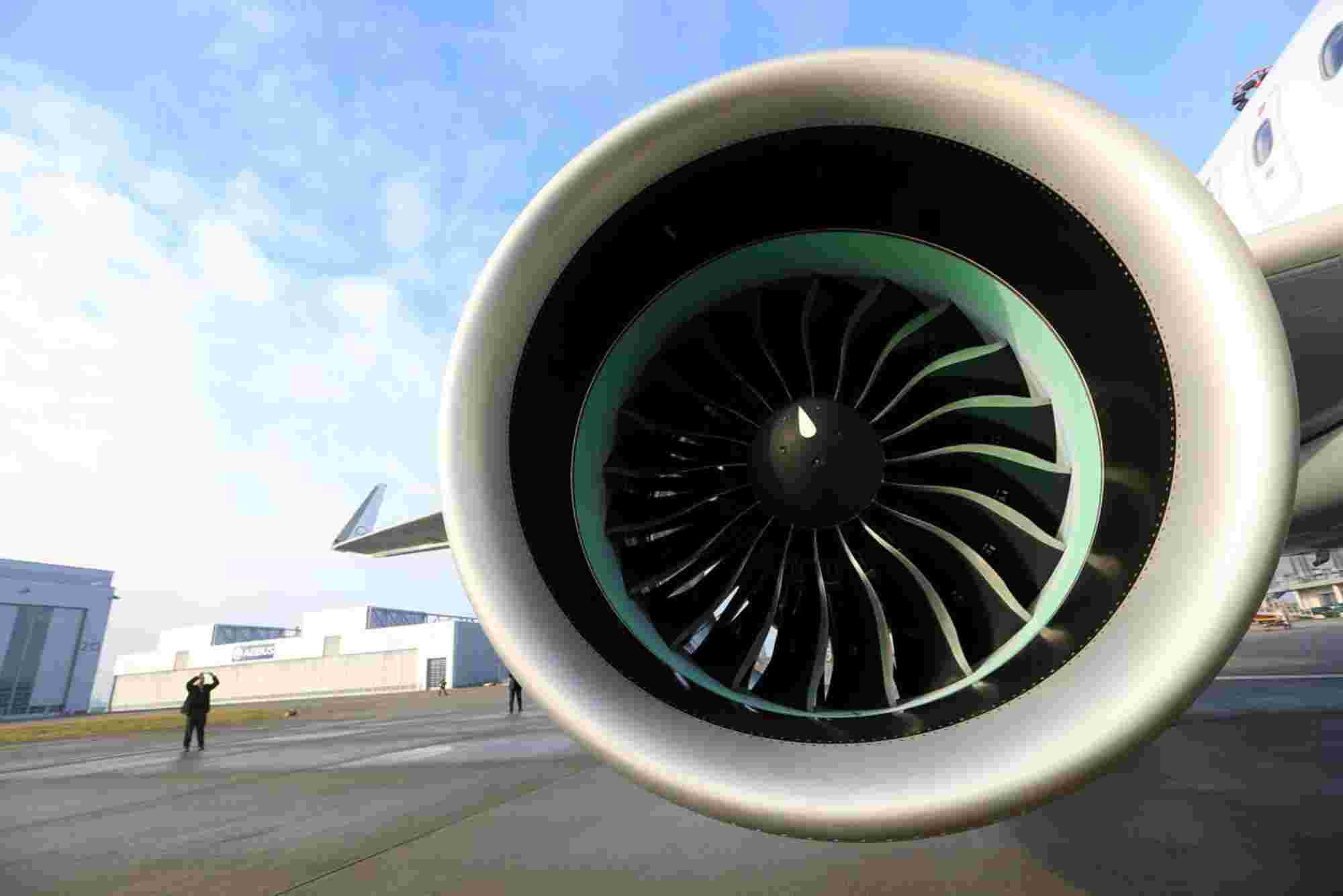
A Technological Marvel in Commercial Aviation
The Airbus A320neo engine represents a significant leap in commercial aviation technology. Airlines and passengers alike benefit from enhanced efficiency, reduced emissions, and superior performance. In this article, we delve into the innovative engineering behind the A320neo engine, exploring its design, capabilities, and impact on modern aviation.
Introduction to the Airbus A320neo Engine
The Airbus A320neo is an updated version of the A320 family, designed to meet the evolving demands of the aviation industry. At the heart of this aircraft lies the airbus a320neo engine, a cutting-edge powerplant that combines advanced aerodynamics, fuel efficiency, and noise reduction technology.
The engine plays a crucial role in enabling airlines to reduce operational costs while maintaining high performance standards. Its design reflects a shift toward greener and more sustainable aviation.
Key Features of the Airbus A320neo Engine
Engine Variants and Manufacturers
The A320neo is compatible with two primary engine options: the Pratt & Whitney PW1100G-JM and the CFM International LEAP-1A. Both engines are designed to deliver remarkable efficiency and performance.
The PW1100G-JM utilizes geared turbofan technology, which optimizes fan speed and improves fuel efficiency. Meanwhile, the LEAP-1A engine incorporates advanced materials and aerodynamics to reduce emissions and operating costs.
Fuel Efficiency and Reduced Emissions
One of the most notable advantages of the airbus a320neo engine is its exceptional fuel efficiency. The engines are designed to consume up to 15-20% less fuel than previous models. This efficiency translates into lower carbon emissions, helping airlines meet increasingly strict environmental regulations.

The use of lightweight composite materials and high-bypass ratio fans ensures that the engine produces more thrust with less fuel. These innovations make the A320neo a more eco-friendly choice for airlines worldwide.
Noise Reduction Technology
Noise pollution is a major concern in aviation, particularly in urban areas. The A320neo engine incorporates advanced acoustic liners and fan blade designs to significantly reduce noise levels. Passengers enjoy quieter flights, while communities near airports experience less disruption.
Reliability and Maintenance Benefits
The airbus a320neo engine is engineered for high reliability and simplified maintenance. Advanced diagnostic systems monitor engine health in real-time, allowing airlines to schedule maintenance proactively. This reduces downtime and operational disruptions.
The modular design also simplifies repairs, ensuring faster turnaround times for airlines and improving overall fleet efficiency.
Technological Innovations Driving Performance
Geared Turbofan Technology
A key innovation of the PW1100G-JM engine is the geared turbofan. This technology decouples the fan from the low-pressure turbine, allowing each component to operate at optimal speeds.
The result is improved fuel efficiency, reduced wear on engine components, and quieter operation. Geared turbofans represent a major advancement in modern jet engine design.
Advanced Materials and Aerodynamics
The airbus a320neo engine uses composite fan blades, ceramic matrix composites, and titanium alloys. These materials reduce weight, improve strength, and withstand higher operating temperatures.
Enhanced aerodynamics in the fan and turbine sections optimize airflow and thrust, further improving fuel efficiency and overall engine performance.
Digital Engine Control Systems
Modern engines rely on Full Authority Digital Engine Control (FADEC) systems to manage performance. The A320neo engines feature FADEC, which precisely controls fuel flow, engine temperature, and thrust output.
These systems enhance safety, reduce pilot workload, and optimize fuel consumption, making flights smoother and more efficient.
Impact on Commercial Aviation
Operational Cost Savings
Airlines benefit directly from the efficiency of the airbus a320neo engine. Lower fuel consumption reduces one of the largest operating expenses in commercial aviation.
Additionally, longer maintenance intervals and improved engine reliability decrease operational downtime, further enhancing profitability.
Environmental Benefits
The A320neo’s reduced emissions contribute to sustainable aviation goals. By lowering CO2 and NOx emissions, the aircraft supports global efforts to combat climate change.
Many airlines are adopting the A320neo to modernize fleets and comply with stricter environmental regulations, signaling a shift toward greener air travel.
Passenger Experience
Beyond efficiency and sustainability, the airbus a320neo engine enhances the passenger experience. Quieter cabins, smoother acceleration, and more efficient climb performance make flights more comfortable and enjoyable.
Passengers may not see the engine directly, but its benefits are felt throughout every stage of the journey.
Challenges and Considerations
Integration with Airline Operations
While the A320neo engine offers numerous advantages, integrating new technology into existing fleets requires careful planning. Training for maintenance crews, updates to operational protocols, and inventory management are essential for smooth adoption.
Market Competition
Airbus faces competition from Boeing and other manufacturers, who also offer fuel-efficient narrow-body aircraft. Continuous innovation in engine design and performance is necessary to maintain market leadership.
Future Prospects of the A320neo Engine
The airbus a320neo engine sets a benchmark for future commercial aviation engines. Continuous improvements in materials, aerodynamics, and digital systems are likely to further enhance performance, efficiency, and sustainability.
Airlines are increasingly seeking engines that align with environmental goals while maintaining operational cost-effectiveness. The A320neo engine is well-positioned to meet these demands in the coming decades.
FAQs About the Airbus A320neo Engine
How much fuel does the Airbus A320neo engine save?
The engine can save up to 15-20% in fuel compared to older A320 models. This reduces costs and emissions.
Who manufactures the Airbus A320neo engines?
Airbus A320neo engines are made by Pratt & Whitney (PW1100G-JM) and CFM International (LEAP-1A). Both are leading aerospace manufacturers.
How quiet is the Airbus A320neo engine?
Noise reduction technologies significantly reduce cabin and external noise, making it one of the quietest engines in its class.
What is the thrust of the A320neo engine?
The PW1100G-JM and LEAP-1A engines deliver thrust ranging from 24,000 to 35,000 pounds, depending on the variant.
Is the Airbus A320neo engine environmentally friendly?
Yes, its fuel efficiency and reduced emissions help airlines comply with environmental regulations.
The Airbus A320neo engine is a technological marvel that redefines efficiency, reliability, and sustainability in commercial aviation. With advanced materials, geared turbofan technology, and digital controls, it provides significant benefits to airlines and passengers alike.
Airlines embracing this technology enjoy reduced costs, improved environmental performance, and a better passenger experience. For aviation enthusiasts, industry professionals, and travelers, the A320neo engine is a prime example of modern engineering excellence.
To learn more about Airbus innovations and explore aircraft technologies, consider following aviation news, airline announcements, and aerospace publications. Stay updated and witness how engines like the A320neo shape the future of flight.
Related Reading: 997 Engine Rebuild
Related Reading: What are the best Surron electric bikes available?
Related Reading: Automotive Engineering Logo
Related Reading: B230FT Engine — full guide