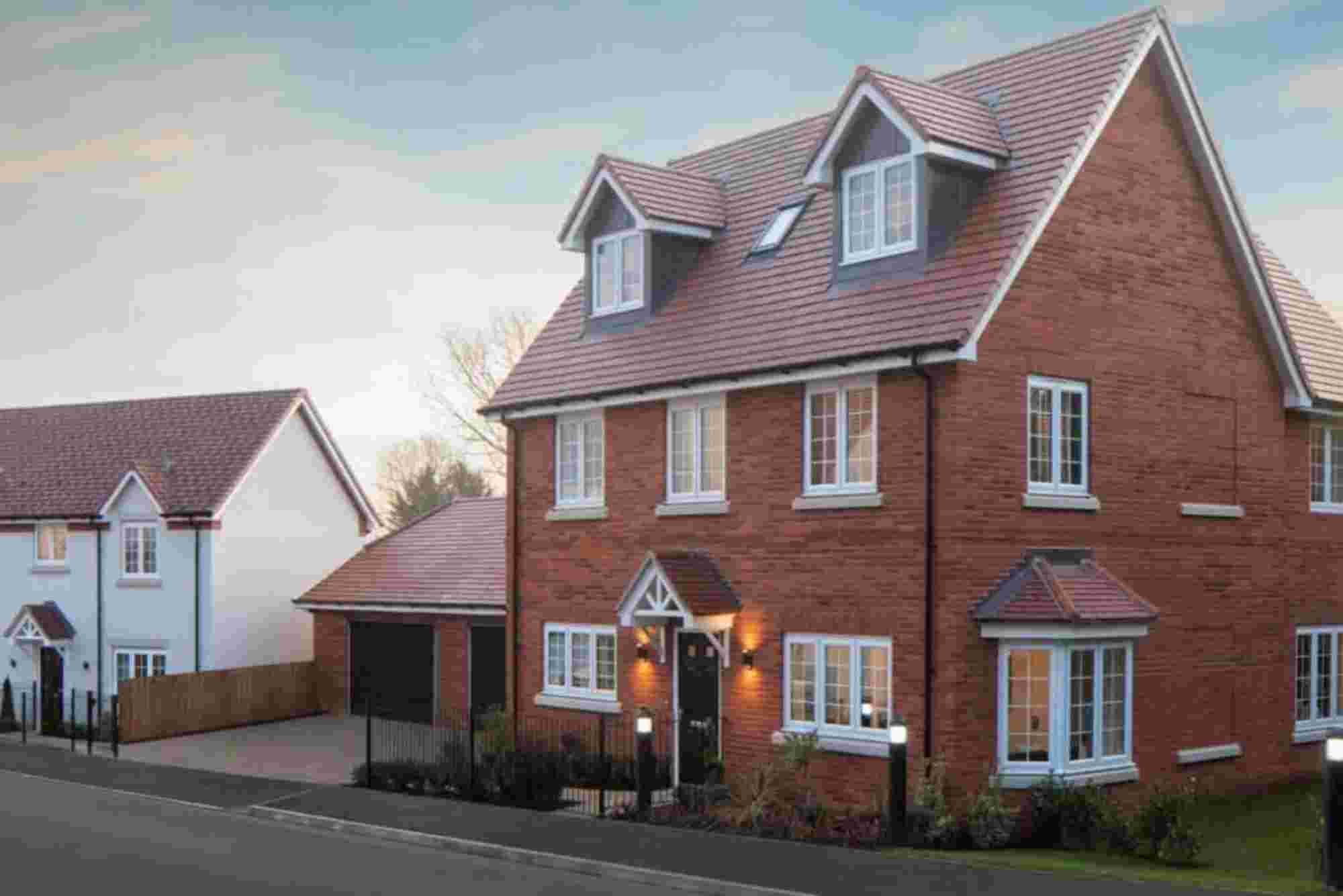
Building and Selling Homes: A Step-by-Step Guide for New Builders
Building and selling homes can be a rewarding business, but for new builders, it can feel overwhelming. From acquiring land to marketing the finished property, each step requires careful planning and execution. This guide provides a practical roadmap for new builders, offering tips and expert advice to help you succeed in the competitive real estate market.
Understanding the Market
Research Local Real Estate Trends
Before building, understand the demand in your area. Study local property prices, popular home styles, and buyer preferences. Researching the competition helps you identify opportunities to differentiate your homes.
Identify Target Buyers
Determine who your potential buyers are. Families may prefer larger homes with multiple bedrooms, while young professionals might want smaller, modern layouts. Tailoring your design to your target audience increases the chances of a quick sale.
Evaluate Neighborhoods
Location is a key factor in home sales. Look for areas with good schools, amenities, and growth potential. A desirable location often leads to higher property value and faster sales.
Planning Your Home Build
Set a Realistic Budget
Budgeting is crucial. Consider costs for land acquisition, construction, permits, and unexpected expenses. A clear budget prevents overspending and ensures you can price your home competitively.
Choose the Right Design
Select a design that balances aesthetics, functionality, and cost. Modern layouts with open floor plans often appeal to buyers. Work with architects or use pre-designed plans to streamline the process.

Obtain Permits and Approvals
Every construction project requires legal compliance. Obtain necessary permits from local authorities to avoid delays or fines. Ensuring compliance also boosts buyer confidence.
Hire Trusted Contractors
Choose experienced builders, electricians, and plumbers. Reliable contractors ensure quality construction and timely completion. Vetting professionals carefully reduces risks during the building phase.
Construction Process
Site Preparation
Clear the land, level the ground, and ensure proper drainage. Proper site preparation prevents construction issues later.
Foundation and Framing
Lay a strong foundation and build a solid frame. These steps determine the durability and safety of the home.
Electrical, Plumbing, and HVAC
Install essential systems early. Quality installations enhance home value and reduce future maintenance issues.
Interior and Exterior Finishing
Focus on appealing finishes like flooring, paint, and fixtures. Attractive homes sell faster and can command higher prices.
Regular Inspections
Schedule inspections throughout construction to ensure quality and compliance. Addressing problems early saves time and money.
Marketing Your Home
Professional Photography and Staging
High-quality photos and staged interiors attract buyers online. First impressions are critical in real estate marketing.
Online Listings and Social Media
List your home on popular real estate platforms and share on social media. Visibility increases the chances of finding the right buyer quickly.
Host Open Houses
Inviting potential buyers to walk through the home creates engagement and builds excitement. Make the experience pleasant and informative.
Competitive Pricing
Price your home based on market research. Overpricing can delay sales, while fair pricing attracts serious buyers.
Selling Your Home
Work With a Real Estate Agent
Experienced agents provide guidance, market insights, and access to potential buyers. They help negotiate terms and close deals efficiently.
Prepare for Negotiations
Expect buyers to request price adjustments or improvements. Be ready to negotiate while protecting your profit margin.
Close the Sale
Complete the paperwork, legal requirements, and transfer ownership. A smooth closing process leaves buyers satisfied and enhances your reputation.
Tips for New Builders
Start Small
Begin with smaller projects to gain experience and manage risk. As confidence and knowledge grow, you can expand to larger developments.
Build a Strong Network
Connect with real estate agents, contractors, and investors. A strong network provides support, advice, and potential buyers.
Focus on Quality
High-quality construction attracts repeat clients and referrals. Reputation is critical in the real estate industry.
Keep Learning
Stay updated on construction trends, design innovations, and market changes. Continuous learning improves decision-making and results.
Common Challenges and How to Overcome Them
Delays in Construction
Unexpected weather, material shortages, or labor issues can cause delays. Plan contingencies and maintain regular communication with contractors.
Budget Overruns
Costs can escalate if not monitored closely. Track expenses and adjust plans as needed to stay within budget.
Difficulty Selling
Homes may stay on the market longer than expected. Reassess pricing, marketing strategy, or home features to attract buyers.
FAQs
How long does it take to build and sell a home?
Construction typically takes 6 to 12 months, depending on size and complexity. Selling time varies by market demand.
Should I hire a real estate agent or sell the home myself?
Agents provide marketing expertise and buyer access. Selling independently saves commission but may require more effort and knowledge.
How can I make my home more attractive to buyers?
Use modern designs, quality finishes, professional staging, and appealing landscaping to increase attractiveness and value.
Is it better to build custom homes or use pre-designed plans?
Pre-designed plans save time and cost. Custom homes appeal to specific buyers but may require more investment and planning.
What is the average profit margin for new home builders?
Profit margins vary by market and project size. Typically, builders aim for 15–25% profit after all costs are covered.
Building and selling homes requires careful planning, attention to detail, and market knowledge. By understanding your buyers, managing construction efficiently, and marketing effectively, new builders can achieve success. Focus on quality, network strategically, and continuously improve your skills.
Ready to start your first home project? Begin today by researching your local market, setting a realistic budget, and connecting with experienced contractors to bring your vision to life.
Related Reading: Cala Homes Reviews
Related Reading: How Nanny Care Can Support Your Child’s Early Development