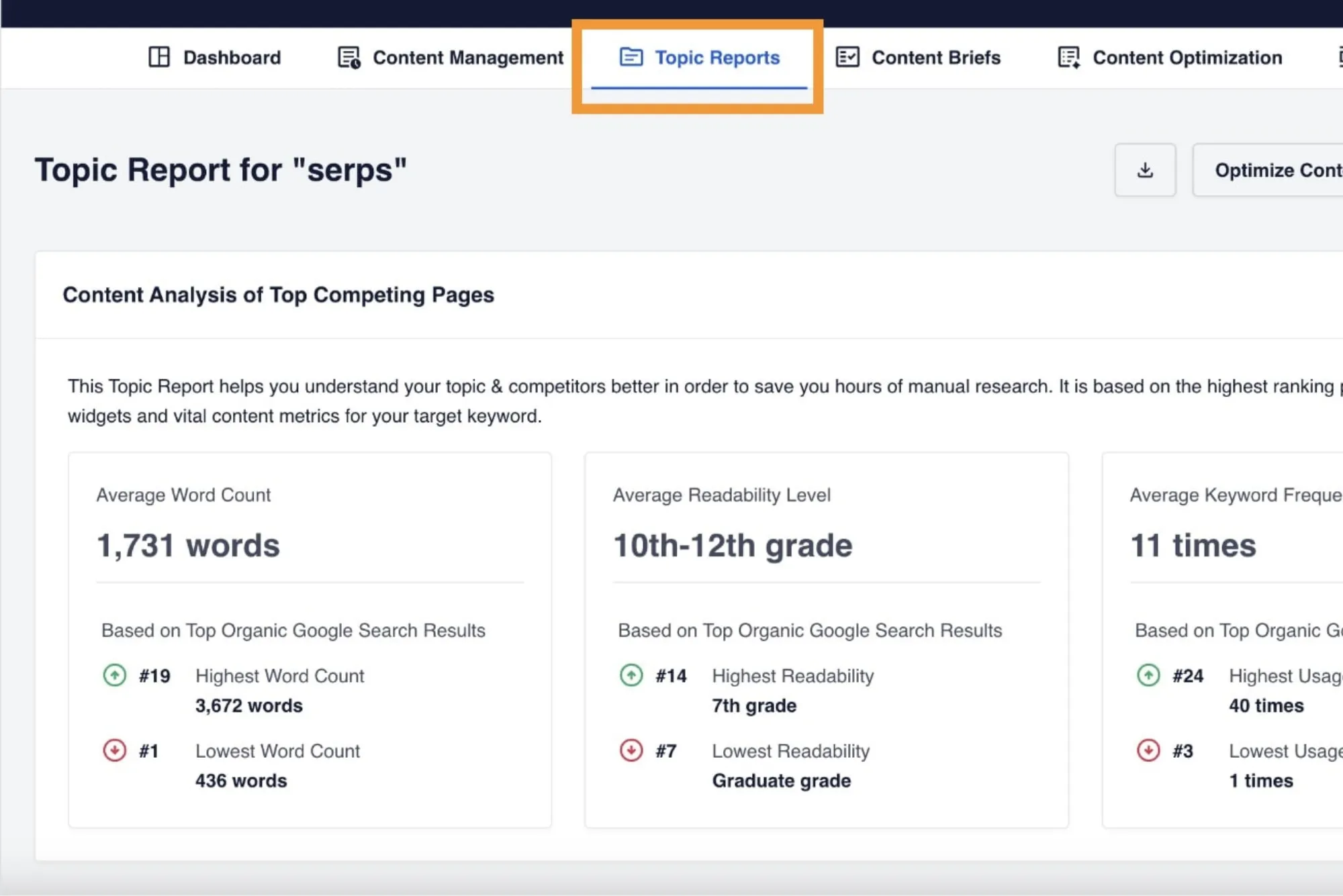
The debate between free and paid SEO tools has become more relevant than ever in 2026. Content teams today are expected to deliver consistent search visibility, data-driven decisions, and high-quality content—often without large budgets. With so many tools available, choosing the right mix can directly impact productivity and SEO performance.
Instead of assuming that expensive tools guarantee better rankings, modern SEO is shifting toward smarter workflows that balance cost, functionality, and team efficiency.
Understanding the Real Needs of Content Teams
Content teams do not need every advanced feature offered by premium SEO platforms. Most teams primarily focus on:
- Keyword research and topic planning
- Content optimization and readability improvements
- Competitor analysis
- Performance tracking and reporting
The key question is not whether tools are free or paid, but whether they support these core workflows efficiently.
A growing number of teams also rely on structured insights and industry reporting platforms such as technology insights and digital trends to better understand how SEO is evolving in real time.
What Free SEO Tools Offer in 2026
Free SEO tools have improved significantly over the past few years. Many now offer features that were once exclusive to premium platforms. For content teams, free tools are often enough for basic operations and early-stage content strategies.

Key Strengths of Free SEO Tools
- No financial investment required
- Easy to use for beginners and small teams
- Good for keyword discovery and basic audits
- Useful for testing content strategies
Limitations of Free Tools
While free tools are helpful, they come with restrictions:
- Limited keyword data accuracy
- Restricted daily usage
- Basic reporting features
- No advanced competitor tracking
For teams working on larger campaigns, these limitations can slow down productivity and reduce strategic depth.
What Paid SEO Tools Bring to the Table
Paid SEO tools are designed for scalability and depth. They provide advanced analytics, automation, and competitive insights that help content teams operate more strategically.
However, cost is often the biggest concern. Depending on the platform, pricing can range from affordable monthly subscriptions to high-end enterprise packages.
Typical Cost Breakdown of Paid SEO Tools
| Tool Type | Monthly Cost Range | Main Features |
|---|---|---|
| Basic SEO Software | $20 – $50 | Keyword tracking, site audits, basic reporting |
| Mid-Level Platforms | $50 – $150 | Competitor analysis, content optimization, backlink tracking |
| Enterprise Tools | $150+ | Advanced automation, API access, large-scale data analysis |
These tools are often used by agencies, large content teams, and businesses managing multiple websites or international SEO campaigns.
Free vs Paid SEO Tools: A Direct Comparison
| Feature | Free Tools | Paid Tools |
|---|---|---|
| Keyword Research | Basic suggestions | Deep keyword analysis and trends |
| Competitor Analysis | Very limited | Advanced tracking and insights |
| Reporting | Manual or limited reports | Automated dashboards and exports |
| Usability | Simple and beginner-friendly | Requires learning but more powerful |
The comparison clearly shows that free tools are ideal for basic use, while paid tools are designed for scale and precision.
Where SEO Analysis Tools Fit into the Workflow
Modern content teams increasingly rely on hybrid setups where both free and paid tools are used together. Interestingly, many teams also explore external platforms like seo analysis tools to enhance reporting accuracy and improve optimization workflows.
These tools help identify gaps in content structure, keyword usage, and technical SEO issues that might otherwise go unnoticed.
Best Strategy: Hybrid SEO Tool Stack
In 2026, the most effective approach is not choosing between free or paid tools—but combining both strategically.
Recommended Hybrid Setup
- Free tools for keyword discovery and brainstorming
- Paid tools for tracking and scaling campaigns
- External tools for audits and performance validation
This balanced approach allows content teams to reduce costs while maintaining performance quality.
Role of Content Strategy in SEO Tool Selection
SEO tools are only as effective as the strategy behind them. Content teams must focus on building structured workflows rather than depending entirely on software.
Many organizations now combine SEO tools with broader digital insights available in resources such as business strategy and market analysis to align content with audience demand.
When tools and strategy work together, results become more predictable and scalable.
Common Mistakes Content Teams Should Avoid
- Relying only on free tools without upgrading when needed
- Over-investing in expensive tools without strategy
- Ignoring data interpretation and focusing only on metrics
- Using too many tools without workflow integration
The key is balance, not excess.
Pricing Perspective: Is Paid SEO Worth It?
Paid SEO tools become valuable when content teams reach a point where manual tracking is no longer efficient. The ROI depends on how effectively the data is used to improve rankings and conversions.
For small teams, starting with free tools is often enough. For growing teams, investing in paid tools can save time and improve accuracy significantly.
Frequently Asked Questions
Are free SEO tools enough for beginners?
Yes, free SEO tools are often enough for beginners to understand keyword research, content optimization, and basic performance tracking.
When should a team switch to paid SEO tools?
Teams should consider upgrading when they need advanced reporting, competitor analysis, or are managing multiple content campaigns.
What is the biggest advantage of paid SEO tools?
The biggest advantage is depth of data, automation, and scalability, which help teams make faster and more accurate decisions.
Can free and paid tools be used together?
Yes, many content teams use a hybrid approach to balance cost and functionality effectively.
Conclusion
The decision between free vs paid SEO tools is not about which is better, but which is more suitable for your content team’s stage of growth. Free tools are perfect for learning and early execution, while paid tools offer depth and scalability for advanced strategies.
In 2026, the smartest teams are not choosing one over the other—they are combining both to build efficient, data-driven content systems that grow over time.
Related Reading: What Are SEO Tools for Content Teams and Which Features Matter Most in 2026?
Related Reading: Best SEO Reporting Tools for Content Teams showing content output and SEO progress clearly in 2026