Research-Only Property Insights
Antarctica, a vast and mysterious continent, captures the curiosity of adventurers, scientists, and even real estate seekers. With online ads occasionally teasing “land for sale in Antarctica,” people naturally wonder—can you actually buy land there?
In this article, we’ll unpack the reality of purchasing property in Antarctica. We’ll also explore the legal framework, research-only access, and the reasons why you can’t own land there in the traditional sense. Whether you’re a curious investor or a science enthusiast, this guide offers expert-backed insights into what’s really possible.
The Myth and the Marketing: Is There Really Land for Sale in Antarctica?
At first glance, some online listings seem to suggest that buying land in Antarctica is possible. These offers often claim novelty ownership or symbolic deeds. However, when you dig deeper, you’ll find that such offers don’t stand up to international law.
Can You Legally Buy Land in Antarctica?
No, you can’t legally buy land in Antarctica in the traditional way. The Antarctic Treaty System, signed in 1959 and now including over 50 countries, strictly forbids land ownership for private or commercial purposes. The continent is preserved for peaceful scientific research and environmental protection.
Why the Confusion Exists
Some websites offer novelty deeds as souvenirs or symbolic gifts. These aren’t legally binding and don’t grant actual ownership. They exploit a legal gray area and the lack of enforcement for non-serious transactions. So, while they may look official, they’re nothing more than conversation pieces.
The Legal Framework Behind Antarctica’s Land Ownership
Understanding the legal context is crucial if you’re exploring the idea of land for sale in Antarctica. International agreements and cooperative governance play central roles.

The Antarctic Treaty System (ATS)
Established in 1959, the ATS ensures that Antarctica is used only for peaceful purposes. Key provisions include:
- No military activity
- No nuclear testing
- No mineral mining
- No land ownership
This treaty has effectively put any sale of land on hold indefinitely.
Territorial Claims: A Historical Note
Seven countries—Argentina, Australia, Chile, France, New Zealand, Norway, and the UK—have made historical claims on parts of Antarctica. However, these claims are suspended under the ATS and not recognized internationally.
What You Can Actually Do in Antarctica
Even though land ownership isn’t possible, there are ways to interact with the continent, especially for research and exploration purposes.
Research-Only Land Access
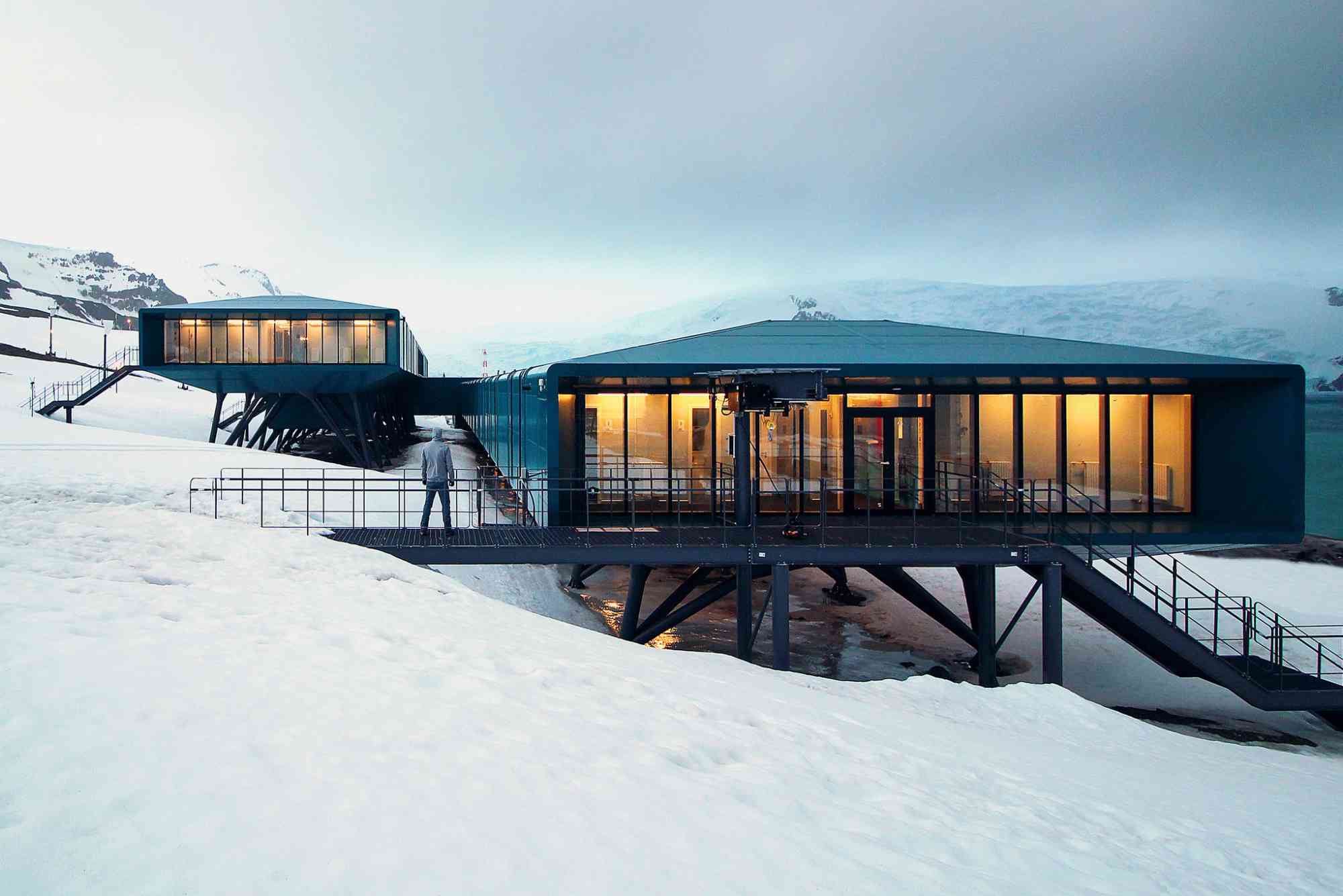
Many countries maintain research stations in Antarctica. These bases are often supported by public funds and involve cooperation between scientists across the globe. Access to these research areas is possible—but only with the right credentials, permits, and purposes.
Join Scientific Expeditions
Universities and government bodies frequently conduct climate, wildlife, and geological studies. Qualified researchers can apply to join these missions. Some private companies also offer educational expeditions for paying participants.
The Environmental Protection Factor
One major reason private land ownership is prohibited is the extreme importance of preserving Antarctica’s unique ecosystem.
Protected Wildlife and Climate
Antarctica is home to seals, penguins, and migratory birds. It also holds around 70% of the world’s freshwater in its ice sheets. Human activity is heavily regulated to prevent pollution and habitat disruption.
The Madrid Protocol
Signed in 1991, the Protocol on Environmental Protection to the Antarctic Treaty bans all mineral resource activities (except for scientific research). It reinforces the continent’s protection status and makes private development illegal.
The Rise of “Symbolic” Antarctic Properties
Despite the legal clarity, some companies continue to sell so-called “symbolic” or “novelty” Antarctic plots. What should you know about these?
Are These Symbolic Plots Legal?
While not illegal, they are legally meaningless. Land For Sale In Antarctica You’re essentially paying for a certificate and possibly a map, but not the land itself. They’re best viewed as novelty gifts or awareness tools.
Are There Any Real Benefits?
Some companies claim they use proceeds to support environmental causes or research awareness. If you choose to buy, ensure the organization is transparent and credible. Always research their background.
What to Do if You’re Interested in Antarctic Land
If you’re fascinated by Antarctica, you’re not alone. But instead of buying land, there are better ways to get involved.
Volunteer or Fund Scientific Work
Many nonprofits and scientific groups offer ways to support research in Antarctica. You can donate, apply for roles in logistics, or participate in citizen science initiatives.
Travel as a Responsible Tourist
Eco-tourism to Antarctica is growing under strict international guidelines. Companies must follow IAATO (International Association of Antarctica Tour Operators) standards to ensure safe and low-impact travel.
Antarctica Is for Science, Not Sale
The idea of owning land in Antarctica is intriguing but ultimately unrealistic. While novelty plots may exist, they offer no real ownership. The continent is a shared global asset—preserved for science, protected by law, and valuable beyond money.
So if you’re passionate about the polar regions, consider supporting research, joining educational trips, or advocating for environmental preservation.
Ready to explore Antarctica in a meaningful way?
Get involved with scientific missions or eco-tourism groups and contribute to the real future of this remarkable continent.
FAQs About Land for Sale in Antarctica
Can I buy land in Antarctica?
No, land in Antarctica is not for sale under international law. The Antarctic Treaty prohibits any claims of ownership.
Why do websites offer Antarctica land for sale?
These are symbolic deeds without legal rights. They’re meant for novelty purposes and don’t convey actual ownership.
Has anyone ever owned land in Antarctica?
No private individual legally owns land there. Some countries have historic claims, but these are paused under the Antarctic Treaty.
Can I live in Antarctica?
Only scientists, researchers, and support staff live temporarily at research stations. There are no permanent residents or commercial developments.
How can I visit Antarctica legally?
You can join regulated tours through licensed eco-tourism operators or participate in government-authorized research programs.