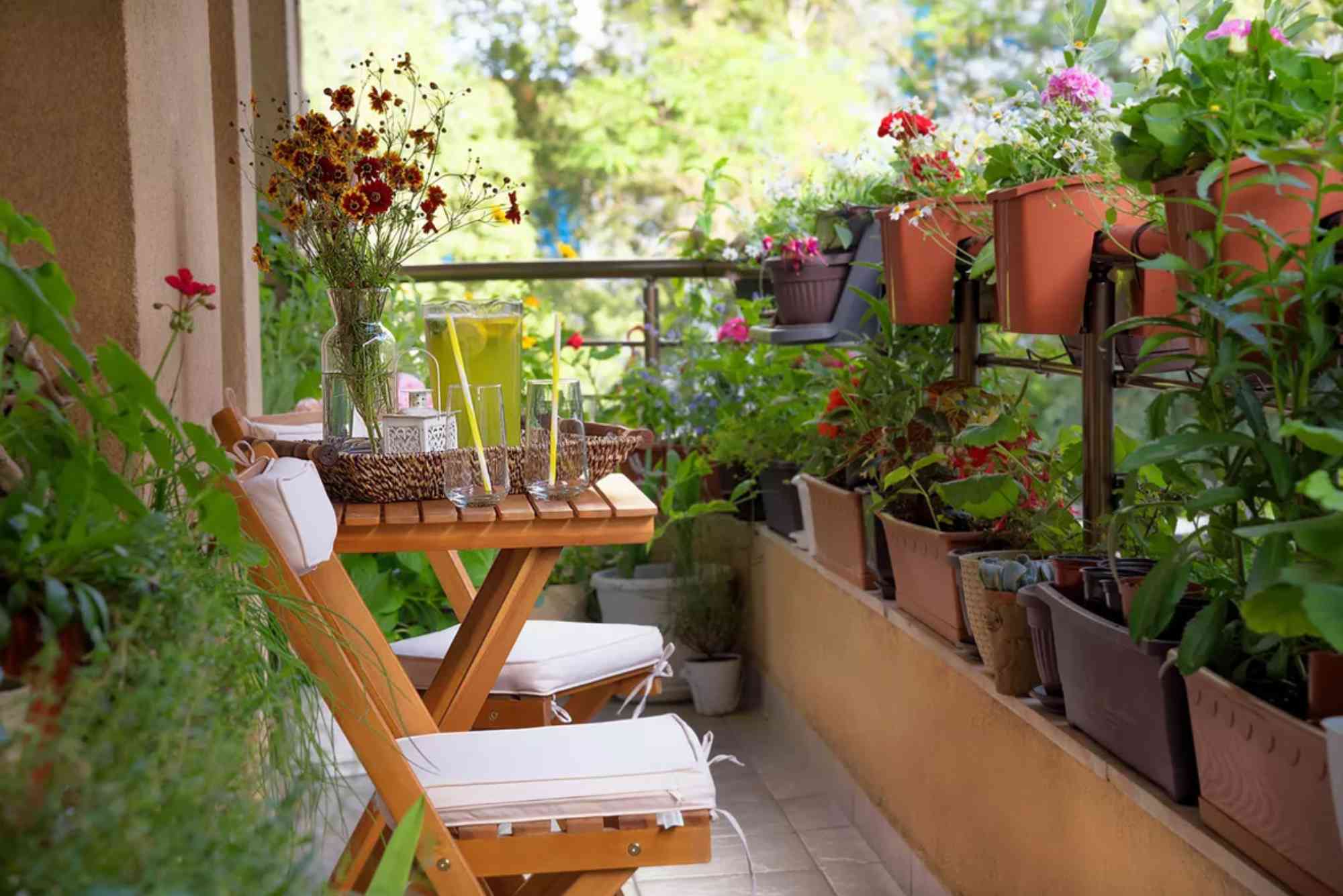
What Is Apartment Farming? A Trendy Urban Agriculture Movement
In cities around the world, a quiet revolution is taking root—literally. Apartment farming is emerging as a powerful solution for urban dwellers who crave fresh produce and a greener lifestyle. But what is apartment farming, and why is it gaining such popularity? In simple terms, apartment farming is the practice of growing food within limited residential spaces, especially apartments. Whether it’s a sunny windowsill garden, a balcony full of herbs, or a vertical setup on your wall, apartment farming makes food cultivation possible—even several floors above the ground.
This modern agricultural movement is not just about growing food; it’s about sustainability, health, and reclaiming a connection with nature in the heart of the concrete jungle. In this blog, we’ll explore everything you need to know about apartment farming, from its benefits to practical tips for getting started.
Why Apartment Farming Is Gaining Popularity
As urban populations swell and green space shrinks, people are turning to apartment farming for a breath of fresh air—both figuratively and literally. This trend is about more than just aesthetics or convenience; it reflects deeper social and environmental needs.
Growing Interest in Sustainability
More people are now aware of how far food travels to reach their plates. Apartment farming offers a sustainable alternative, reducing reliance on long supply chains. With even a small setup, urban residents can reduce their carbon footprint and grow chemical-free food.
Health and Wellness Benefits
Having access to fresh herbs and vegetables at home encourages healthier eating habits. Moreover, the act of nurturing plants provides mental health benefits, including stress relief and mindfulness.
Economic Appeal
While initial setup might require an investment in containers, soil, or lighting, the long-term savings can be substantial. Apartment farming allows you to grow high-demand kitchen staples like basil, lettuce, or tomatoes—cutting down grocery bills over time.

How Apartment Farming Works
Apartment farming might sound complex, but it’s actually simple with the right approach. It involves creative use of available space, choosing appropriate plants, and basic gardening knowledge.
Space-Smart Solutions
In apartments, space is premium. That’s why vertical farming and container gardening are popular choices. Wall-mounted planters, hanging baskets, and hydroponic shelves make use of unused areas without cluttering living space.
Light and Environment
Sunlight is vital for most plants. South-facing windows are ideal, but artificial grow lights can supplement low-light areas. LED grow bulbs provide a full spectrum of light, helping plants thrive even without direct sun.
Soil and Watering Considerations
Using organic potting mixes with good drainage ensures healthy root development. Overwatering is a common mistake; most apartment plants do best with less frequent, deep watering rather than daily sprinkles.
Best Plants for Apartment Farming
Not all plants are suited for indoor conditions, but many thrive in apartment setups. Beginners should start with easy-to-grow, fast-yielding options that don’t need deep soil or constant sun.
Herbs
Basil, mint, thyme, and cilantro are apartment farming favorites. They require minimal space and offer regular harvests with proper pruning.
Leafy Greens
Lettuce, spinach, and kale grow well in containers. They mature quickly and can be harvested leaf by leaf, prolonging productivity.
Fruit and Vegetables
Cherry tomatoes, chilies, and strawberries are compact fruiting plants that work great in hanging pots or railing planters.
Tools and Equipment to Get Started
Getting started with apartment farming doesn’t require a greenhouse or fancy tools. Here are the basics you need:
- Containers: Choose pots with drainage holes. Recycled containers can work too.
- Soil: Opt for organic or soilless mixes made for indoor use.
- Watering Tools: A small watering can or spray bottle helps maintain moisture without overdoing it.
- Grow Lights (Optional): For apartments with limited natural light, LED grow lights are a game changer.
Challenges in Apartment Farming—and How to Overcome Them
Like any other form of gardening, apartment farming has its challenges. But with the right strategies, they’re easily manageable.
Limited Space
Solution: Use vertical space. Install wall-mounted shelves or railing planters. Even your kitchen counter can host microgreens.
Inadequate Sunlight
Solution: Use grow lights on a timer to mimic natural sunlight. Choose shade-tolerant plants like ferns or leafy greens.
Pest Control Indoors
Solution: Regularly inspect plants and keep the area clean. Natural deterrents like neem oil can help control pests without harming indoor air quality.
Water Management
Solution: Ensure good drainage. Place trays under pots and avoid letting water stagnate.
The Environmental Impact of Apartment Farming
The sustainability factor of apartment farming is one of its strongest selling points. Producing your own food eliminates packaging waste, reduces demand on industrial farms, and lowers greenhouse gas emissions associated with food transport.
Even small-scale apartment farms contribute to biodiversity. You can grow heirloom varieties not commonly found in stores, helping preserve genetic diversity in crops.
Apartment Farming Around the World
Apartment farming is not just a trend in the U.S.—it’s a global movement. In Tokyo, vertical farming shelves are common in compact apartments. In Paris, rooftop gardens provide fresh produce to local restaurants. In Mumbai, hydroponic window farms are transforming high-rise living.
This global trend demonstrates that apartment farming is more than a passing fad—it’s a scalable, sustainable solution to urban living challenges.
The Future of Apartment Farming
With innovations like smart gardens, automated watering systems, and modular hydroponics, the future of apartment farming looks promising. Companies are now offering subscription-based home farming kits that combine convenience with cutting-edge tech.
Urban planning is also adapting. Some new apartment buildings now include shared rooftop gardens or vertical farming installations as part of their design—proof that apartment farming is becoming a lifestyle choice as much as a necessity.
FAQs
What is apartment farming?
Apartment farming refers to the practice of growing food—such as herbs, vegetables, and small fruits—inside apartments using containers, hydroponic systems, or vertical gardening techniques.
Can I farm in a small apartment?
Yes! Even with limited space, you can grow a variety of plants using window sills, balconies, shelves, or hanging planters. Vertical gardening is especially useful.
Do I need grow lights for apartment farming?
Not always. If your apartment gets enough natural sunlight, especially from south-facing windows, grow lights might not be necessary. But they are a helpful supplement in darker homes.
Is apartment farming expensive to start?
It can be budget-friendly. Many people start with recycled containers, inexpensive seeds, and basic soil. As you grow more confident, you can invest in more advanced setups like hydroponics.
What vegetables are best for indoor farming?
Lettuce, spinach, cherry tomatoes, chilies, and herbs like basil or mint are ideal for apartment farming. They require little space and thrive in containers.