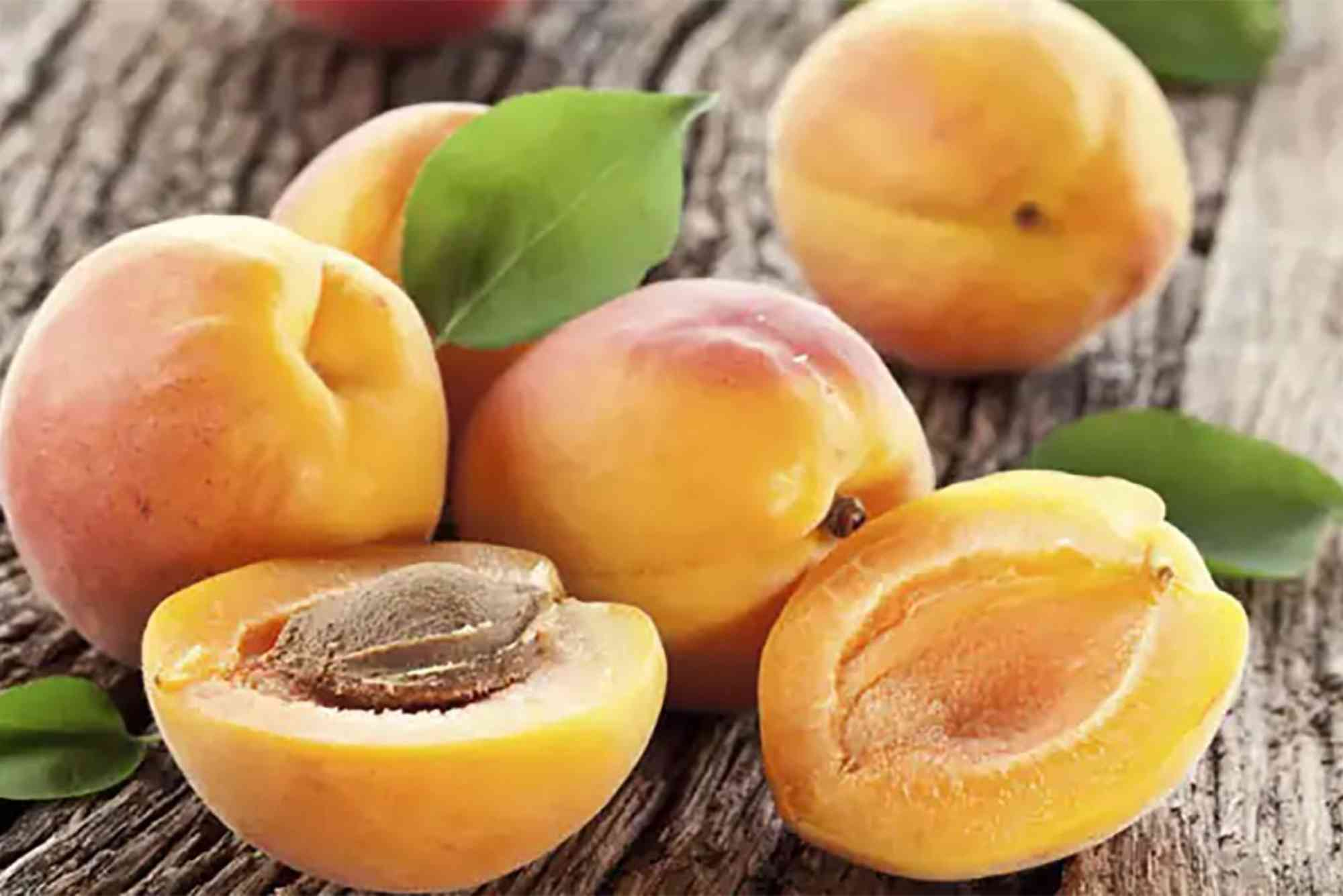
Apricot Fruit in Tamil Names, Uses, and Benefits
Apricot fruit is known for its sweet taste, juicy texture, and impressive health benefits. Many people across India are becoming increasingly curious about how this exotic fruit is referred to in regional languages, especially in Tamil. If you’re looking for the apricot fruit Tamil name, along with its uses, nutritional value, and medicinal benefits, this guide will help you understand everything in detail.
Introduction to Apricot Fruit
The apricot is a small, orange-yellow fruit with a smooth skin and slightly tart flavor. It belongs to the Rosaceae family, closely related to peaches, plums, and cherries. Scientifically, it is known as Prunus armeniaca. The apricot tree originates from Central Asia and has been cultivated for over 4,000 years. Today, it is grown worldwide, especially in Mediterranean regions and parts of northern India. Due to its high nutrient value and medicinal properties, the fruit has become popular in Tamil households as well.
In Tamil, the apricot fruit Tamil name is often referred to as “அப்ரிகாட் பழம்” (Apricot Pazham). However, it’s not traditionally native to Tamil Nadu, so this name is a transliteration. Some local herbal practitioners also call it by descriptive names like “நாரஞ்சு போன்ற பழம்” (a citrus-like fruit), referring to its color and tangy taste.
Nutritional Profile of Apricot
Apricots are a powerhouse of nutrients. They are low in calories and high in vitamins and minerals. A single fresh apricot contains around 17 calories, making it an excellent addition to weight-conscious diets. It offers substantial amounts of vitamins A and C, both essential for skin and immune health. Dried apricots are even more concentrated in nutrients, especially iron, potassium, and antioxidants.
They also contain dietary fiber, which helps regulate digestion and prevents constipation. Apricots provide plant-based phytonutrients like beta-carotene, lutein, and zeaxanthin. These compounds support eye health and fight oxidative stress.
Health Benefits of Apricot Fruit
Apricots have been used in both modern and traditional medicine due to their therapeutic properties. Their benefits go beyond just nutrition.

Supports Eye Health
Apricots are rich in beta-carotene and vitamin A, both crucial for maintaining healthy eyesight. Regular consumption may reduce the risk of age-related macular degeneration and cataracts.
Boosts Skin Radiance
Vitamin C and antioxidants present in apricots protect skin cells from free radical damage. They help reduce fine lines and promote glowing, youthful skin. Apricot oil is often used in skincare products for its moisturizing properties.
Improves Digestion
Due to their high fiber content, apricots aid in digestion and help maintain a healthy gut. They also act as mild natural laxatives when consumed in moderate amounts.
Enhances Heart Health
Potassium in apricots helps regulate blood pressure by balancing sodium levels in the body. Antioxidants also reduce cholesterol build-up, which may lower the risk of heart disease.
Strengthens Bones
Apricots contain calcium, phosphorus, iron, and magnesium, all essential for bone development. These nutrients work together to prevent bone-related issues such as osteoporosis.
Prevents Anemia
Iron is vital for producing red blood cells. Dried apricots, in particular, are an excellent vegetarian source of iron and can help combat iron-deficiency anemia, especially in women.
Aids in Weight Management
Since apricots are low in calories and high in water and fiber, they promote a feeling of fullness. This makes them a healthy snacking option for those trying to lose or manage weight.
Culinary Uses in Tamil Culture
Though apricots are not native to Tamil Nadu, they are increasingly being included in Tamil cuisine, especially in urban households. The most common use is in dried form, known as “dry apricots” or “உலர்ந்த அப்ரிகாட்.” They are used in sweet dishes like payasam, halwa, and as toppings in biryani and pulao. Some health-conscious individuals also add chopped dried apricots to their morning porridge or smoothies.
Apricot jam and chutney are gaining popularity as well. The fruit’s natural sweetness and tangy undertones make it a great ingredient for spreads and sauces. In modern Tamil households, you may also find apricot used in muffins, cakes, and desserts.
Traditional Medicinal Use in Tamil Nadu
Though apricot is not a traditional Siddha or Ayurvedic herb in Tamil medicine, its benefits align closely with many principles of traditional healing. Siddha practitioners recommend the fruit and especially its oil for dry skin conditions and joint pain. Apricot kernel oil is known to be rich in essential fatty acids and is applied externally to soothe eczema and reduce inflammation.
Dried apricots are sometimes prescribed to patients with iron deficiency or those recovering from surgery, owing to their high iron and nutrient content. Herbalists may advise boiling dried apricots in water and drinking the decoction for constipation or digestive issues.
How to Use Apricot for Best Results
For general health maintenance, you can consume 2–3 fresh apricots daily when in season. If using dried apricots, 4–5 pieces are ideal for a mid-morning snack. Always choose unsweetened and sulphur-free varieties for the best health outcomes.
Apricot kernel oil can be used directly on the skin or hair. Warm a few drops between your palms and massage gently. Leave overnight or wash after an hour, depending on your skin type.
You can also blend dried apricots into smoothies or grind them into a paste and mix with yogurt for a natural face mask. The fruit is very versatile and can be adapted into both food and beauty routines.
Cultural Relevance and Market Availability
With the rise in wellness trends, apricots are now available in most Tamil Nadu supermarkets and organic stores. They are usually imported from Kashmir, Ladakh, or abroad. The dried version is more readily available and affordable compared to the fresh fruit, which is seasonal and perishable.
Urban families are embracing apricots not just for taste but for their wellness benefits. This fruit is becoming a symbol of modern, health-aware living in Tamil society.
Precautions and Side Effects
While apricots are safe for most people, consuming them in excess can lead to digestive issues like bloating or diarrhea due to their high fiber content. Some dried apricots are preserved with sulphites, which may cause allergic reactions in sensitive individuals.
Apricot kernels contain amygdalin, which can produce cyanide when ingested in large quantities. It is best to avoid eating the seeds, especially in raw form.
Always introduce new foods gradually, especially in children or elderly people with delicate digestion.
Apricot fruit is a nutrient-dense superfood that offers a variety of health benefits and is slowly making its way into Tamil kitchens and wellness practices. Although not native, the fruit is becoming more accepted in Tamil culture, both in culinary and medicinal uses. Knowing the apricot fruit Tamil name and its full range of uses empowers you to make informed choices about your health.
Whether you’re adding it to your breakfast, using the oil for skincare, or simply enjoying it as a snack, apricots deserve a spot in your diet. Explore this delicious and health-enhancing fruit today.
FAQs
What is apricot fruit called in Tamil?
In Tamil, apricot fruit is commonly called “அப்ரிகாட் பழம்” (Apricot Pazham), a transliteration of the English name due to its non-native status.
Is apricot available in Tamil Nadu?
Yes, dried apricots are widely available in supermarkets and organic stores in Tamil Nadu. Fresh apricots are seasonal and mostly imported.
Can apricots be used in Tamil cooking?
Absolutely. Dried apricots can be used in sweets, chutneys, and even rice dishes like biryani or pulao. They add a sweet-tart flavor.
Do apricots help with constipation?
Yes, apricots are high in dietary fiber and act as a mild natural laxative, aiding in digestive health and relieving constipation.
Are apricots and peaches the same?
No, while they belong to the same botanical family, apricots are smaller, more tart, and have a firmer texture compared to peaches.