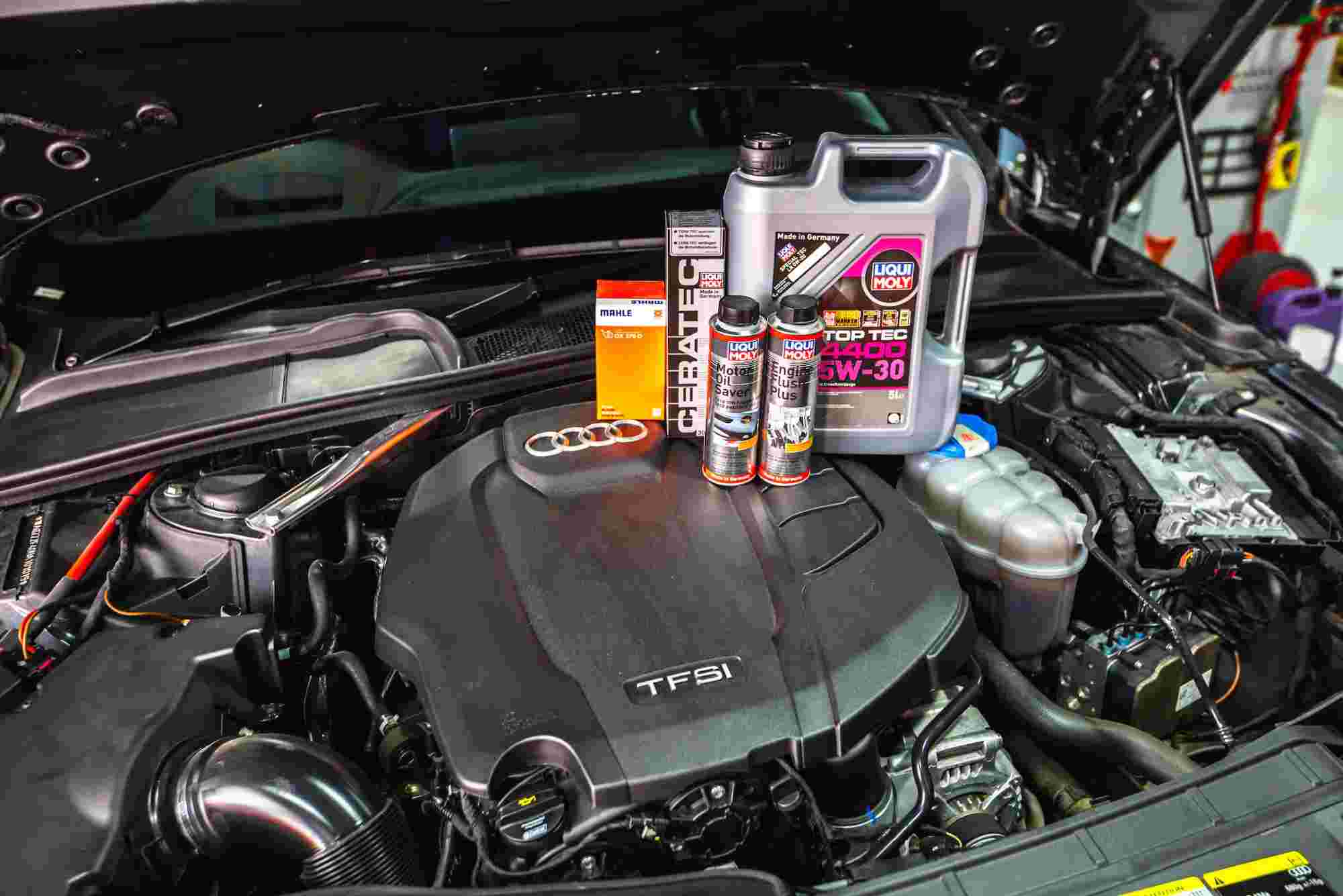
Audi TFSI Engine Problems: Common Issues and Solutions
The Audi TFSI engine is celebrated for its performance, efficiency, and smooth driving experience. However, like any high-performance engine, it is not immune to issues. Understanding Audi TFSI engine problems can save you time, money, and stress. In this guide, we explore the most common problems, their causes, and practical solutions to keep your Audi running at its best.
Common Audi TFSI Engine Problems
Engine Carbon Build-Up
One of the most frequently reported issues with TFSI engines is carbon build-up on intake valves. This happens because direct-injection engines spray fuel directly into the combustion chamber, bypassing the intake valves. Over time, oil and fuel residues accumulate, reducing engine efficiency. Drivers may notice rough idling, misfires, or a drop in fuel economy.
To prevent carbon build-up, regular cleaning or walnut blasting is recommended every 40,000 to 60,000 miles. Using high-quality fuel and following maintenance schedules also helps.
Timing Chain Tensioner Failure
TFSI engines use a timing chain to synchronize engine components. A faulty timing chain tensioner can cause chain slack, leading to engine noise or even severe engine damage. Common symptoms include rattling sounds at startup or low RPMs.
Replacing the timing chain tensioner at the first sign of wear is crucial. Audi dealerships or certified mechanics can perform this service, ensuring precise timing and engine longevity.
High Oil Consumption
Many TFSI engines are known for consuming more oil than expected. Causes include worn piston rings, valve seals, or turbocharger issues. Low oil levels can cause serious engine damage, so monitoring oil regularly is critical.

Using the recommended grade of oil and sticking to oil change intervals can reduce the risk. In some cases, Audi may offer service campaigns or fixes for engines with excessive oil consumption.
Water Pump and Thermostat Issues
Some Audi TFSI models have water pump and thermostat failures that cause overheating. A faulty water pump reduces coolant circulation, while a stuck thermostat prevents proper temperature regulation. Drivers may notice engine overheating, warning lights, or coolant leaks.
Replacing the water pump and thermostat as preventive maintenance can avoid costly repairs. Always use genuine or high-quality replacement parts.
Turbocharger Problems
Turbocharged TFSI engines can face issues such as turbo lag, oil leaks, or bearing wear. These problems reduce engine power and can cause unusual noises from the turbocharger. Common causes include poor oil quality, delayed oil changes, or excessive engine stress.
Proper maintenance, including regular oil changes and avoiding aggressive driving when the engine is cold, helps prolong turbo life. In severe cases, turbo replacement may be required.
Misfires and Ignition Coil Failure
Misfires in TFSI engines often relate to failing ignition coils or spark plugs. Misfires can lead to rough running, reduced power, or check engine lights. Ignition coils wear over time and may fail on individual cylinders.
Replacing faulty coils and spark plugs promptly ensures smooth performance. Using OEM parts guarantees reliability and reduces the risk of recurring misfires.
Fuel Injector Issues
Fuel injectors in TFSI engines may clog or leak, leading to poor fuel delivery. Symptoms include rough idling, hesitation during acceleration, or increased fuel consumption. Cleaning or replacing faulty injectors restores engine performance. Regular fuel system maintenance can prevent long-term damage.
PCV Valve Malfunction
The Positive Crankcase Ventilation (PCV) system helps regulate engine pressure and emissions. A malfunctioning PCV valve can cause oil leaks, rough idling, or excessive smoke from the exhaust.
Checking and replacing the PCV valve as part of routine maintenance improves engine health and prevents secondary problems like turbo damage or valve issues.
How to Prevent Audi TFSI Engine Problems
Stick to Regular Maintenance
Regular oil changes, air filter replacements, and scheduled inspections reduce wear on engine components. Following Audi’s service schedule keeps your TFSI engine running optimally.
Use High-Quality Fuel and Oil
Premium fuel and recommended synthetic oils improve combustion and lubrication, reducing carbon deposits and wear on engine parts.
Avoid Aggressive Driving When Cold
Turbocharged TFSI engines are sensitive to temperature. Avoid hard acceleration immediately after starting the engine to prevent premature wear.
Monitor Engine Performance
Pay attention to unusual sounds, vibrations, or dashboard warning lights. Early detection of problems can prevent costly repairs.
Signs You Need Immediate Attention
Warning Lights
Check engine or oil warning lights may indicate serious engine issues. Ignoring them can lead to major damage.
Unusual Noises
Rattling, knocking, or hissing sounds may signal timing chain issues, turbo problems, or coolant leaks.
Excessive Smoke or Oil Leaks
Blue or black smoke and visible oil leaks indicate underlying engine problems that require immediate servicing.
Poor Fuel Economy
A sudden drop in fuel efficiency may be caused by misfires, carbon deposits, or fuel injector problems.
Solutions and Repair Options
Professional Diagnostics
Audi-certified mechanics use advanced diagnostic tools to identify engine faults. This ensures accurate repairs rather than trial-and-error fixes.
Preventive Part Replacement
Replacing high-wear components like ignition coils, timing chain tensioners, or turbo seals before failure can save significant repair costs.
Engine Cleaning
Services like walnut blasting or professional fuel system cleaning remove carbon deposits, restoring engine efficiency and smooth operation.
Recalls and Service Campaigns
Check for any manufacturer recalls or service campaigns for your specific TFSI model. Audi often addresses recurring issues under warranty or goodwill repairs.
Understanding Audi TFSI engine problems is essential for maintaining performance and reliability. From carbon build-up to timing chain or turbo issues, early detection and proper maintenance can prevent costly repairs. Regular inspections, quality fuel and oil, and attention to warning signs keep your engine running smoothly.
If you own a TFSI engine, don’t wait for small issues to become major problems. Schedule a professional inspection today and keep your Audi performing at its peak.
FAQ
What are common Audi TFSI engine problems?
Common issues include carbon build-up, timing chain tensioner failure, high oil consumption, turbocharger problems, and misfires.
How do I fix carbon build-up in a TFSI engine?
Carbon build-up can be addressed with walnut blasting, professional intake cleaning, and regular use of high-quality fuel.
Why does my TFSI engine use so much oil?
Excessive oil consumption may be due to worn piston rings, valve seals, or turbo issues. Regular oil checks are essential.
How long do TFSI engines last?
With proper maintenance, TFSI engines can exceed 150,000 miles, though issues like timing chain or turbo wear may arise earlier.
Can I prevent TFSI engine problems?
Yes. Use recommended oils, maintain service schedules, monitor warning lights, and avoid aggressive driving when the engine is cold.
Related Reading: Austro Engine AE300 Price
Related Reading: Audi 2.7 T Engine Specs
Related Reading: Audi A3 Engine Type
Related Reading: B18 Engine HP
Related Reading: B230FT Engine — full guide
Related Reading: Airbus A320neo Engine — full guide
Related Reading: 997 Engine Rebuild — full guide