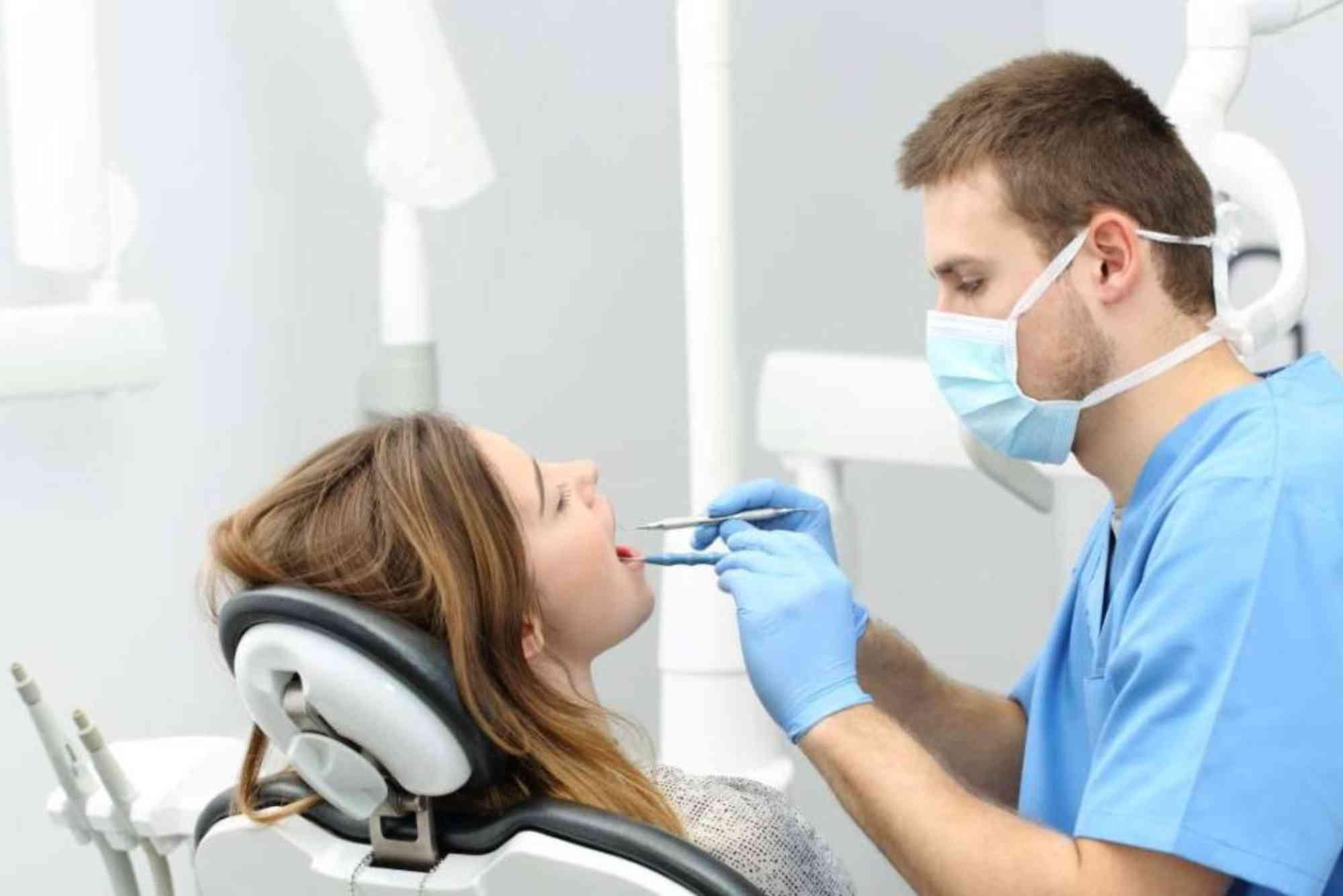
Dental crowns are designed to protect and restore weakened teeth. When they are placed correctly, they allow you to chew, smile, and speak comfortably. But a crown that doesn’t fit as it should can cause significant discomfort and even long-term oral health problems. Recognizing bad fitting crown symptoms early can make the difference between a simple adjustment and costly corrective treatments.
In this guide, you will discover how to identify signs of a poorly fitted crown, understand why these issues occur, and know when it’s time to call your dentist.
Why Fit Matters with Dental Crowns
A crown serves as a protective shell over a damaged or treated tooth. Its primary purpose is to restore function while maintaining the natural bite and appearance. If the crown does not sit correctly, the tooth underneath remains vulnerable. It can lead to pain, gum irritation, and even tooth decay.
Crowns need precise alignment with the rest of your teeth. Even a small misfit can disturb your bite, causing problems that extend beyond the tooth itself. That’s why dentists use detailed impressions, scans, and adjustments before final placement. When something goes wrong in that process, the patient often feels it first.
Bad Fitting Crown Symptoms You Shouldn’t Ignore
Many patients wonder how they can tell the difference between normal adjustment discomfort and an actual problem. The body usually sends signals when something is off. Paying attention to these bad fitting crown symptoms can save you from more complicated dental issues later.
Persistent Pain or Sensitivity
Some sensitivity after crown placement is normal. It often fades within a few days as the tooth adjusts. However, pain that lingers or worsens signals that the crown may not be seated properly. Pressure on the wrong spots of the tooth can irritate nerves, while an exposed margin can leave the inner tooth sensitive to hot, cold, or sweet foods.

If chewing causes sharp discomfort every time, it’s often a clue that your bite is misaligned due to the crown.
Swelling or Irritation of the Gums
Healthy gums should adapt smoothly around a new crown. When they don’t, swelling and redness may appear near the crown’s edge. This irritation can stem from excess cement trapped under the crown or from margins that extend too far into the gum line.
Ignoring these signs risks gum infection and, over time, may even cause gum recession around the crown.
Trouble with Your Bite
One of the most noticeable bad fitting crown symptoms is an uneven bite. If your teeth don’t come together as they used to, the crown might be too high or shaped incorrectly. This imbalance places strain on the jaw and surrounding teeth.
Left untreated, this misalignment can lead to headaches, jaw pain, and wear on nearby teeth.
Food Trapping Around the Crown
A well-fitting crown seals tightly against the natural tooth. If it doesn’t, food particles and plaque can collect in the gaps. Patients often report constant food getting stuck, which is both annoying and harmful.
This allows bacteria to flourish, raising the risk of decay under the crown or gum disease in the area.
Looseness or Movement
A crown should feel secure and stable. If it rocks, shifts, or feels loose when you bite, it’s not doing its job. Looseness usually means the cement has failed or the crown was never properly fitted.
Without correction, the crown can detach entirely, exposing the tooth beneath to damage.
Signs of Decay or Infection
Although crowns are artificial, the tooth underneath is still vulnerable. When a crown doesn’t seal tightly, bacteria can sneak inside. Decay may form beneath the crown unnoticed until pain, swelling, or infection emerges.
Symptoms such as bad breath, pus, or dark lines at the edge of the crown should never be ignored. These often indicate advanced decay or infection requiring urgent care.
Why Do Bad Fitting Crowns Happen?
Even with modern technology, mistakes and complications can happen. Sometimes impressions are inaccurate, leading to crowns that don’t match the tooth perfectly. In other cases, the crown material may not have been shaped correctly in the lab. Occasionally, the problem lies with the bite adjustment during placement, where even a fraction of a millimeter makes a difference.
Another common factor is natural change in teeth after crown placement. If surrounding teeth shift or gums recede, what once fit well may no longer feel comfortable.
The Risks of Ignoring Bad Fitting Crown Symptoms
Living with a poorly fitted crown is not just uncomfortable—it’s risky. Constant irritation of gums increases the chance of periodontal disease. A misaligned bite may strain the jaw joint, leading to chronic pain and headaches. Meanwhile, decay beneath the crown can spread silently until the tooth becomes unsalvageable.
The longer symptoms go untreated, the higher the chance of needing root canals, replacements, or even extractions. Acting promptly is not only better for your oral health but also more cost-effective.
What to Expect When You Seek Dental Help
When you report your symptoms, your dentist will usually start with an examination and bite test. They may take X-rays to check for decay beneath the crown or evaluate its positioning. If the crown itself is sound but sits too high, reshaping may be enough.
In cases where the crown does not seal properly, replacement may be necessary. Your dentist will also clean the area thoroughly to ensure no trapped debris or cement remains. With modern digital tools, replacement crowns can often be made with greater accuracy and comfort.
Preventing Bad Fitting Crown Problems
Prevention starts with choosing an experienced dentist who uses modern techniques for crown impressions and placement. Following aftercare instructions is equally important. Avoid chewing hard foods until your dentist confirms the crown has set correctly. Regular checkups allow your dentist to spot early warning signs before they become serious.
Good oral hygiene plays a role as well. Even a perfect crown can fail if plaque and bacteria build up around it. Brushing, flossing, and professional cleanings keep both crown and natural teeth in top condition.
Frequently Asked Questions
How do I know if my crown is not fitting right?
If you feel constant discomfort, uneven bite pressure, or gum irritation, these are strong indicators of a poor fit.
Is it normal for a crown to feel uncomfortable at first?
Mild sensitivity or pressure for a few days is common. Pain or discomfort beyond a week usually suggests a problem.
Can a bad fitting crown be fixed without replacement?
Yes, in some cases minor adjustments or bite reshaping resolve the issue. Severe misfits often require replacement.
What happens if I ignore a loose crown?
The crown may fall off, exposing your tooth to decay and damage. Prompt treatment prevents larger complications.
Can food getting stuck around a crown cause cavities?
Yes. Gaps around a crown trap food and bacteria, which can lead to decay beneath the crown.
Don’t Ignore the Warning Signs
A dental crown should restore your confidence and comfort, not create ongoing problems. If you experience pain, swelling, looseness, or other bad fitting crown symptoms, don’t wait. The sooner you address these signs, the easier and less costly the solution will be.
Your smile deserves care that feels natural and secure. If you suspect your crown isn’t right, schedule a dental appointment today. Taking action now protects not just the crowned tooth but your overall oral health.