The Secret Sour Ingredient of Filipino Dishes
Filipino cuisine is a treasure trove of unique flavors and ingredients. Among them, the batuan fruit stands out as a remarkable souring agent cherished in traditional recipes. This distinctive fruit offers a tangy punch that elevates many regional dishes, particularly in the Visayas region. If you love exploring Filipino flavors or want to understand what makes dishes like Kanduli and Laing so special, batuan fruit is a key ingredient you shouldn’t overlook.
In this article, we’ll dive deep into what batuan fruit is, how it’s used in Filipino cooking, its health benefits, and why it deserves a spot in your kitchen pantry.
What Is Batuan Fruit?
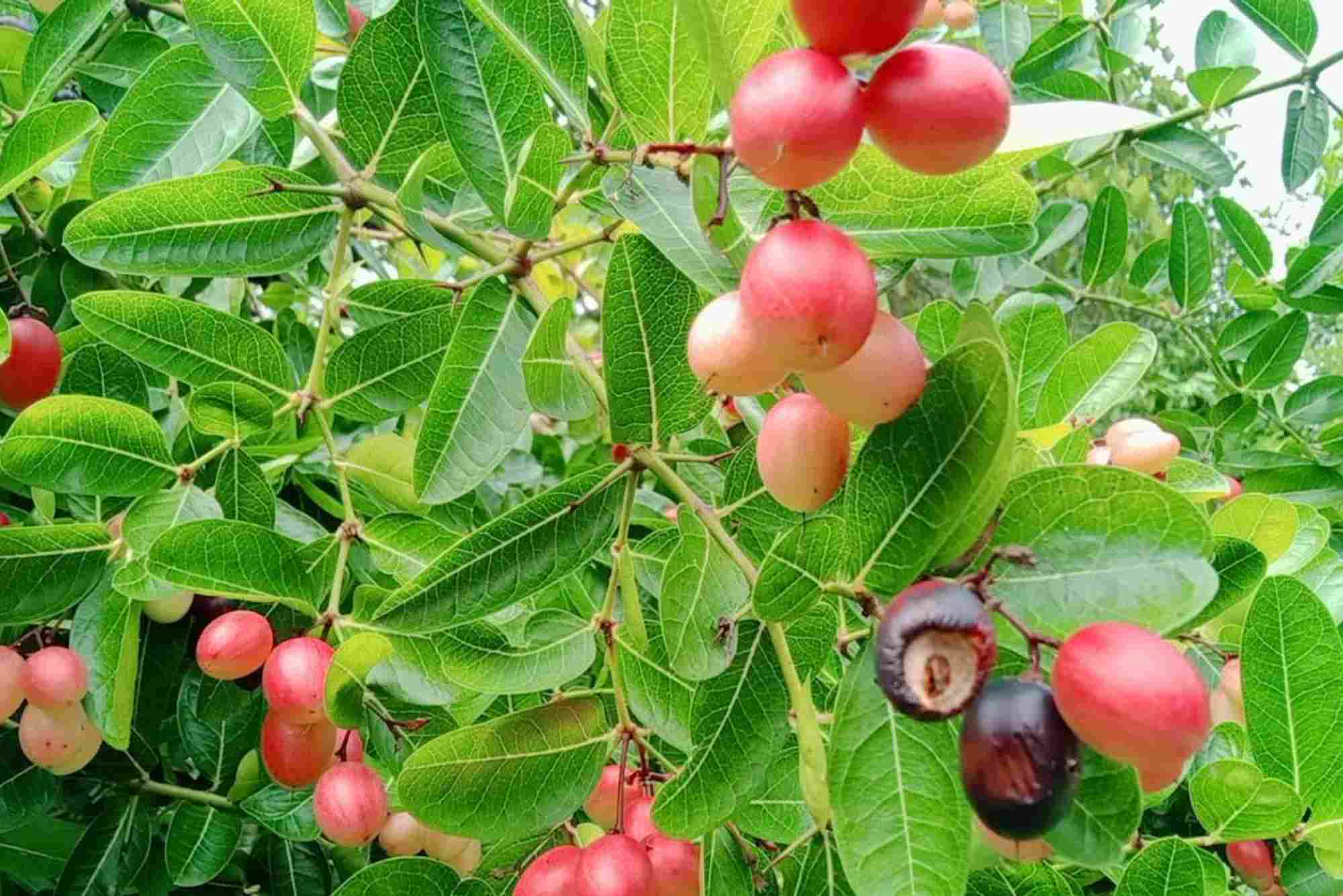
Batuan fruit, scientifically known as Garcinia binucao, is a small, round fruit native to the Philippines, especially abundant in the Visayas and Mindanao regions. Its size is roughly that of a cherry tomato, with a green to yellowish skin when ripe. What sets batuan apart is its naturally sour taste, making it a favored souring agent for many Filipino dishes.
Unlike the more commonly known calamansi or tamarind, batuan offers a subtler yet distinct acidity that complements savory dishes without overpowering other flavors.
Physical Characteristics and Growth
Batuan grows on medium-sized trees that thrive in tropical climates. The fruit appears in clusters, turning from green to a pale yellow when fully ripe. Its pulp is juicy but firm, and the seeds inside are usually large compared to the fruit’s size. Farmers harvest batuan fruit seasonally, often using it fresh or sun-dried for later use.
Why Is Batuan Fruit Important in Filipino Cuisine?
Filipino cooking often balances sweet, salty, bitter, and sour flavors. Sourness plays a critical role, enhancing the depth and brightness of dishes. While vinegar, tamarind, and calamansi are widespread souring agents, batuan fruit remains a regional secret, cherished for its unique tang.

The Sour Flavor That Defines Regional Dishes
In the Visayan region, batuan fruit is an essential ingredient for traditional recipes such as Kanduli (fish stew), Laing (taro leaves cooked in coconut milk), and Sinuglaw (a mix of grilled pork and ceviche-style raw fish). The fruit’s sourness balances the richness of coconut milk and the savoriness of meats and seafood, creating complex flavor profiles that delight the palate.
Using batuan gives these dishes a fresh, mild acidity that differs from the sharpness of vinegar or the tartness of tamarind. This subtle sourness is why batuan fruit is often called the “secret sour ingredient” of Filipino cooking.
How to Use Batuan Fruit in Cooking
Cooking with batuan fruit is straightforward but requires understanding its flavor potency. Fresh batuan is typically sliced or crushed to release its sour juice, which is then added to dishes during simmering or just before serving. This preserves the bright, tangy notes without making the dish overly sour.
Using Fresh vs. Dried Batuan
Many home cooks and chefs use dried batuan fruit when fresh ones are unavailable. Dried batuan can be rehydrated in warm water and the liquid strained into dishes to impart sourness. It offers the convenience of year-round use and a slightly more concentrated sour flavor.
Recipes Highlighting Batuan Fruit
One classic recipe is Kanduli sa Batuan, where batuan juice is simmered with fish, tomatoes, and aromatic herbs. The result is a balanced sour stew with a refreshing tang. Another popular dish is Laing, where batuan juice cuts through the creamy coconut milk, brightening the flavors.
If you want to try batuan fruit, look for local markets in the Philippines or specialty Asian grocery stores that may carry fresh or dried batuan.
Nutritional and Health Benefits of Batuan Fruit
Beyond flavor, batuan fruit contains antioxidants and vitamin C, which support immune health. Traditionally, it is believed to aid digestion and help reduce inflammation. Like many sour fruits, batuan may stimulate appetite and improve digestion due to its acidic content.
While scientific studies on batuan are limited, its close relatives in the Garcinia family have been researched for potential health benefits, including weight management and antioxidant properties.
Where to Find Batuan Fruit
Batuan fruit is native and primarily found in the Philippines, especially in Visayas and Mindanao. In other countries, it can be challenging to find fresh batuan. However, dried batuan or batuan powder might be available in Filipino specialty stores or online.
When buying batuan, look for fruits that are firm and free from blemishes. If dried, ensure it is clean and free from mold or excessive moisture.
Tips for Cooking with Batuan Fruit
- Add batuan gradually to your dish to control sourness.
- Combine batuan with other souring agents for unique flavor layers.
- Use batuan in stews, soups, and sauces to add a mild tang.
- Store fresh batuan in the refrigerator and dried batuan in an airtight container.
Why Batuan Fruit Should Be Your Next Culinary Discovery
Batuan fruit is a hidden gem in Filipino cuisine, offering a unique sour flavor that transforms everyday dishes into culinary delights. Whether you are a home cook or a professional chef eager to explore authentic Filipino flavors, batuan fruit is worth trying.
Its natural acidity enhances and balances the rich, savory, and creamy elements in Filipino cooking, especially in regional specialties. By adding batuan to your kitchen, you embrace a piece of Filipino culinary heritage that remains relatively unknown globally.
Start experimenting with batuan fruit today, and discover how this secret sour ingredient can brighten your cooking like never before.
Ready to bring authentic Filipino flavors into your kitchen? Try batuan fruit in your next recipe and share your delicious creations with us.
Frequently Asked Questions (FAQ)
What does batuan fruit taste like?
Batuan fruit has a unique sour and tangy flavor, less sharp than vinegar but distinctively refreshing.
How is batuan fruit used in Filipino dishes?
It is used as a souring agent in stews, soups, and coconut milk-based dishes to balance rich and savory flavors.
Can I substitute batuan fruit with tamarind or calamansi?
While tamarind and calamansi can be substitutes, batuan offers a milder, subtler sourness that is unique and hard to replicate exactly.
Where can I buy batuan fruit outside the Philippines?
Fresh batuan is rare outside the Philippines, but dried batuan or batuan powder may be found in Filipino specialty stores or online retailers.
Is batuan fruit healthy?
Batuan contains vitamin C and antioxidants and may aid digestion, though more research is needed on its health benefits.