Introduction
There is something captivating about beautiful abandoned houses. These forgotten structures stand as echoes of lives once lived, holding stories that linger in every cracked window and faded wall. While nature slowly reclaims them, their haunting presence continues to inspire photographers, travelers, and storytellers alike. What makes these places so mesmerizing is not just their decay, but the strange harmony between silence, history, and forgotten elegance. Exploring them offers a unique lens into the past and sparks the imagination with questions about what once happened behind those walls.
The Allure of Beautiful Abandoned Houses
Part of the magic of abandoned houses lies in their contradictions. They are both empty and full—vacant of people but overflowing with atmosphere. A once-grand staircase covered in dust, a piano sitting quietly in the corner, or wallpaper peeling away in delicate patterns all create an atmosphere that feels both unsettling and poetic. Unlike pristine landmarks or restored estates, these places whisper rather than shout. Their charm comes from imperfection, from the way time sculpts them into unintentional works of art.
Another reason these houses captivate us is the mystery they hold. We often wonder who lived there, what led to their departure, and how quickly life changed. The absence of clear answers makes them even more compelling. They invite curiosity and speculation, drawing us into narratives where imagination fills the gaps. In this way, beautiful abandoned houses are not simply ruins but living stories frozen in time.
Houses Where Time Stands Still
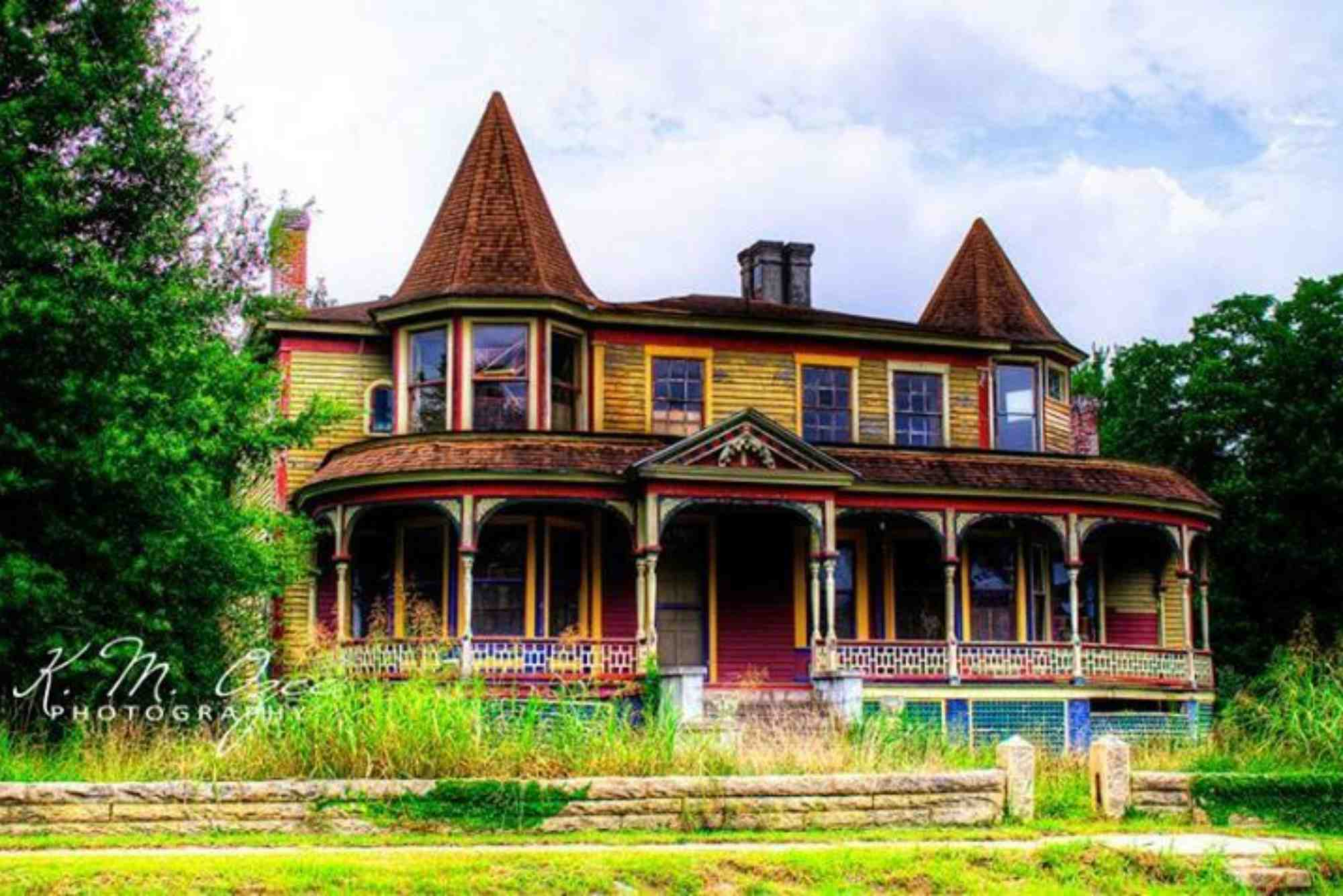
Around the world, abandoned houses carry the weight of history. In Europe, centuries-old manors stand silently in forgotten villages. In America, Victorian homes slowly surrender to ivy and dust. In Asia, colonial-era mansions bear the scars of political and cultural transitions. Each house represents a slice of history that was never fully erased, a visual reminder that time moves forward but never completely wipes away what came before.
Walking into one of these houses feels like stepping into a parallel world. Furniture often remains where it was last placed. Children’s toys may sit in forgotten corners. Paintings may hang crookedly, their colors muted but still recognizable. Every detail creates a profound sense of presence, as if the owners might return at any moment. This uncanny feeling is what makes abandoned houses so hauntingly beautiful—they feel alive in their silence.
The Role of Nature in Abandonment
One of the most fascinating aspects of beautiful abandoned houses is the way nature reclaims them. Ivy climbs through broken windows, moss carpets wooden floors, and trees sprout through roofs that once offered shelter. Instead of destroying these places, nature often enhances their beauty. The vibrant green of wild plants contrasts with crumbling stone and faded paint, creating a surreal harmony between decay and growth.

This union between human creation and natural takeover offers a deeper perspective. It reminds us that no matter how permanent we believe our structures to be, they eventually yield to the earth. In this way, abandoned houses are not only architectural relics but also philosophical symbols. They embody the fragile balance between human ambition and nature’s persistence.
Stories Hidden in the Walls
Every abandoned house carries its own mystery. Some were deserted due to economic collapse, others because of war, migration, or natural disasters. Still, others fell victim to changing social landscapes, where once-thriving communities dwindled over time. Behind each locked door is a narrative of human lives, interrupted but not erased.
Sometimes, the stories are whispered through objects left behind. A family photograph on a dusty mantel suggests moments of joy. Old newspapers hint at the concerns of the time. In some places, graffiti and modern footprints tell us that the house continues to attract visitors, adding new chapters to its story. This layering of past and present is part of what makes these structures endlessly fascinating.
Why We Are Drawn to Forgotten Places
Beautiful abandoned houses spark strong emotions because they reflect universal human experiences. We see beauty in their fragility because it mirrors our own lives. They remind us of impermanence, of how quickly the world can change, and of the importance of cherishing what we have now.
Photographers, artists, and filmmakers are especially captivated by these spaces. A single image of a ruined staircase or faded curtain can evoke entire narratives, inspiring creative work across genres. Travelers who explore such places often describe a deep sense of connection, as though the house itself is sharing its secrets. Even those who never visit in person find themselves enchanted by photographs and stories, drawn to the haunting balance of loss and beauty.
Preservation or Decay?
The fate of abandoned houses raises important questions. Some argue that these places should be preserved, restored, or repurposed to protect cultural history. Others believe their beauty lies precisely in their decay, and that preservation would erase their haunting charm. There is no easy answer. Each abandoned house sits at the crossroads of heritage and entropy, forcing us to consider how much of the past we can and should keep alive.
In some cases, communities have restored old houses into museums or cultural centers. In others, governments have left them untouched, allowing nature to continue its quiet work. Either path creates meaning: one by preserving memory, the other by showing the inevitability of change.
The Emotional Impact of Abandoned Beauty
For many people, standing inside a deserted house stirs deep emotions. Some describe feelings of melancholy, as though they are intruding upon forgotten lives. Others feel a sense of peace, surrounded by silence and history. A few even find hope in the resilience of these places, where beauty endures despite neglect.
This emotional impact explains why images of abandoned houses spread widely online and why they resonate across cultures. They appeal to something fundamental in us—the desire to understand the passage of time and the persistence of beauty even in unexpected places.
The Timeless Appeal of Abandoned Houses
Beautiful abandoned houses remind us that history is never truly gone. They show us how architecture, memory, and nature intertwine in hauntingly beautiful ways. Each cracked wall and weathered floorboard holds stories that transcend generations, inviting us to reflect on both the fragility and endurance of human presence.
Whether preserved or left to crumble, these houses will continue to inspire. They are living testaments to the power of mystery, history, and imagination. The next time you see an image of a forgotten home, let yourself wonder about the stories hidden within its walls.
FAQs About Beautiful Abandoned Houses
Why are abandoned houses considered beautiful?
Their beauty lies in the contrast of decay and history, with time and nature transforming them into haunting works of art.
Are abandoned houses dangerous to explore?
Yes, they can be. Many have structural damage, mold, or unstable flooring. Always take precautions or admire from a safe distance.
Why do people leave houses behind?
Abandonment often happens due to financial hardship, war, natural disasters, or shifts in communities and economies.
Can abandoned houses be restored?
Yes, though restoration depends on structural stability and funding. Some are revived as museums, while others remain ruins.
What makes abandoned houses so fascinating to photographers?
The blend of mystery, texture, and atmosphere creates powerful visuals that spark imagination and emotional connection.