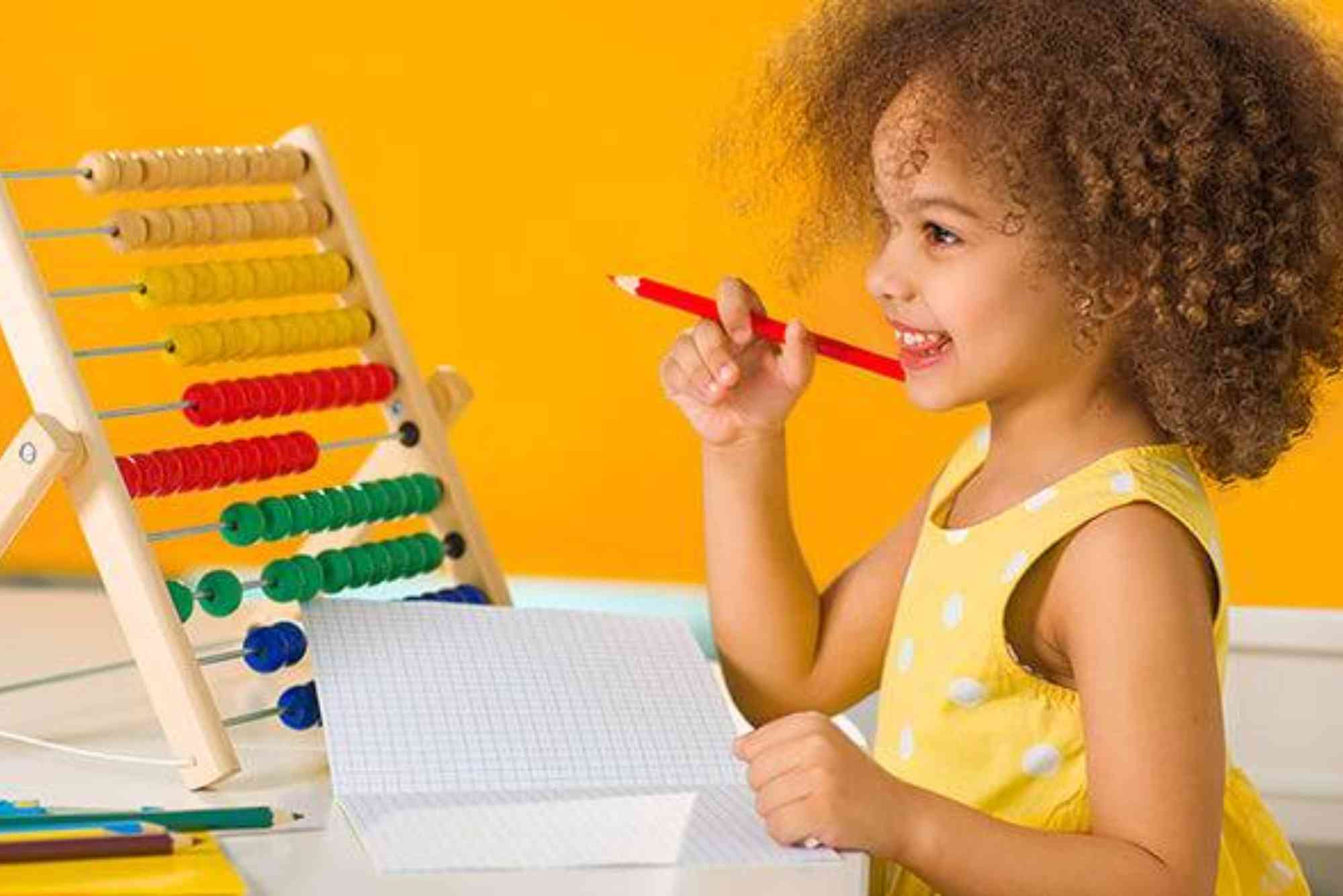
Best Educational Toys for 6-Year-Olds: A Parent’s Guide
Choosing the right toys for a 6-year-old is more than just fun—it’s an investment in their development. The best educational toys for 6 year olds help children improve cognitive skills, foster creativity, and encourage social interaction. At this age, children are curious, eager to explore, and ready to tackle new challenges. Parents can guide this exploration by selecting toys that blend entertainment with learning.
Why Educational Toys Matter at Age Six
Educational toys play a crucial role in a child’s growth. At six, children are refining their problem-solving skills and developing logical thinking. Toys that encourage creativity, experimentation, and reasoning help solidify these abilities. Additionally, well-chosen toys can improve fine motor skills, hand-eye coordination, and early literacy or math understanding.
Cognitive Development
Toys that challenge thinking skills, like puzzles or logic games, strengthen memory and attention span. They also encourage children to solve problems independently, building confidence.
Social and Emotional Growth
Group activities and interactive toys teach children how to cooperate, share, and communicate. They develop empathy and learn to express emotions through play.
Creativity and Imagination
Arts, building blocks, and role-playing toys spark imagination. These activities help children think outside the box and nurture storytelling abilities.
Features to Look for in the Best Educational Toys for 6 Year Olds
Not all toys are equally beneficial. When selecting toys, parents should consider the following:

Age-Appropriate Complexity
A toy should challenge but not frustrate. At six, children can handle multi-step instructions and simple strategy games.
Skill Development
Choose toys that target specific skills, such as math, literacy, science, or coordination. Learning through play is more effective when it is engaging and relevant.
Durability and Safety
Look for high-quality materials that can withstand rough play. Safety certifications are essential to avoid choking hazards or toxic substances.
Encouragement of Creativity
Toys that allow children to design, build, or customize help foster original thinking and self-expression.
Engagement and Replay Value
Toys that can be used in multiple ways keep children interested longer. Open-ended toys like blocks or magnetic sets are ideal.
Types of Educational Toys for 6-Year-Olds
Educational toys come in various forms. Selecting the right type depends on your child’s interests and learning style.
Building and Construction Toys
Building sets encourage spatial awareness and problem-solving. Children learn balance, planning, and creativity.
Benefits
- Enhances fine motor skills
- Improves logical thinking
- Promotes imaginative play
STEM Toys
Science, Technology, Engineering, and Math toys provide hands-on learning experiences. Kits that involve experiments or simple robotics teach scientific concepts in a fun way.
Benefits
- Develops analytical skills
- Introduces coding or engineering basics
- Sparks curiosity about the natural world
Art and Craft Kits
Art supplies and craft kits allow children to explore colors, textures, and shapes. These activities nurture creativity and patience.
Benefits
- Improves hand-eye coordination
- Encourages self-expression
- Teaches planning and sequencing
Puzzles and Logic Games
Puzzles, memory games, and board games enhance problem-solving and reasoning skills. They also improve attention span and strategic thinking.
Benefits
- Strengthens memory
- Encourages critical thinking
- Teaches perseverance
Literacy and Math Toys
Alphabet games, number-based toys, and interactive storybooks make early learning engaging. They support reading and numeracy in an enjoyable way.
Benefits
- Builds early literacy and math skills
- Encourages independent learning
- Boosts confidence in academics
Role-Playing and Pretend Play
Dolls, play kitchens, and costumes allow children to explore social roles and situations. Pretend play develops empathy and communication.
Benefits
- Enhances social skills
- Encourages imaginative thinking
- Promotes emotional understanding
Tips for Maximizing Learning Through Play
Buying educational toys is just the first step. How children interact with them determines the learning outcome.
Participate in Play
Join your child in building, crafting, or experimenting. Guided play can introduce new concepts and encourage curiosity.
Rotate Toys Regularly
Changing toys periodically keeps playtime fresh and prevents boredom. It also allows children to explore new skills.
Focus on Open-Ended Play
Toys that offer multiple possibilities encourage creativity and problem-solving rather than single-solution outcomes.
Encourage Reflection
Ask your child to explain their thought process. This reinforces learning and boosts communication skills.
Balance Education and Fun
While learning is important, the main goal is to make play enjoyable. Children absorb knowledge best when they are having fun.
FAQ About Best Educational Toys for 6-Year-Olds
What are the best types of toys for a 6-year-old?
The best toys include building sets, STEM kits, puzzles, art supplies, and role-playing toys. They develop cognitive, social, and creative skills.
How do I know if a toy is educational?
Look for toys that challenge thinking, promote problem-solving, encourage creativity, or introduce academic concepts like numbers and letters.
Are electronic toys good for learning?
Yes, but moderation is key. Interactive apps and educational games can support learning if they are age-appropriate and screen time is balanced.
How much should I spend on educational toys?
Invest in quality over quantity. Durable, versatile toys that can grow with your child are more valuable than multiple inexpensive options.
Can educational toys help with school readiness?
Absolutely. Toys that encourage literacy, math, and critical thinking skills prepare children for the structured learning environment of school.
Selecting the best educational toys for 6 year olds is about striking a balance between learning and fun. By choosing toys that challenge, inspire, and engage, parents can foster development across multiple skills while keeping playtime enjoyable. Remember to involve your child in the process and focus on toys that encourage creativity, problem-solving, and social interaction.