Becoming a Biomedical Scientist: Educational Requirements
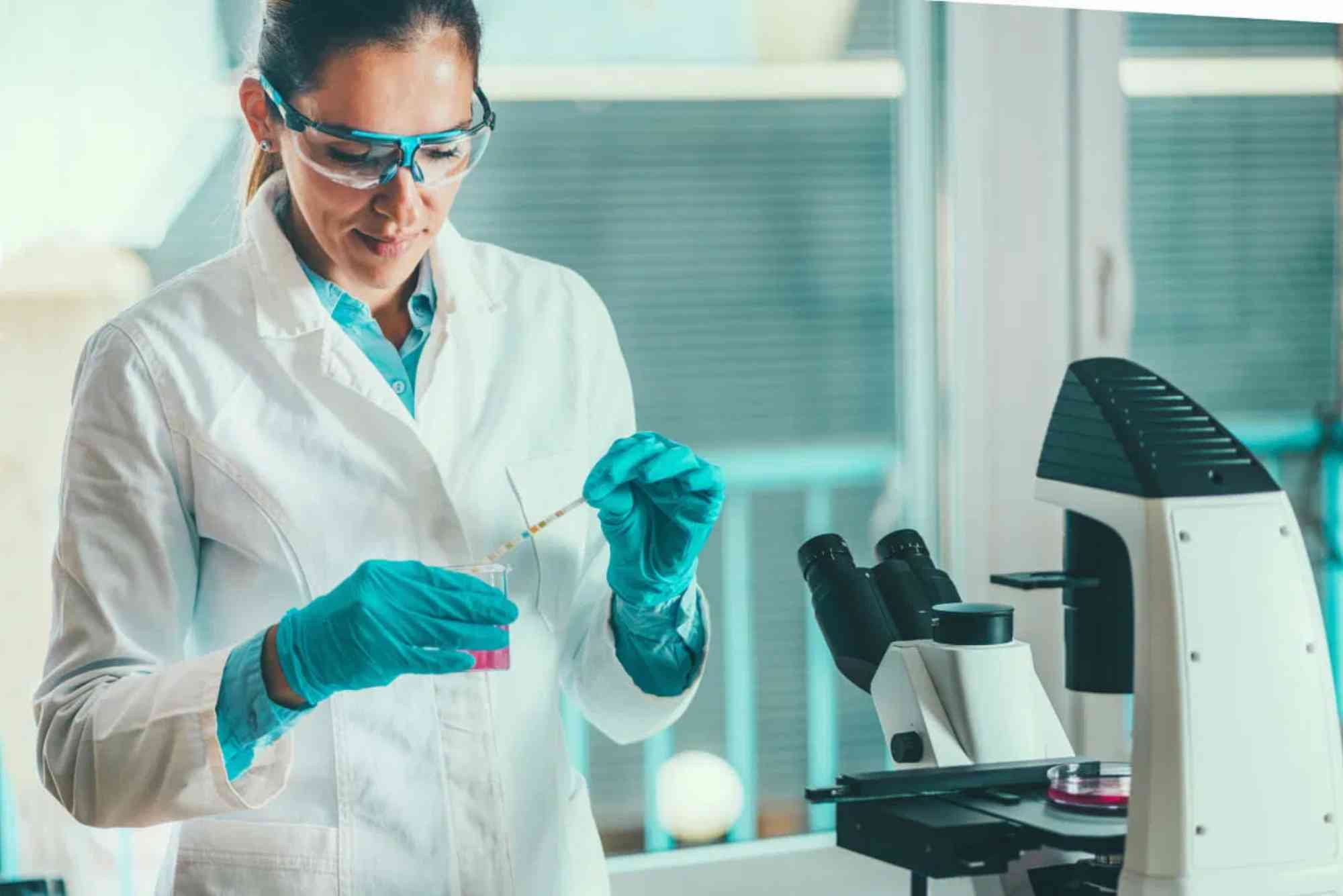
The field of biomedical science is at the forefront of medical research, diagnostics, and healthcare innovation. For those passionate about understanding human biology, diseases, and treatment development, pursuing a career as a biomedical scientist can be incredibly rewarding. Central to this career is biomedical scientist education, which equips professionals with the knowledge and skills necessary to make meaningful contributions to science and healthcare.
Understanding the Role of a Biomedical Scientist
Biomedical scientists play a crucial role in analyzing samples, conducting experiments, and supporting clinical decision-making. They work in hospitals, research labs, and biotech companies, focusing on areas like immunology, microbiology, and molecular biology. Success in this profession requires both technical expertise and a strong educational foundation.
Key Responsibilities
- Conduct laboratory tests on blood, tissue, and other samples
- Identify pathogens and analyze patient specimens
- Support research projects and clinical trials
- Maintain laboratory equipment and ensure safety protocols
- Interpret data to inform medical decisions
Understanding these responsibilities helps aspiring professionals realize the importance of a structured education and specialized training.
Core Educational Pathways
To become a biomedical scientist, individuals must pursue specific academic qualifications. The educational journey typically involves undergraduate, postgraduate, and practical training.
Undergraduate Degree
A bachelor’s degree in biomedical science or a related field such as biology, biochemistry, or molecular biology is the foundation. During undergraduate studies, students learn essential topics, including:
- Human anatomy and physiology
- Genetics and molecular biology
- Microbiology and immunology
- Laboratory techniques and data analysis
Many universities offer accredited programs that combine theoretical knowledge with hands-on laboratory experience. Choosing an accredited program is critical, as it ensures eligibility for certification and professional recognition.

Postgraduate Studies
While a bachelor’s degree may qualify candidates for entry-level positions, many biomedical scientists pursue a master’s degree or Ph.D. to specialize in research or clinical practice. Postgraduate education allows professionals to:
- Focus on specific research areas, like oncology or virology
- Develop advanced laboratory and analytical skills
- Conduct independent research projects
- Enhance career prospects in academia or specialized labs
Professional Certification and Licensing
In many countries, biomedical scientists must obtain professional certification to practice. Certification often requires:
- Completion of a recognized educational program
- Practical training or internships in accredited laboratories
- Passing professional exams and assessments
Professional recognition demonstrates competency, increases job opportunities, and is often required for clinical roles in hospitals.
Essential Skills Developed Through Education
Biomedical scientist education not only covers academic content but also fosters critical skills necessary for success in the field.
Laboratory and Technical Skills
Hands-on lab work is integral to the curriculum. Students learn to:
- Use advanced laboratory equipment accurately
- Perform experiments under strict safety protocols
- Record and analyze scientific data effectively
These skills are vital for both research and clinical diagnostics.
Analytical and Problem-Solving Abilities
Biomedical scientists must interpret complex data, identify anomalies, and make informed decisions. Education emphasizes:
- Critical thinking and reasoning
- Problem-solving in real-world scenarios
- Application of scientific principles to research questions
Communication and Teamwork
Working in labs or hospitals requires clear communication. Education often includes:
- Writing scientific reports and research papers
- Presenting findings to peers and supervisors
- Collaborating with multidisciplinary teams
Strong communication ensures findings are understood and applied effectively in medical settings.
Practical Experience: The Bridge Between Education and Career
Academic knowledge alone is not enough. Practical experience through internships, lab placements, or clinical attachments is essential. These experiences allow students to:
- Apply theoretical knowledge in real-life situations
- Gain familiarity with laboratory procedures and equipment
- Build professional networks for career advancement
Many accredited programs integrate practical training as a mandatory component, ensuring graduates are ready for professional challenges.
Specializations Within Biomedical Science
Biomedical science is a diverse field, and education can guide students toward specific areas of expertise. Common specializations include:
Clinical Biochemistry
Focuses on analyzing bodily fluids to diagnose diseases such as diabetes or kidney disorders.
Hematology
Centers on blood disorders, including anemia, leukemia, and clotting problems.
Microbiology
Involves studying microorganisms like bacteria, viruses, and fungi to understand infections and treatments.
Molecular Biology and Genetics
Explores genes, DNA, and cellular processes to advance research in personalized medicine and genetic disorders.
Each specialization may have additional educational requirements, such as targeted coursework, research projects, or specialized laboratory training.
Career Advancement Through Continued Education
The biomedical science field values continuous learning. Professionals often pursue:
- Short courses in emerging technologies
- Workshops on new laboratory techniques
- Advanced degrees to enter research or leadership positions
Lifelong learning ensures professionals remain competitive and capable of contributing to scientific advancements.
Taking the First Step
Pursuing a career as a biomedical scientist requires a strong educational foundation, practical experience, and ongoing professional development. By following the outlined pathways in biomedical scientist education, aspiring scientists can confidently enter this dynamic field.
Whether your goal is to work in cutting-edge research or support clinical diagnostics, the journey begins with a commitment to learning and gaining hands-on experience. Start exploring accredited programs today and take the first step toward a fulfilling career in biomedical science.
FAQ: Biomedical Scientist Education
What degree do I need to become a biomedical scientist?
A bachelor’s degree in biomedical science or a related field is typically required. Advanced degrees enhance specialization.
Can I become a biomedical scientist without a master’s degree?
Yes, entry-level positions are available with a bachelor’s degree, but postgraduate studies open more career opportunities.
Is laboratory experience necessary for biomedical science education?
Absolutely. Practical lab experience is crucial for applying theoretical knowledge and developing technical skills.
How long does it take to complete biomedical scientist education?
Typically, a bachelor’s degree takes 3–4 years, a master’s 1–2 years, and a Ph.D. 3–5 years. Certification and training add additional time.
What are the main skills developed through biomedical scientist education?
Key skills include laboratory techniques, data analysis, critical thinking, communication, and teamwork.
Are certifications required to work as a biomedical scientist?
In many countries, professional certification or licensing is required to practice in clinical settings.