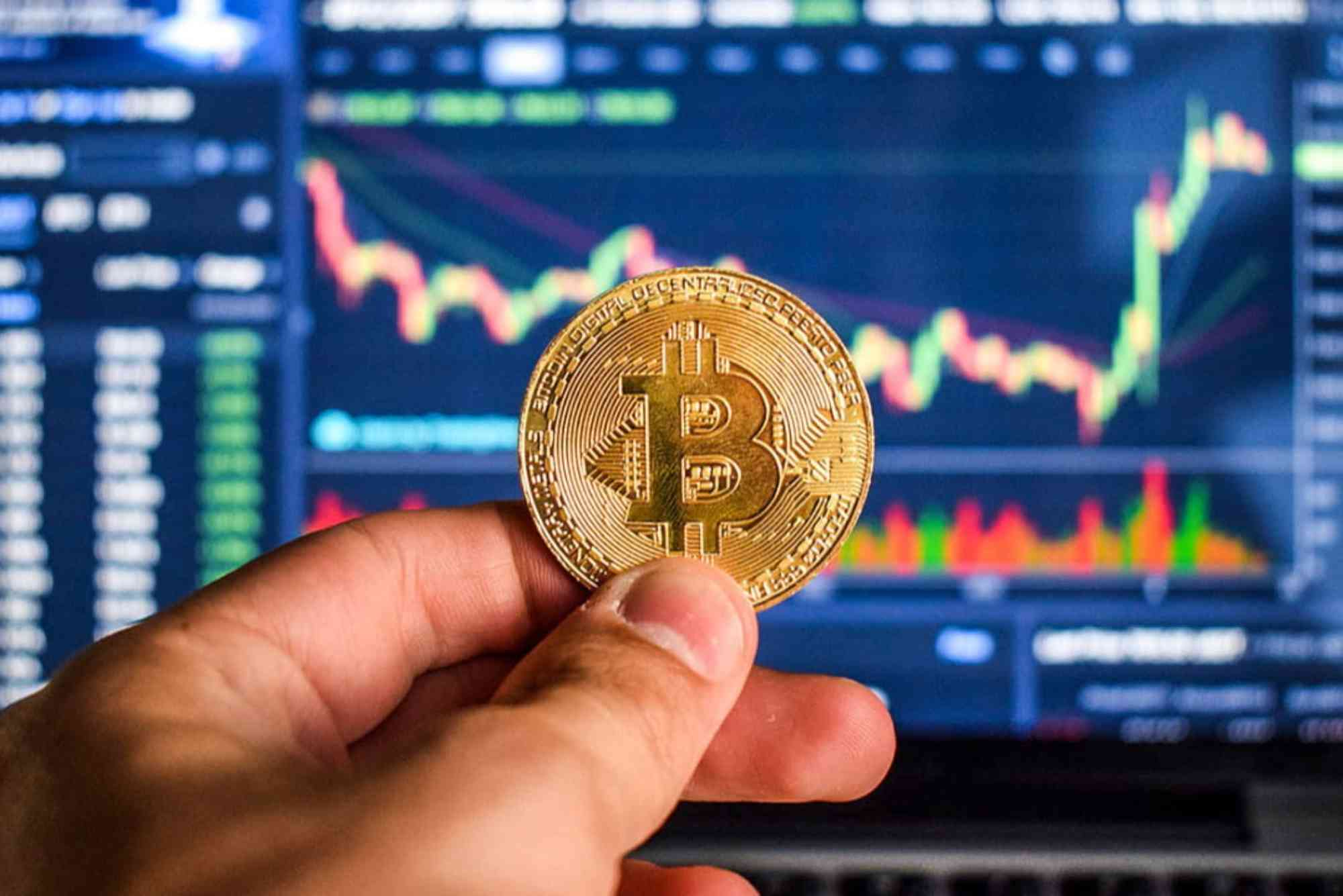
Bitcoin has transformed from a niche digital experiment into a global financial force. As the world’s first and most recognized cryptocurrency, it offers a decentralized way to store and transfer value. But for anyone entering the crypto space, understanding how a bitcoin exchange works is essential. Whether you’re buying your first satoshi or managing a growing digital portfolio, the exchange you choose plays a crucial role in your success and security.
Understanding What a Bitcoin Exchange Is
A bitcoin exchange is a digital platform that allows users to buy, sell, and trade bitcoin for other cryptocurrencies or fiat currencies like dollars, euros, or yen. In essence, it functions as a marketplace where supply meets demand, but unlike traditional stock markets, it operates 24/7. Each exchange has its own system for managing trades, fees, and security measures, which can vary widely depending on its structure and jurisdiction.
Exchanges can be centralized or decentralized. Centralized exchanges act as intermediaries, handling transactions on behalf of users. They often provide high liquidity and ease of use, making them attractive to newcomers. Decentralized exchanges, on the other hand, allow peer-to-peer trading without a central authority. While they enhance privacy and reduce the risk of hacks, they may have lower liquidity and more complex interfaces.
How Bitcoin Exchanges Work
When you register on a bitcoin exchange, you usually start by verifying your identity. This step, known as KYC (Know Your Customer), helps prevent fraud and money laundering. Once verified, you can deposit funds using a bank transfer, credit card, or even another cryptocurrency.
After funding your account, you can place an order to buy or sell bitcoin. Exchanges use an order book system that matches buyers with sellers. A “market order” executes immediately at the current market price, while a “limit order” lets you set a preferred price. When your order matches with another user’s, the trade is completed, and your balance updates instantly.
The exchange earns money through fees — typically a small percentage of each trade, withdrawal, or deposit. Some platforms also offer advanced tools such as margin trading, futures, and staking, giving users more flexibility in managing their crypto assets.

Choosing the Right Bitcoin Exchange
Selecting a reliable bitcoin exchange is crucial. Your decision should balance safety, accessibility, and usability. While many exchanges promise competitive rates and cutting-edge features, not all deliver on their claims. The first consideration should always be security. A good exchange implements strong encryption, two-factor authentication, and cold storage for funds.
The second factor is transparency. Reputable exchanges publish information about their team, licenses, and trading volume. If an exchange hides its location or ownership, that’s a red flag. Equally important are fees and trading conditions. Some exchanges have low trading fees but high withdrawal costs. Others offer discounts for high-volume traders or those using native tokens. Understanding these differences helps you avoid unpleasant surprises.
User experience also matters. A clean interface and responsive support team make trading smoother, especially for beginners. You should also check whether the exchange supports your local currency and offers payment methods that suit you. Some exchanges cater primarily to professional traders, while others focus on accessibility and education.
Security and Regulation
Security remains one of the most critical concerns in the crypto ecosystem. Over the years, several high-profile hacks have led to massive losses, reminding investors of the risks. A trustworthy bitcoin exchange prioritizes user safety through multiple layers of protection. This includes multi-signature wallets, withdrawal limits, and real-time monitoring for suspicious activity.
Regulation also plays a key role in building trust. While the crypto world began with the ideal of decentralization, most reputable exchanges now comply with national and international laws. Licensed exchanges must adhere to anti-money-laundering (AML) standards, maintain reserves, and cooperate with regulators. Compliance not only protects users but also helps the industry mature.
When choosing an exchange, check whether it holds regulatory approval in your country. Compliance with local laws can provide legal recourse if something goes wrong. Avoid unlicensed platforms that operate in regulatory grey zones, as they often lack accountability and customer protection.
The Role of Liquidity
Liquidity refers to how easily you can buy or sell bitcoin without affecting its price. A bitcoin exchange with high liquidity ensures smoother transactions and tighter spreads between buying and selling prices. This means you can execute trades quickly and at fair market rates.
Low liquidity, by contrast, can result in price slippage — when your order executes at a different price than expected. This is particularly concerning for large transactions. Therefore, professional traders often prefer exchanges with high daily trading volumes, as they provide more stability and reliability.
Liquidity also affects the overall market’s efficiency. Exchanges that maintain deep liquidity pools contribute to more accurate price discovery and fairer trading conditions for everyone.
Fees and Hidden Costs
Every bitcoin exchange charges fees, but the structure can differ widely. Trading fees are usually expressed as a percentage of each transaction and may decrease as your trading volume increases. There are also deposit and withdrawal fees, which can vary based on the method used.
Some exchanges include hidden costs that aren’t immediately obvious. For example, they might offer zero trading fees but compensate with higher spreads or withdrawal charges. Always review an exchange’s fee schedule before signing up. Transparent exchanges make their costs easy to find and understand.
Understanding how these fees affect your profits is essential, especially if you trade frequently. Over time, even small differences can significantly impact your overall returns.
The Importance of User Experience
A good bitcoin exchange should make trading simple and intuitive. Clear navigation, responsive design, and fast execution times improve the overall experience. Many exchanges now offer mobile apps, allowing users to monitor prices, manage funds, and trade on the go.
Beyond usability, customer support is another vital factor. In an industry that operates around the clock, reliable support can make a big difference. Exchanges with responsive support teams can resolve issues before they become serious problems. Look for platforms that offer live chat, multilingual assistance, and a strong community presence.
Educational resources also enhance the user experience. Some exchanges provide learning centers, tutorials, and demo accounts to help users understand market trends and trading strategies. This educational focus encourages informed trading rather than speculation.
Trading Strategies and Market Behavior
Trading on a bitcoin exchange involves more than buying low and selling high. Market psychology plays a significant role. Price movements often reflect collective sentiment, influenced by news, regulations, and technological developments.
Long-term investors, often called “HODLers,” buy bitcoin with the expectation that its value will rise over time. They tend to focus on security and storage rather than short-term gains. Active traders, however, rely on technical analysis to identify patterns and profit from volatility. Each approach carries different risks and rewards.
Regardless of your strategy, emotional discipline is key. Bitcoin’s volatility can tempt traders into impulsive decisions. Sticking to a clear plan helps manage risk and maintain perspective.
The Future of Bitcoin Exchanges
The bitcoin exchange industry continues to evolve. With growing institutional interest and global adoption, exchanges are becoming more sophisticated. Many are integrating artificial intelligence to detect fraud, optimize trading, and enhance user experience.
Regulation is also shaping the future landscape. Governments worldwide are working to establish clearer frameworks, which could bring more legitimacy and investor protection. Meanwhile, the rise of decentralized finance (DeFi) is pushing innovation further, creating hybrid models that blend security with flexibility.
Sustainability and energy efficiency are becoming key considerations as the industry matures. Exchanges that adopt eco-friendly technologies or support renewable energy projects will likely gain favor among environmentally conscious users.
Common Mistakes to Avoid
New traders often rush into the market without understanding how exchanges operate. A frequent error is ignoring security practices. Storing large amounts of bitcoin on an exchange can be risky. Once you buy, consider transferring your funds to a secure wallet.
Another mistake is chasing hype. Cryptocurrency markets are filled with noise, and prices can change dramatically in short periods. Always research before acting on news or social media trends. Finally, never invest more than you can afford to lose. Even with a trustworthy exchange, the market remains unpredictable.
FAQ: Common Questions About Bitcoin Exchanges
What is the safest bitcoin exchange?
The safest exchanges are those with strong regulatory oversight, transparent operations, and advanced security measures like cold storage and two-factor authentication.
Can I buy bitcoin without verification?
Some decentralized exchanges allow trading without full verification, but they may limit transaction sizes or access to fiat currencies.
How do bitcoin exchange fees work?
Most exchanges charge a small fee per trade, along with withdrawal or deposit fees depending on your payment method.
What happens if a bitcoin exchange shuts down?
If an exchange closes suddenly, users may lose access to their funds, especially if the exchange was unregulated or insolvent. Always use reputable platforms and withdraw long-term holdings to personal wallets.
Is it better to use a centralized or decentralized exchange?
Centralized exchanges offer ease of use and liquidity, while decentralized ones provide more privacy and control. The best choice depends on your priorities and experience level.
Take Control of Your Crypto Journey
A bitcoin exchange is the gateway to the cryptocurrency world. It determines how you buy, sell, and safeguard your assets. Choosing wisely means prioritizing security, transparency, and user experience over hype or convenience.
As digital finance continues to evolve, understanding how exchanges function will empower you to make informed decisions. Whether you’re a beginner or an experienced trader, knowledge remains your best investment.