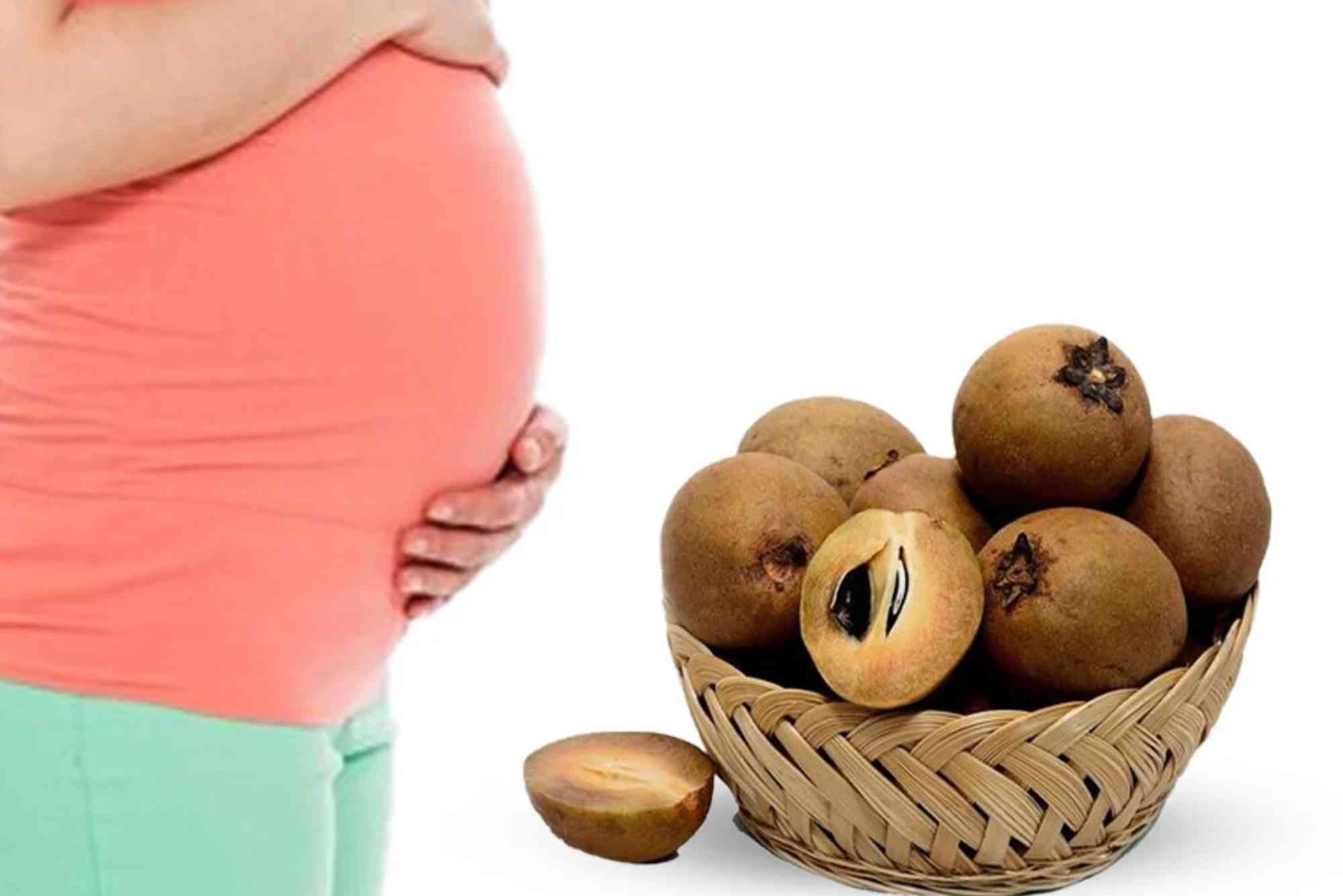
Pregnancy is a transformative time. Nutrition becomes a top priority, and expectant mothers often question the safety of their favorite fruits. Among them, chiku fruit—also known as sapodilla or sapota—often sparks curiosity. Is it safe? Can it actually offer benefits to pregnant women? In this guide, we’ll explore the chiku fruit benefits in pregnancy, separate fact from myth, and help you decide if it belongs in your prenatal diet.
What Is Chiku Fruit?
Chiku is a tropical fruit native to Central America but widely grown in India, Pakistan, and Southeast Asia. With a sweet, malty taste and grainy texture, it’s a common household favorite. Nutritionally, it’s packed with vitamins A, C, E, potassium, iron, and dietary fiber—an impressive profile for such a simple fruit.
Understanding what goes into your body during pregnancy is crucial. So, let’s dive into the actual impact of chiku on maternal health.
Is Chiku Fruit Safe During Pregnancy?
Yes, chiku fruit is generally safe during pregnancy when consumed in moderation. It is non-toxic, natural, and free from harmful substances. However, like any food, it’s important to balance quantity and timing, especially if you have gestational diabetes or digestive sensitivities.
Chiku Fruit Benefits in Pregnancy
The nutritional content of chiku offers several advantages for expectant mothers. Here’s a breakdown of how it supports different aspects of maternal health.
Supports Digestive Health
Constipation is a common issue during pregnancy, especially in the third trimester. Chiku is rich in dietary fiber, which promotes smooth bowel movements and supports gut health. Its natural sugars also act as mild laxatives, making digestion easier without the need for medication.

Natural Energy Booster
Pregnancy often brings fatigue and sluggishness. The natural sugars in chiku—fructose and sucrose—offer a quick, clean energy boost without processed ingredients. It can help stabilize your blood sugar, especially when paired with other fibrous foods.
Boosts Immunity
Chiku is high in vitamin C, a crucial antioxidant that helps the body ward off infections. During pregnancy, your immune system is slightly suppressed. Including chiku in your diet may give you added resistance against common colds and minor infections.
Promotes Healthy Fetal Development
Chiku provides vitamin A and B-complex vitamins, including folate, which supports fetal brain and neural development. Folate is essential in preventing neural tube defects, especially in the first trimester. While chiku isn’t a folate powerhouse, it adds a complementary dose to your diet.
Eases Nausea and Morning Sickness
The fruit’s mild sweetness and calming properties may help ease nausea. Chilled chiku puree or a small serving of the ripe fruit in the morning can provide relief without upsetting the stomach.
Enhances Bone Health
The presence of calcium, phosphorus, and iron in chiku supports the bone health of both the mother and developing baby. These minerals contribute to skeletal development and help reduce the risk of anemia, which is common in pregnant women.
How Much Chiku Is Safe to Eat?
Moderation is key. One medium-sized chiku per day or a few slices a few times per week is generally considered safe. Overeating can lead to excess sugar intake, which might spike blood glucose—something to avoid if you have or are at risk for gestational diabetes.
Consult your healthcare provider, especially if you’re on a regulated diet or managing pregnancy-related conditions.
When to Avoid Chiku Fruit
While the chiku fruit benefits in pregnancy are notable, there are times when caution is needed.
If You Have Gestational Diabetes
Chiku is naturally high in sugar. Although it contains fiber, it may not be ideal for women with gestational diabetes unless carefully monitored. In such cases, opt for fruits with a lower glycemic index.
If You Experience Loose Stools
For some, chiku’s laxative properties may be too strong, especially when consumed in large amounts. If you’re already experiencing diarrhea or soft stools, it’s best to pause consumption.
If You Have Fruit Allergies
Though rare, some individuals may be allergic to chiku. Watch for signs such as itching, swelling, or shortness of breath after consumption. Always consult a doctor if you suspect an allergic reaction.
How to Include Chiku Fruit in a Pregnancy Diet
Incorporating chiku into your pregnancy diet can be simple and enjoyable. Eat it fresh, blend it into smoothies, or mix it with yogurt. Avoid processed chiku products like candies or canned pulp, which often contain added sugar or preservatives.
Make sure to wash the fruit thoroughly and remove all seeds before consumption. Ripe chikus are soft to the touch and have a sweet aroma—perfect for snacking or adding to a fruit bowl.
Are There Risks Associated With Chiku in Pregnancy?
Chiku is not inherently risky, but problems arise from overconsumption or poor-quality sources. Pesticide residue on non-organic fruits can pose a threat during pregnancy. Buying from trusted, clean sources and washing fruits thoroughly can reduce this risk.
Another concern is latex, a sticky substance found in unripe chiku. Consuming unripe fruit can cause throat irritation or gastric distress. Always choose ripe, soft fruit and avoid the hard or green ones.
Nutritional Profile of Chiku
To fully understand the chiku fruit benefits in pregnancy, let’s glance at its nutritional content per 100g:
- Calories: ~83 kcal
- Carbohydrates: 20g
- Fiber: 5g
- Vitamin C: 24% of RDA
- Vitamin A: 2% of RDA
- Calcium: 21 mg
- Iron: 0.8 mg
- Potassium: 193 mg
This combination supports multiple systems, from digestion to immunity and fetal growth.
Conclusion: Should You Eat Chiku During Pregnancy?
The answer is yes—chiku fruit can be a nutritious addition to a pregnancy diet, provided it’s consumed mindfully. It supports digestion, boosts energy, enhances immunity, and even contributes to fetal development.
However, remember that every pregnancy is unique. Speak with your healthcare provider before making any significant changes to your diet. If chiku agrees with your body and falls within your nutritional plan, enjoy its natural sweetness and health benefits without guilt.
FAQs About Chiku Fruit in Pregnancy
Is chiku fruit good for early pregnancy?
Yes, chiku can help manage early pregnancy symptoms like nausea and fatigue. It also provides folate, important for fetal development.
Can I eat chiku daily during pregnancy?
You can eat chiku regularly, but not excessively. A medium fruit a day is generally safe if you have no dietary restrictions.
Does chiku cause heat in the body during pregnancy?
Chiku is considered slightly heat-producing in Ayurveda, but not dangerously so. Balance it with hydrating foods and stay hydrated.
Is chiku juice safe during pregnancy?
Fresh chiku juice made at home is safe. Avoid bottled juices with added sugar or preservatives.
Can chiku cause miscarriage?
There’s no scientific evidence linking chiku to miscarriage. However, always consume ripe fruit and avoid overconsumption.