What Are Crypto Token Exchanges and How Do They Work?
The rise of blockchain technology has brought new financial tools, and one of the most significant is the crypto token exchange. These platforms allow people to buy, sell, and trade digital tokens seamlessly. Whether you are new to cryptocurrency or already familiar with Bitcoin and Ethereum, understanding crypto token exchanges is crucial to navigating the digital economy.
Crypto Token Exchanges
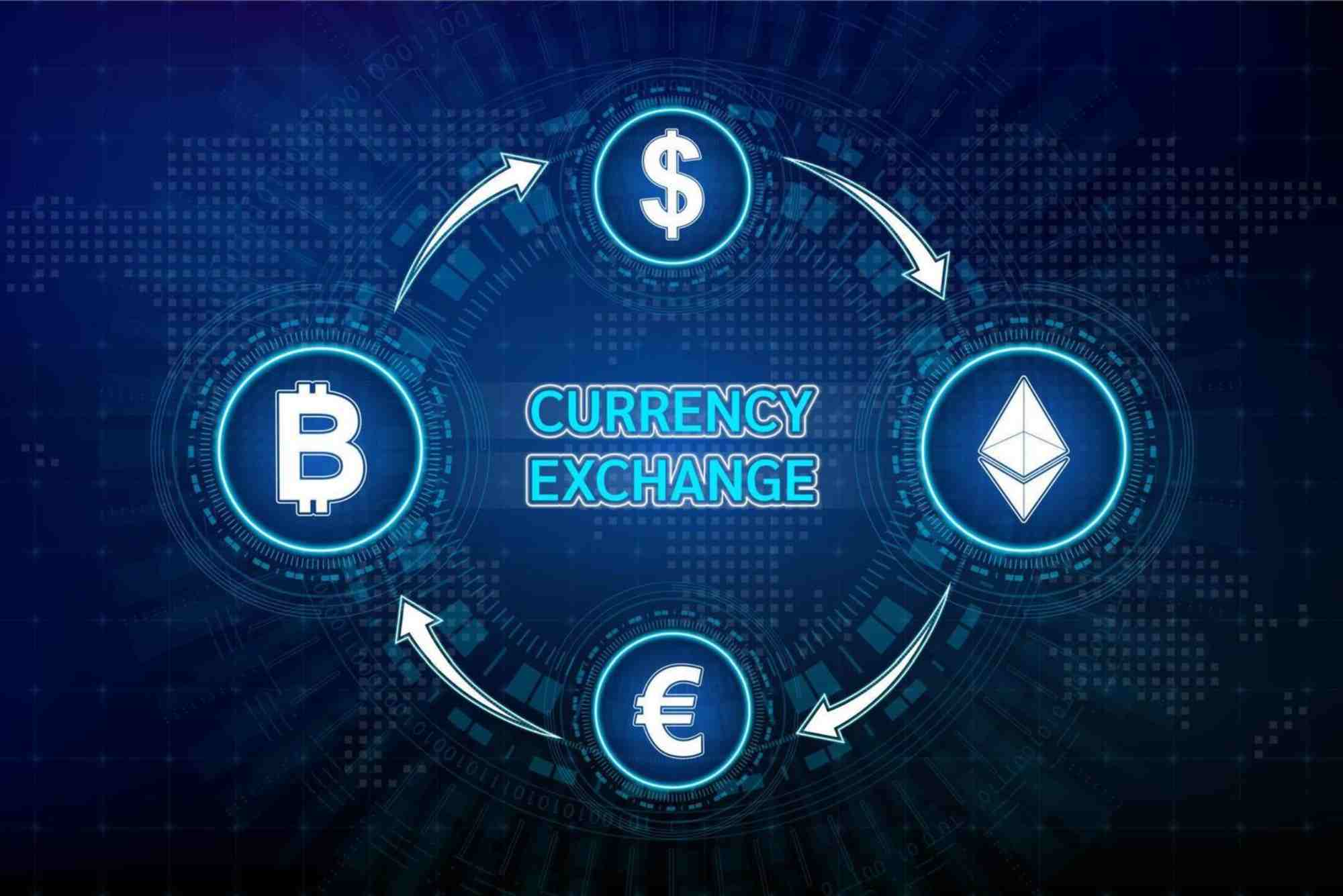
A crypto token exchange is an online platform where digital tokens and cryptocurrencies are traded. Unlike traditional banks, these exchanges are decentralized or centralized hubs for transactions that operate entirely on blockchain networks. They are vital because tokens often represent more than just currency. They can signify ownership of assets, access rights, or even participation in decentralized applications.
Crypto token exchanges bridge the gap between blockchain technology and users by offering liquidity, accessibility, and secure environments for trading. Without these platforms, token circulation in the market would be limited, slowing innovation in decentralized finance (DeFi) and Web3.
How Crypto Token Exchanges Work
The Role of Blockchain
Every transaction on a crypto token exchange relies on blockchain technology. The blockchain ensures transparency, immutability, and traceability. When you trade a token, the exchange records the details on a public ledger. This reduces fraud and increases trust.
Centralized vs. Decentralized Exchanges
There are two main types of exchanges. Centralized exchanges (CEXs) act as intermediaries, holding custody of your funds and executing trades on your behalf. Platforms like Binance and Coinbase fall into this category. They are user-friendly and provide customer support but come with custodial risks.
Decentralized exchanges (DEXs), such as Uniswap and PancakeSwap, allow peer-to-peer token swaps without intermediaries. They run on smart contracts, enabling complete control over your assets. The trade-off is higher complexity and potential network fees.

Liquidity and Market Makers
Liquidity is the lifeblood of any crypto token exchange. Without enough buyers and sellers, trades cannot be executed efficiently. Market makers—individuals or institutions providing tokens for trading pairs—ensure smooth market operations. Some exchanges use automated market maker (AMM) models, relying on liquidity pools rather than order books.
Security Mechanisms
Security is critical in exchanges. Centralized exchanges use two-factor authentication, cold storage, and encryption. Decentralized exchanges depend on smart contracts, audited codes, and trustless systems. Despite these safeguards, hacks and scams remain challenges, making due diligence essential.
Why Crypto Token Exchanges Matter
Crypto token exchanges go beyond buying and selling. They support the broader blockchain ecosystem by driving innovation, creating access, and enabling utility. Many tokens represent decentralized finance services, gaming assets, or governance rights. Without exchanges, these tokens would remain locked in isolated ecosystems, limiting their potential.
Exchanges also play a role in regulation and compliance. Many centralized exchanges implement Know Your Customer (KYC) and Anti-Money Laundering (AML) protocols. These measures help integrate blockchain into the global financial system, making it more secure and trustworthy.
Benefits of Using a Crypto Token Exchange
Accessibility
Exchanges make tokens accessible to anyone with an internet connection. From global investors to everyday users, they provide a gateway into blockchain economies.
Speed and Efficiency
Unlike traditional banks that take days for settlements, exchanges process token trades within minutes or even seconds.
Token Variety
Crypto token exchanges list hundreds of tokens, from major cryptocurrencies to niche project coins. This diversity enables investors to explore emerging technologies and participate in innovative ecosystems.
Potential for Growth
Trading on exchanges provides opportunities for profit through speculation, arbitrage, and staking. However, it comes with risks that must be managed wisely.
Risks Involved in Crypto Token Exchanges
While exchanges open doors to innovation, they also present risks. Market volatility can lead to sharp price changes within minutes. Security breaches can result in fund losses. Regulatory uncertainty in different regions may affect how exchanges operate. Users must balance opportunity with caution by researching tokens, securing private wallets, and choosing reputable exchanges.
The Future of Crypto Token Exchanges
The next evolution of crypto token exchanges is already unfolding. Hybrid models combining the ease of centralized exchanges with the autonomy of decentralized platforms are gaining traction. Advances in cross-chain technology are enabling seamless swaps across multiple blockchains. Additionally, artificial intelligence and machine learning are being integrated into exchanges to enhance fraud detection and improve user experiences.
As regulations mature, exchanges will likely become more secure and widely adopted. This evolution will solidify their role as a cornerstone of the digital economy.
FAQs
What is the difference between a crypto exchange and a token exchange?
A crypto exchange trades cryptocurrencies like Bitcoin or Ethereum. A token exchange focuses on tokens built on existing blockchains, such as ERC-20 tokens on Ethereum.
Can I exchange tokens without using an exchange?
Yes, peer-to-peer trading is possible. However, exchanges provide more liquidity, better pricing, and enhanced security.
How do I choose a reliable crypto token exchange?
Look for strong security, transparent fees, regulatory compliance, and positive user reviews.
Are token exchanges safe?
While most reputable exchanges employ advanced security, risks such as hacking still exist. Storing tokens in private wallets enhances safety.
Do I need to verify my identity to use an exchange?
Centralized exchanges often require KYC verification. Decentralized exchanges usually do not, allowing more anonymity.
A crypto token exchange is more than a trading platform. It is a gateway to the blockchain world, enabling users to engage with digital assets, decentralized finance, and Web3 ecosystems. These exchanges provide liquidity, security, and accessibility, helping cryptocurrencies evolve beyond speculative assets into practical tools for the future.