A Humorous Look at a Common Misunderstanding
If you’ve ever heard someone mention dingleberry fruit, you probably did a double-take—and rightfully so. The term is one of the internet’s most confusing and hilarious linguistic mix-ups. While some believe it to be a rare exotic fruit, others chuckle at the not-so-pleasant slang meaning.
This article dives into the truth behind the phrase “dingleberry fruit,” separating fact from fiction with a humorous twist. By the end, you’ll know exactly why this term causes confusion—and maybe even how to avoid an awkward conversation.
The Origin of the Term “Dingleberry”
The word “dingleberry” has two very different meanings. One is botanical, though obscure. The other, more well-known meaning, is a crude slang term. Unfortunately, it’s the slang that dominates search engines, memes, and pop culture references.
A Botanical Footnote
Believe it or not, “dingleberry” was once used in reference to a type of wild berry—possibly a regional nickname for huckleberries or gooseberries. However, this usage is rare and largely outdated. There’s no officially recognized dingleberry fruit in modern botany.
The Infamous Slang Meaning
The slang meaning refers to something… let’s just say not edible. It describes dried fecal matter clinging to hair near the buttocks—usually in animals, but the term has unfortunately been extended to humans in jokes. The term’s humorous sound adds to its popularity in satire and internet culture.
Why Do People Think Dingleberry Is a Real Fruit?
With so many bizarre fruits in the world—like durian, rambutan, or dragon fruit—it’s easy to see why someone might assume “dingleberry fruit” is simply another exotic delicacy. Add in recipe blogs and misleading search results, and the confusion becomes even more understandable.

Social Media and Misinformation
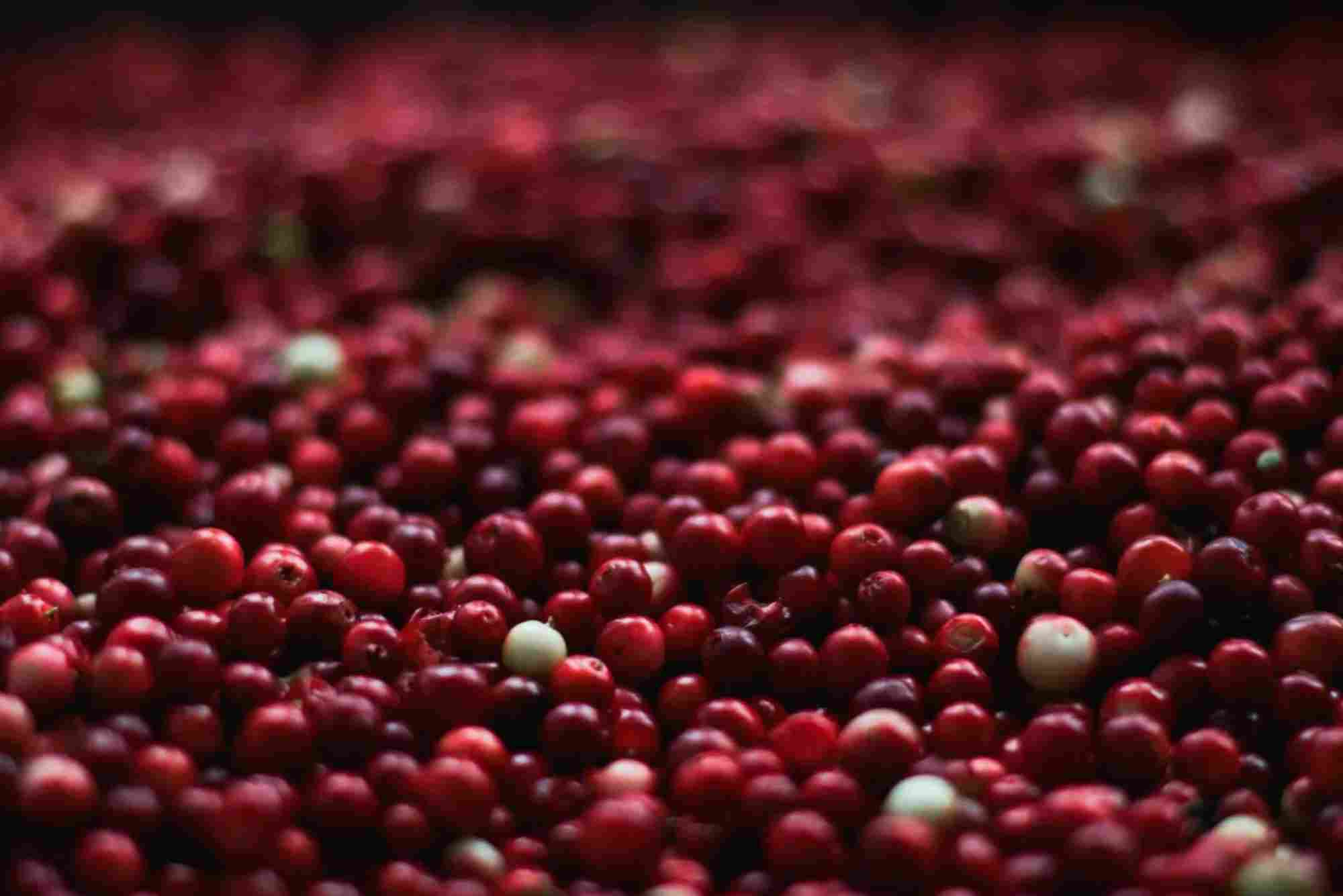
A few memes and joke recipes online have added fuel to the fire. Images of odd-looking berries labeled as “dingleberries” have tricked some into thinking it’s a real fruit from a distant tropical forest. Unfortunately, this is pure satire or fabrication.
Common Misconceptions About Dingleberry Fruit
Let’s clear up the most common false beliefs:
- It’s not sold at Whole Foods or Trader Joe’s.
- You won’t find it in any real recipe book.
- There’s no tree or vine that produces dingleberries.
- You shouldn’t try to grow or eat it.
In short, dingleberry fruit is a humorous misunderstanding rather than a genuine superfood.
Similar Real Fruits That Cause Confusion
There are some real fruits that might remind people of the term due to their name or appearance. Here are a few that get caught in the mix:
Huckleberry
Sometimes nicknamed “dingleberry” in old Appalachian regions, huckleberries are small, dark berries similar to blueberries and completely edible.
Gooseberry
These tart green or purple berries grow in cooler climates and can look odd to the unfamiliar eye. But again, they’re legitimate and tasty in pies and jams.
Elderberry
Dark and bumpy, elderberries have a somewhat mysterious look, which makes them a prime suspect for misidentification.
If you’re curious about edible superfoods, check out our internal guide on dragon fruit benefits or durian nutrition facts.
The Internet’s Role in the Dingleberry Fruit Myth
We live in an age where Google answers questions before we finish typing them. Unfortunately, that also means jokes, memes, and satire can easily be mistaken for fact.
SEO Gone Wild
Some prank blogs and clickbait websites use the term “dingleberry fruit” to drive traffic. These pages often contain ridiculous stories about health benefits or harvesting techniques—none of which are true.
YouTube and TikTok Trends
Several viral videos feature fake recipes using “dingleberries,” often involving chocolate or other round foods to keep the joke going. The comedic tone is clear to some, but not to everyone.
Should You Ever Use the Term Seriously?
In professional or educational contexts, definitely not. Unless you’re trying to make someone laugh, using the term “dingleberry fruit” will likely earn you confused looks—or worse. It’s best reserved for humorous conversation or meme commentary.
How to Handle the Misunderstanding Gracefully
If someone genuinely asks you what dingleberry fruit is, don’t mock them. This is a perfect moment for a light-hearted teaching opportunity.
- Explain that it’s not a real fruit.
- Clarify the slang meaning gently.
- Share a funny meme or article (maybe even this one).
- Steer them toward real exotic fruits worth trying.
Don’t Fall for the Dingleberry Fruit Trap
To wrap it up: there’s no such thing as dingleberry fruit—at least not in any edible, botanical sense. It’s a linguistic gag that has fooled search engines and people alike. While it might make you laugh (or cringe), knowing the truth helps avoid embarrassment.
Next time someone offers you a “dingleberry smoothie,” you’ll know better.
Want to learn more about real exotic fruits? Check out our detailed article on strange fruits you’ve never heard of and expand your palate the right way.
FAQ
What is a dingleberry fruit?
Dingleberry fruit is not a real fruit. The term is a humorous or crude slang reference and not used in botany or cooking
Is dingleberry fruit edible?
No, dingleberry fruit is not real or edible. It’s slang for an unpleasant substance and not associated with any plant or food.
Where does the word dingleberry come from?
“Dingleberry” originally appeared in 19th-century American slang, possibly referring to hanging bits of dried matter. It has since taken on humorous or vulgar connotations
Are there any fruits mistaken for dingleberries?
Yes, people sometimes confuse huckleberries, elderberries, or gooseberries due to appearance or old regional nicknames.
Why do people search for dingleberry fruit?
Curiosity, misinformation, or online jokes often lead people to search for dingleberry fruit. It’s a common case of internet confusion.
Let’s be real—dingleberry fruit sounds like it belongs in a farmer’s market next to dragon fruit and starfruit. But the truth is far more ridiculous. While it’s good for a laugh, it’s not something you’ll want in your fruit basket.
Enjoyed this quirky breakdown?
Subscribe for more myth-busting food facts, weird internet trends, and SEO-fueled deep dives. Knowledge is power—and sometimes, it’s hilarious too.