What Is Fruit de Mer in English? Seafood Explained
If you’ve ever dined at a French restaurant or browsed a seafood menu in France, you may have come across the phrase fruit de mer. But what exactly does it mean, and more importantly, what is fruit de mer in English? For anyone curious about French cuisine or simply looking to understand this gourmet term, this guide will clarify everything. The focus keyword, fruit de mer en anglais, will help us explore the full meaning and cultural context of this phrase.
Understanding the Meaning of Fruit de Mer en Anglais
The French term “fruit de mer” translates literally to “fruit of the sea” in English. However, it’s not referring to seaweed or ocean plants—it’s a general term for seafood. In English, fruit de mer en anglais is commonly translated as “seafood platter” or simply “seafood”, depending on context.
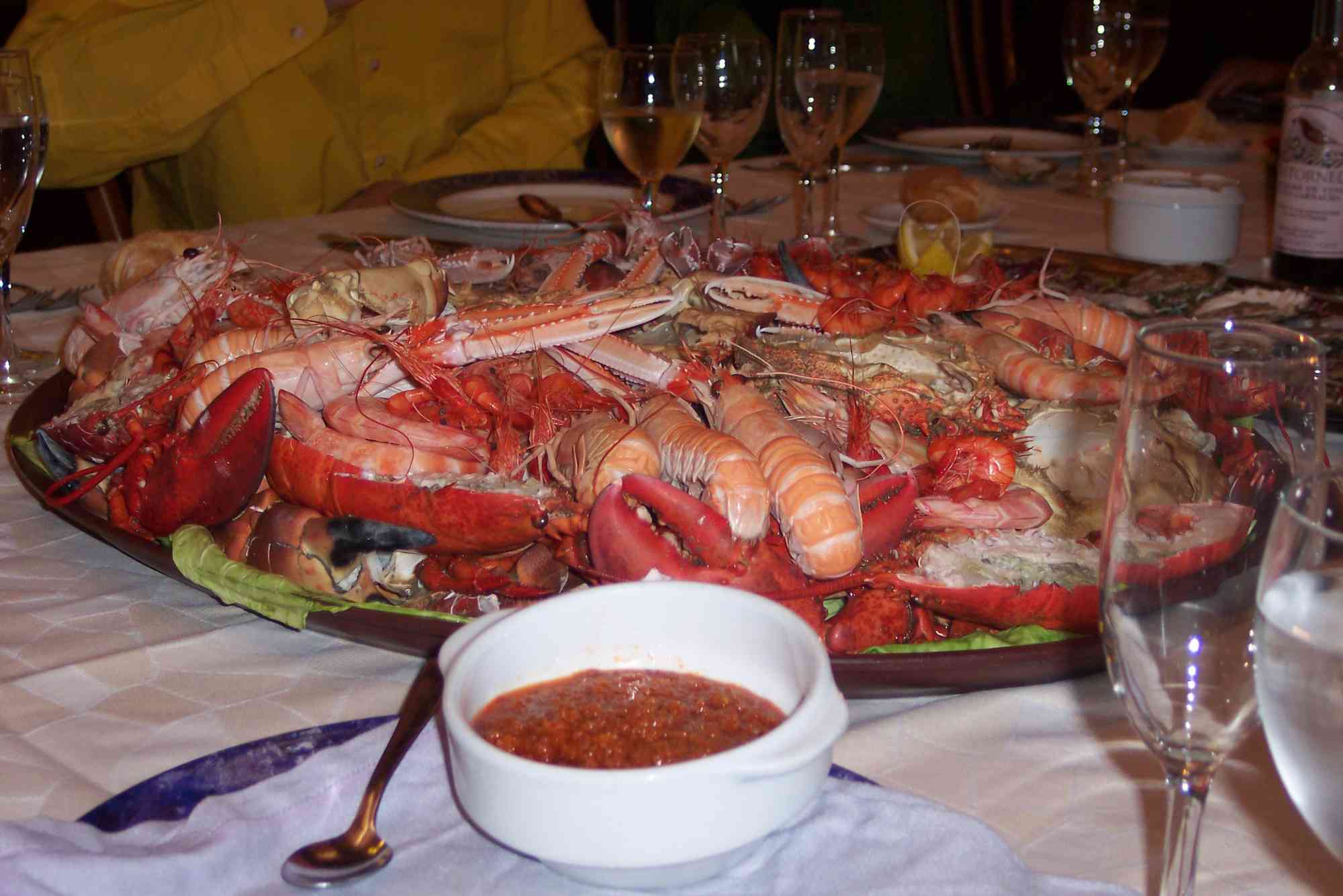
When you hear plateau de fruits de mer, it’s typically a cold seafood platter, beautifully presented with a variety of shellfish and mollusks served on ice. This dish is popular in France, particularly in coastal regions and high-end brasseries.
What Does a Fruit de Mer Platter Include?
A traditional fruit de mer platter includes a selection of raw or cooked seafood, usually served chilled. Common ingredients may vary depending on the region and the freshness of the catch, but typically include:
- Oysters
- Clams
- Mussels
- Shrimp or prawns
- Crab claws or legs
- Langoustines
- Scallops in shell
- Whelks and periwinkles
Some elaborate versions may also feature lobster, sea urchin, or caviar. The dish is typically accompanied by lemon wedges, mignonette sauce (vinegar with shallots), mayonnaise, and crusty French bread.
Cultural Significance of Fruits de Mer in France
In France, fruits de mer are more than just food—they’re a part of culinary tradition, particularly in regions like Brittany and Normandy. They’re often enjoyed as celebratory meals, especially around Christmas and New Year. Ordering a plateau de fruits de mer is considered a sophisticated and communal dining experience.

Understanding the cultural context behind this French delicacy gives you more appreciation of the dish and its name. So when you translate fruit de mer en anglais, you’re also interpreting a part of French lifestyle.
Fruit de Mer vs. Seafood: Is There a Difference?
While fruit de mer translates as seafood, there is a slight nuance. In English, “seafood” encompasses all edible sea life, including fish and shellfish. But in French, fruit de mer typically refers only to shellfish and crustaceans—not fish like salmon or tuna.
So when a French menu lists “poisson” (fish) and “fruits de mer”, they are treated as distinct categories. This subtle difference is good to keep in mind when translating menus or recipes.
How to Enjoy a Fruit de Mer Platter in English-Speaking Countries
You don’t have to travel to France to enjoy a plateau de fruits de mer. Many fine-dining restaurants and seafood markets across English-speaking countries now offer seafood platters that follow the same concept.
Look for descriptions like:
- Seafood Tower
- Shellfish Platter
- Raw Bar Selection
Though the phrase “fruit de mer” might be used directly in upscale restaurants, it’s always helpful to know what it translates to when reading English menus.
When ordering, you can usually customize your platter or choose pre-set selections. Pair it with a glass of chilled white wine or Champagne, and you’ll have a fine dining experience reminiscent of the French coast.
Nutritional Benefits of Fruits de Mer
Seafood is packed with health benefits, making fruit de mer not just delicious but also nutritious.
- High in protein
- Rich in omega-3 fatty acids
- Low in saturated fat
- Source of essential minerals like zinc, selenium, and iodine
However, be mindful of the preparation. While raw and steamed versions retain the most nutrients, fried or heavily dressed options may add calories. Always ensure seafood is fresh and sourced from reputable suppliers.
How to Pronounce Fruit de Mer Correctly
Even if you’re fluent in English, the French pronunciation of fruit de mer may be tricky. It’s pronounced as “froo-ee duh mehr”.
In English-speaking countries, people may simplify or Anglicize it, but using the proper pronunciation adds authenticity—especially when ordering at a French bistro or fine-dining restaurant.
FAQs About Fruit de Mer en Anglais
What does “fruit de mer” mean in English?
“Fruit de mer” means “fruit of the sea” and refers to shellfish and crustaceans like oysters, shrimp, and clams.
Is fruit de mer the same as seafood?
Almost. Fruit de mer typically excludes fish and focuses on shellfish, while seafood in English can include both fish and shellfish.
What is included in a fruit de mer platter?
It usually includes oysters, mussels, shrimp, crab, clams, and sometimes lobster or scallops.
Can I eat fruit de mer if I’m allergic to seafood?
No. If you have a seafood allergy, especially shellfish, you should avoid fruit de mer entirely.
Is fruit de mer always served cold?
Traditionally, yes. However, some variations include warm or grilled seafood components.
Why is it called “fruit of the sea”?
The term is metaphorical, likening the harvest of shellfish from the ocean to fruits from a tree—natural, fresh, and seasonal.