Fruit Never Found Singly: Meaning and Origins of the Quote
Words hold power, and certain phrases carry layers of meaning that stretch across generations and cultures. One such phrase is “Fruit never found singly”, a poetic expression with deep symbolic and philosophical roots. This article will explore the meaning and origins of the quote “Fruit Never Found Singly”, analyzing its use in literature, everyday speech, and spiritual or moral teachings.
Whether you stumbled upon this line in a classic book, a sermon, or a reflective article, the phrase suggests that outcomes—whether virtues or consequences—rarely stand alone. Let’s unpack the richness of this saying and understand why it continues to resonate in today’s world.
The Meaning of “Fruit Never Found Singly”
At its core, “Fruit never found singly” implies that results, consequences, or virtues tend to come in groups, not in isolation. The term “fruit” in this context is metaphorical. It typically refers to outcomes, rewards, virtues, or consequences that arise from actions, habits, or character.
In many philosophical, moral, and religious contexts, one virtue leads to another, and one action bears multiple outcomes. For example, a kind action may not just result in gratitude but could lead to trust, love, or a ripple of more kindness. That’s the essence of “fruit never found singly.”
It is often used to convey that good (or bad) behaviors don’t yield just a single result—they bring along companions. In spiritual texts, the “fruit” can be love, peace, joy, patience, kindness—none of which appear alone.
Literary and Scriptural Origins
Biblical Connection
The quote is loosely inspired by biblical language, especially from the Christian New Testament. In Galatians 5:22-23, we find a passage often cited:

“But the fruit of the Spirit is love, joy, peace, forbearance, kindness, goodness, faithfulness, gentleness and self-control.”
Even though the word “fruit” is singular, it refers to a cluster of virtues. This reinforces the concept that true moral transformation doesn’t happen in pieces—it’s holistic. Each spiritual or moral quality is linked with the others. This is likely where the phrase “fruit never found singly” gets its poetic foundation.
Classic Literature and Moral Philosophy
Though not attributed to a single literary work, variations of the phrase appear in theological writings, Victorian-era prose, and moral essays. Writers and thinkers often used metaphors involving fruit to describe human character, divine rewards, or moral consequences.
For instance, in early sermons or devotionals, preachers might say that “the fruit of righteousness is never found singly” to emphasize how virtues like faith and humility give rise to other noble traits.
In modern literary analysis, the phrase is also used to explain how themes, consequences, or symbols cluster together in a narrative. A character’s downfall may come not from one sin but from a series of interconnected faults—none found singly.
Symbolic Interpretations
The Natural Metaphor
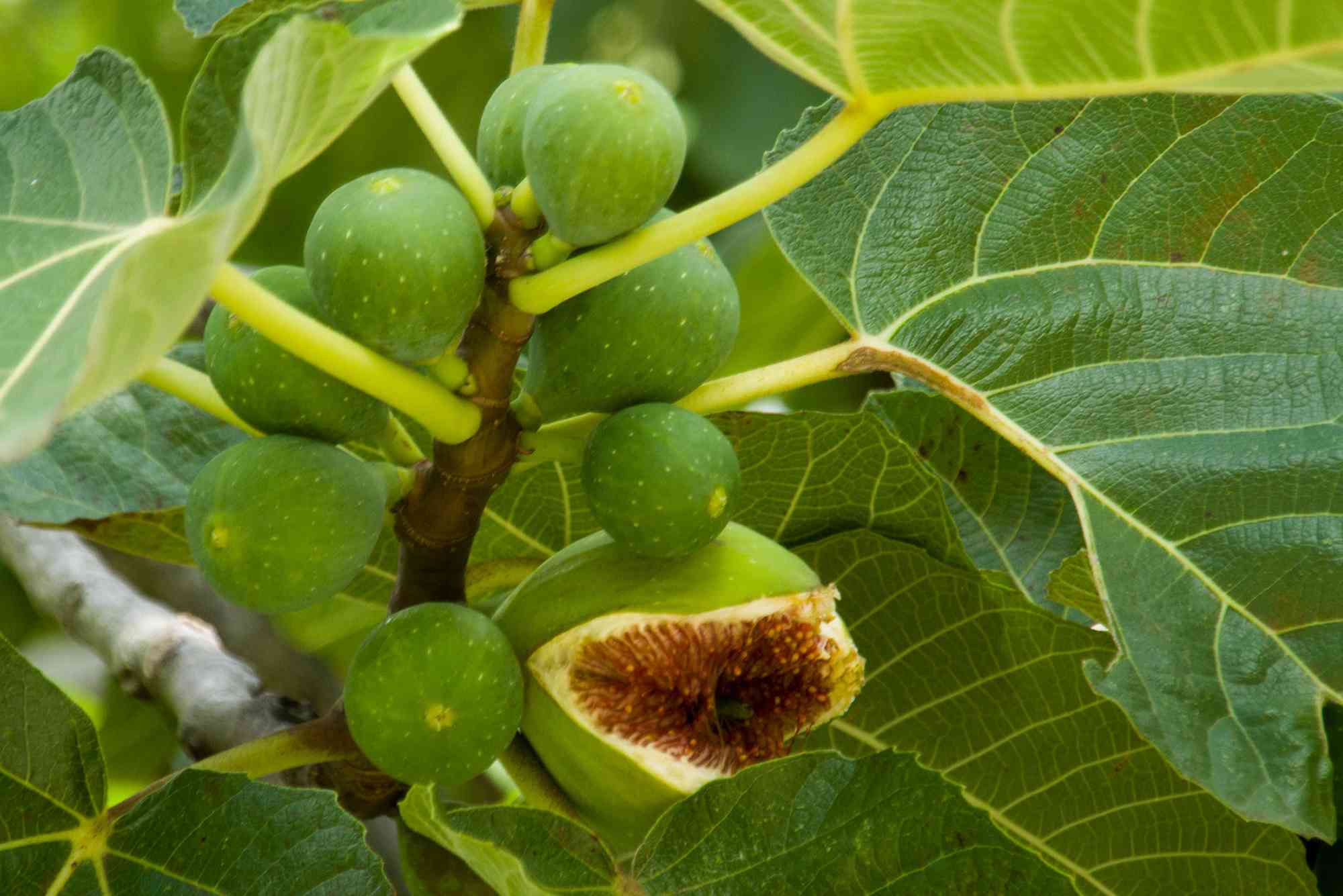
Nature itself supports the concept. Fruit naturally grows in clusters or bunches, whether it’s grapes on a vine or apples on a tree. This physical observation has long been tied to symbolic meanings. Philosophers and poets use nature to illustrate human truths.
So when we say “fruit never found singly,” we’re also pointing to how natural outcomes tend to occur in sets. You rarely find just one effect of a good or bad deed—there are always accompanying results.
Moral and Ethical Symbolism
Ethically, the phrase suggests a domino effect of behavior. For example, dishonesty might not just lead to mistrust but also to guilt, broken relationships, or even personal downfall. Similarly, one act of courage could birth resilience, influence others, and open new doors.
It’s a valuable lesson: no action exists in isolation, and every decision sets off a chain of results. That’s why wise thinkers, from Aristotle to modern psychologists, stress the compound impact of habits and character.
Applications in Daily Life
Understanding the meaning and origins of “fruit never found singly” isn’t just academic—it’s practical. This quote encourages mindfulness about choices, reminding us that everything we do carries more than one consequence.
For instance, if you’re striving for self-improvement, remember that working on one virtue (like patience) can bring others (like empathy or emotional control) naturally along.
In leadership, it teaches us that a single act of fairness or unfairness may lead to a cascade of trust or resentment.
In parenting or teaching, the lesson is profound: nurturing one value in a child—like gratitude—can naturally foster kindness, humility, and joy.
Why the Quote Still Matters Today
In an age where quick fixes and surface-level actions dominate, the quote “fruit never found singly” urges us to look deeper. It reminds us that real change, real impact, and real character are complex and interwoven.
Whether you’re reflecting on personal growth, spiritual life, or societal dynamics, this quote invites holistic awareness. You’re not just doing one good deed—you’re sowing a field that may bear many fruits.
FAQs
What does “fruit never found singly” really mean in simple terms?
It means that outcomes—especially virtues or consequences—rarely appear alone. One good or bad action often brings many results.
Is this quote from the Bible?
While the exact quote doesn’t appear in the Bible, it’s inspired by passages like Galatians 5:22, where “the fruit of the Spirit” refers to multiple virtues grouped together.
Can this quote apply to negative actions too?
Absolutely. Just as good actions bear multiple rewards, bad actions often come with multiple consequences. For example, dishonesty can lead to mistrust, guilt, and damaged relationships.
Who first said “fruit never found singly”?
There’s no definitive author. It’s a theologically influenced proverb or aphorism, used in sermons, moral essays, and literary commentary over the centuries.
How is this quote used in modern contexts?
It’s often used in motivational, religious, and reflective writing to illustrate the idea that one action or quality brings many results. It’s a reminder of the interconnectedness of behaviors.