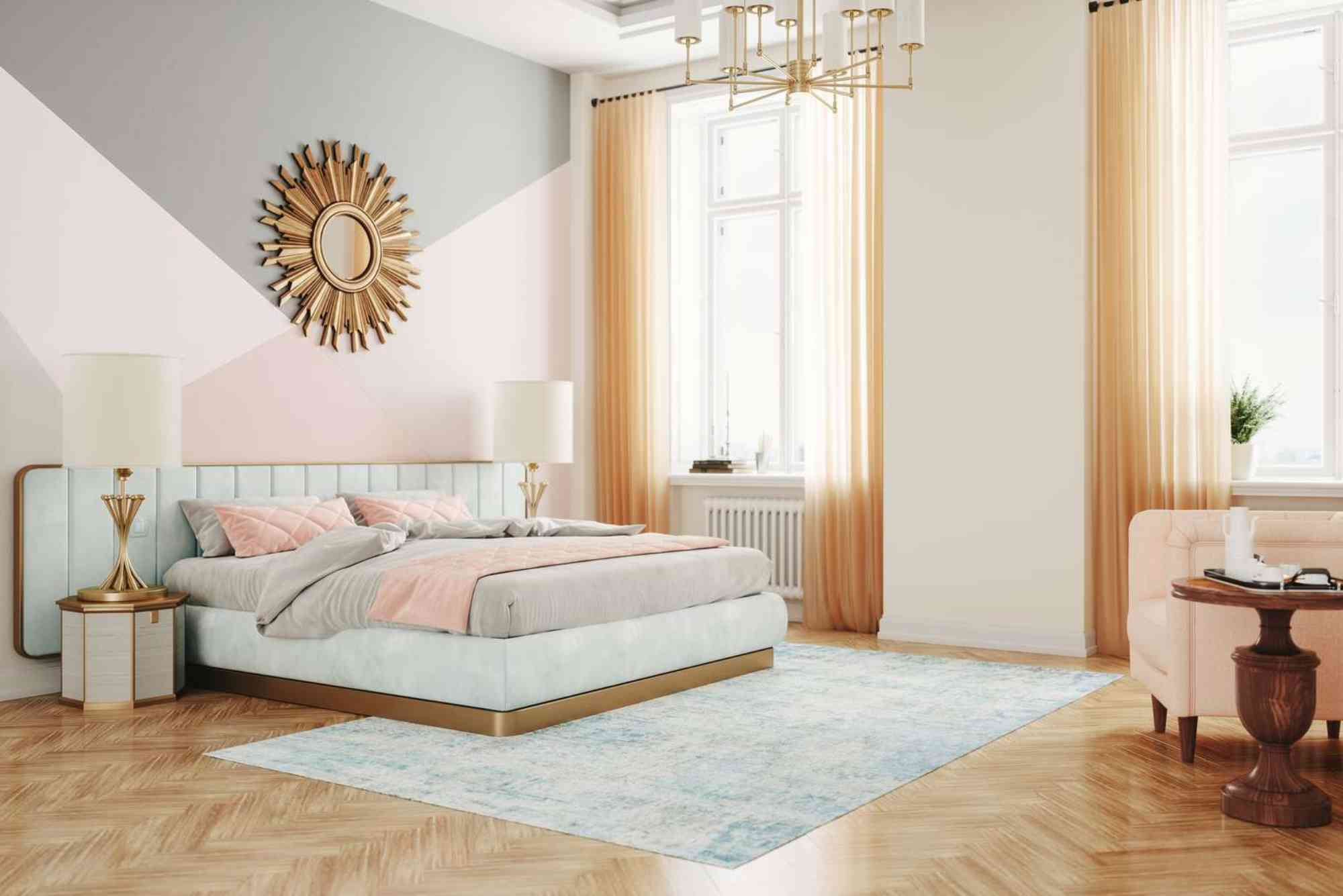
Home Colour Combination for Bedroom: Ideas for Relaxing Spaces
Creating a calm and inviting bedroom starts with choosing the right home colour combination for bedroom interiors. The colours that surround you have a powerful impact on mood, comfort, and even sleep quality. Whether you prefer soft pastels, modern neutrals, or bold contrasts, the right colour palette can transform your bedroom into a peaceful retreat. This article explores expert-approved colour ideas, psychological insights, and practical tips for designing a soothing and stylish bedroom you’ll love to unwind in every day.
The Importance of Bedroom Colour Combinations
Colours play a major role in shaping how we feel within a space. In a bedroom—where relaxation, comfort, and rest are priorities—choosing the right shades becomes even more crucial. Soft, cool tones tend to create a calming environment, while warm hues can add coziness and energy. The key is balance: a well-chosen home colour combination for bedroom walls, furniture, and decor ties everything together harmoniously.
A well-thought-out colour scheme not only enhances visual appeal but also improves your emotional well-being. Blue shades, for instance, are known to lower stress levels, while neutrals like beige or taupe offer timeless elegance. By understanding the psychological effects of colour, you can design a space that aligns with your personal comfort and style preferences.
Best Home Colour Combination for Bedroom Walls
When planning your bedroom, wall colour is the first major decision. It sets the tone for the rest of the design and influences how natural and artificial light affect the space. Here are some of the best combinations that balance beauty and serenity.
Blue and White: The Classic Tranquil Duo
Blue is universally associated with calmness and serenity, making it an ideal choice for bedrooms. Pairing blue walls with crisp white trim creates a clean, airy feel reminiscent of coastal or Scandinavian interiors. Light blue shades like powder or sky blue promote relaxation, while deeper navy tones can add sophistication and depth. White bedding and minimalist furniture complement this timeless home colour combination for bedroom beautifully.
Grey and Blush Pink: Subtle and Elegant
A grey and blush pink palette offers the perfect mix of modern style and warmth. Soft greys provide a neutral backdrop, while blush accents—through pillows, rugs, or artwork—add a gentle touch of romance. This combination is excellent for couples’ bedrooms or anyone seeking a cozy yet chic aesthetic. The contrast between cool grey and warm pink creates a visual balance that feels both peaceful and inviting.

Beige and Olive Green: Earthy Comfort
Nature-inspired tones are trending for a reason—they connect us to calm, organic environments. Beige walls paired with olive green textiles or accents bring warmth and depth without feeling overwhelming. This home colour combination for bedroom works especially well in spaces with natural light, wooden furniture, or plants. The earthy tones ground the space, making it a restful escape after a long day.
White and Wood: Minimalist and Modern
If you love simplicity, white combined with natural wood finishes creates a serene, minimalist atmosphere. White walls amplify light and make the room appear larger, while wooden furniture adds character and warmth. To prevent the space from feeling too sterile, add subtle touches of texture through linen bedding or woven decor. This combination is perfect for those who prefer a clutter-free, peaceful environment.
Teal and Mustard: A Bold Yet Cozy Contrast
For those who like to experiment, teal and mustard provide a striking but balanced pairing. Teal offers richness and calmness, while mustard injects warmth and personality. When used thoughtfully—perhaps with teal walls and mustard throw pillows—this home colour combination for bedroom creates a stylish, modern vibe without being too loud. It’s ideal for creative personalities seeking a cozy yet stimulating retreat.
How to Choose the Right Colour Combination for Your Bedroom
Selecting a colour palette can be overwhelming, but understanding a few design principles makes the process simpler. Begin by identifying how you want your room to feel. Do you crave a soothing space for relaxation, or do you prefer something energizing and vibrant? Cool tones like blue, lavender, and green promote calmness, while warm tones like peach, terracotta, and gold bring coziness.
Lighting also plays a vital role. Natural light enhances lighter tones, making small bedrooms feel more open. In contrast, rooms with limited light can benefit from warmer or richer hues that add comfort. Always test paint samples on your walls before finalizing, as colours can look different under various lighting conditions.
Your furniture and decor should complement the chosen palette. For example, if your bed and wardrobes are in dark wood, lighter wall shades create contrast and prevent the space from feeling heavy. Similarly, neutral furniture pairs beautifully with bold accent walls or patterned wallpapers.
The Psychology Behind Bedroom Colours
Understanding the emotional influence of colours helps in making informed design choices. Blue is known for reducing stress and promoting restful sleep, making it ideal for bedrooms. Green represents balance and renewal, bringing a sense of nature indoors. Grey exudes sophistication and calm but works best when paired with warm accents to avoid a cold atmosphere.
White symbolizes purity and freshness, offering versatility in both modern and traditional designs. Soft pinks and peaches evoke warmth and tenderness, perfect for creating romantic or nurturing spaces. On the other hand, bold colours like red or orange can be stimulating, so they’re better used as accents rather than primary wall shades.
By combining colours that resonate with your emotional goals, you can craft a home colour combination for bedroom that not only looks beautiful but also supports relaxation and well-being.
Trending Bedroom Colour Combinations for Modern Homes
In 2025, homeowners are leaning toward subtle, natural, and mood-enhancing palettes. Warm neutrals such as sand, ivory, and mushroom are making a strong comeback, reflecting a desire for grounded, cozy interiors. Muted greens and blues continue to dominate due to their tranquil qualities. Additionally, two-tone walls—where one wall features a bolder accent colour—are becoming increasingly popular, adding dimension without overwhelming the space.
Textured paint and wallpapers with tone-on-tone patterns also enhance visual interest while maintaining calm energy. Metallic accents, particularly in gold or copper, pair beautifully with deeper shades like emerald green or charcoal, adding a touch of luxury without disrupting serenity.
Tips for Perfect Bedroom Colour Coordination
Achieving harmony in your home colour combination for bedroom requires more than choosing the right paint. Think about layers—how walls, furniture, fabrics, and lighting interact. Use three main tones: a dominant colour for walls, a secondary for furniture or bedding, and an accent for accessories. This balance ensures depth without clutter.
Incorporate texture to add warmth. A soft rug, linen curtains, or a velvet throw can make even cool tones feel inviting. Pay attention to lighting; warm yellow bulbs can soften strong colours, while white light highlights cooler tones. Finally, don’t be afraid to express your personality. Whether through a patterned headboard, colourful artwork, or decorative cushions, small details make your bedroom uniquely yours.
Common Mistakes to Avoid
Many people make the mistake of overloading their rooms with multiple bright colours. This can disrupt balance and make the space feel chaotic. Another common error is ignoring lighting—what looks good in the store might feel completely different at home. Always test samples in different corners of your room before committing.
Avoid matching everything perfectly; contrast creates visual interest. For instance, pairing a muted wall with textured fabrics or metallic accents can add depth. Lastly, neglecting undertones can ruin harmony. Make sure warm and cool tones complement each other rather than clash.
Designing the perfect home colour combination for bedroom is about more than aesthetics—it’s about crafting a personal sanctuary that reflects your style and promotes peace. Whether you love calming blues, warm neutrals, or earthy greens, the right palette can turn your bedroom into a haven for rest and renewal.
Start small by experimenting with wall colours or decor accents, and observe how they make you feel. Remember, your bedroom should tell your story and offer a sense of comfort every time you step inside. If you’re ready to create your dream bedroom, consult a colour expert or interior designer to guide your choices. Transform your space today and enjoy the serenity you deserve.
Frequently Asked Questions
What is the best colour combination for a relaxing bedroom?
The most relaxing combinations are blue and white, beige and olive green, or grey and blush pink. These shades promote calmness and help you unwind.
Which colour is most suitable for bedroom walls?
Soft pastels and cool neutrals like sky blue, light grey, or off-white are ideal for creating a soothing environment conducive to sleep.
Can I use dark colours in a small bedroom?
Yes, but use them strategically. Opt for one accent wall in a dark shade like navy or charcoal, balanced by light-coloured furniture and linens.
What colour helps you sleep better?
Blue is scientifically proven to promote better sleep by lowering heart rate and reducing stress, making it perfect for bedrooms.
How can I make my bedroom look luxurious with colours?
Combine rich tones like emerald, taupe, or charcoal with metallic accents and layered textures. Soft lighting and high-quality fabrics enhance the effect.