Introduction
The UAE is a land of innovation, luxury, and rapid development—but its hot, arid climate presents a major challenge when it comes to local agriculture. As a result, the country relies heavily on imported produce to meet the demands of its growing population and tourism-driven hospitality sector. Whether you’re walking into a five-star hotel buffet in Dubai or browsing a neighborhood supermarket in Sharjah, chances are that the fruits and vegetables on display were brought in by some of the region’s top importers.
Understanding the role of importers of fresh fruits and vegetables in UAE is crucial if you’re a supplier, distributor, or simply someone curious about the region’s food ecosystem. These companies act as the backbone of food security, ensuring that the nation has year-round access to high-quality produce from around the world.
Why the UAE Depends Heavily on Produce Imports
Agricultural production in the UAE is limited due to environmental constraints like poor soil quality, minimal rainfall, and extreme temperatures. To overcome these barriers, the government has invested in hydroponics and vertical farming, but these still meet only a small portion of total demand.
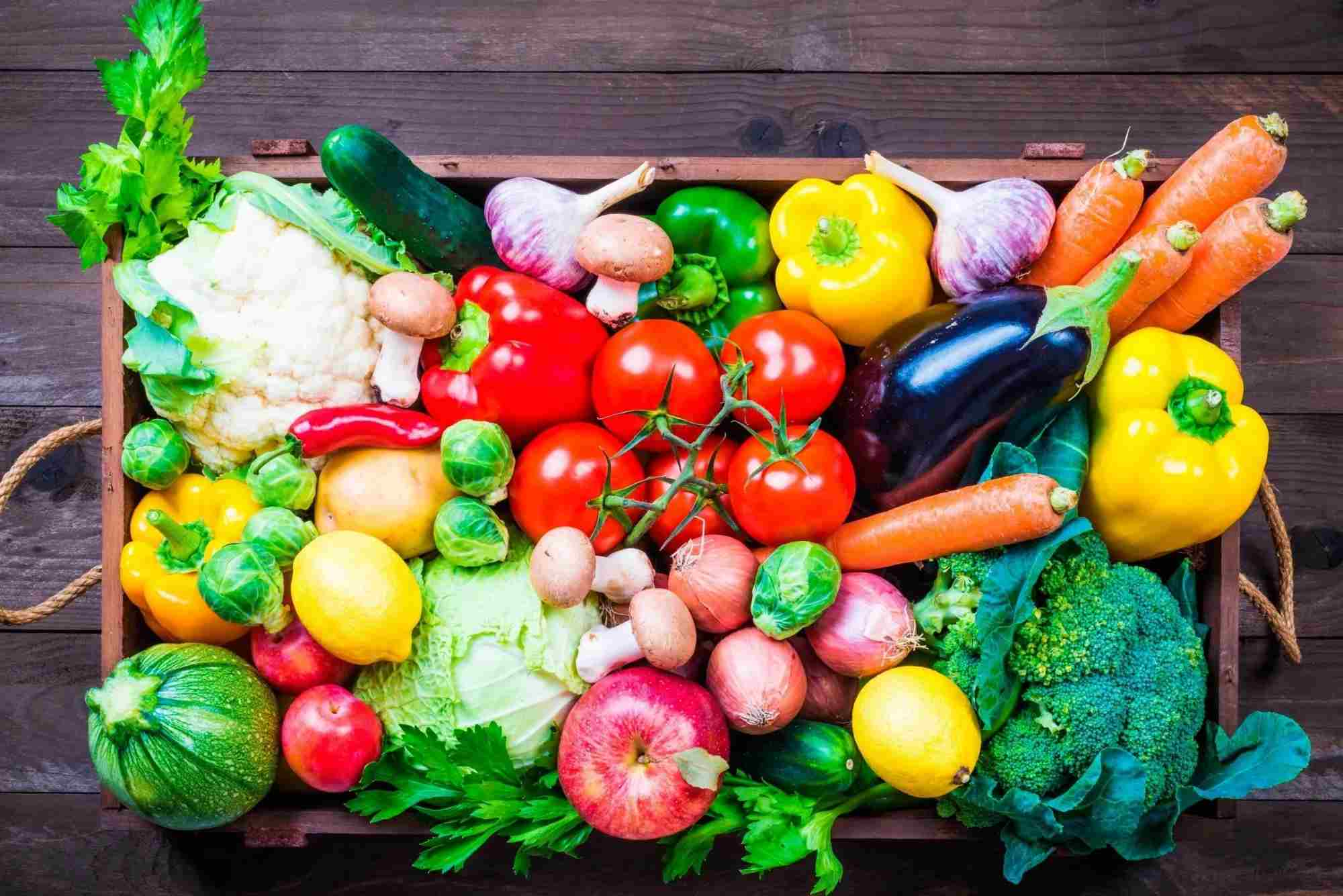
Hence, most of the fresh fruits and vegetables consumed in the UAE are imported from countries like India, Pakistan, Iran, Egypt, South Africa, and the Netherlands. Importers bring in massive volumes of apples, oranges, bananas, grapes, potatoes, onions, and leafy greens—sourced for both retail and the booming hospitality industry.
Characteristics of Leading Importers in the UAE
Before diving into specific names, it’s helpful to understand what sets the top importers apart. The most successful importers of fresh fruits and vegetables in UAE share the following traits:
- Global sourcing capabilities from multiple continents to ensure uninterrupted supply
- Cold chain infrastructure including refrigerated storage and transport
- Strong distribution networks covering supermarkets, restaurants, hotels, and wholesalers
- Strict quality control adhering to UAE’s food safety and customs regulations
- Partnerships with local authorities such as Dubai Municipality and Abu Dhabi Agriculture and Food Safety Authority
These companies are not just middlemen—they are deeply embedded in the logistics, storage, and quality management processes that keep the produce fresh from farm to fork.

Where Do Imports Typically Arrive?
Most fresh produce shipments enter through major UAE ports such as Jebel Ali (Dubai), Mina Zayed (Abu Dhabi), and Sharjah’s Khalid Port. Some companies also receive air-freighted goods via Dubai International Airport and Abu Dhabi International Airport for high-value or perishable items. From there, logistics arms distribute goods quickly to avoid spoilage.
How UAE’s Importers Serve Different Market Segments
The importers of fresh fruits and vegetables in UAE serve diverse clients, each with unique needs. Understanding this helps explain the scale and complexity of operations.
Retail and Supermarkets
Importers supply top supermarket chains such as Carrefour, Lulu Hypermarket, Union Coop, and Spinneys. The demand here focuses on both premium exotic fruits and everyday staples like onions and tomatoes.
Hospitality and Food Service
Hotels, airlines, restaurants, and catering services rely on consistent, high-quality supplies. Importers often provide tailored solutions including pre-cut fruits or special packaging.
Wholesale Markets
Deira’s Al Aweer Fruit and Vegetable Market and Abu Dhabi’s Central Market are key hubs where importers sell large volumes to traders and local vendors. These markets offer a fast-moving, competitive environment driven by price and freshness.
UAE’s Strategic Role as a Re-export Hub
A unique feature of the UAE’s produce import market is its dual role as both a consumer and a re-exporter. Many importers don’t just supply domestic demand; they also re-export fruits and vegetables to neighboring countries like Saudi Arabia, Oman, Kuwait, and even as far as Africa. Dubai, in particular, is a global logistics hub that connects producers and markets across three continents.
This re-export model means that UAE-based importers must be extremely efficient in customs clearance, warehousing, and packaging. Any delays can damage perishable goods and disrupt regional food supply chains.
Technology and Innovation in Produce Importing
Modern importers of fresh fruits and vegetables in UAE use cutting-edge technology to gain a competitive edge. Cold chain monitoring systems, blockchain for traceability, and AI-powered demand forecasting are all part of the equation.
Additionally, many firms are investing in sustainability—such as reducing food waste, switching to eco-friendly packaging, and sourcing from certified organic farms. These moves align with the UAE’s wider food security and environmental goals.
Government Regulations and Food Safety
The UAE has strict food safety protocols, and importers must comply with a variety of health, safety, and labeling regulations. Products are tested for pesticide residue, proper labeling, and freshness.
Importers also need to register with Dubai Municipality’s FoodWatch platform or the Abu Dhabi Food Safety Authority to track and document every stage of the food supply chain. Companies that fail to meet these requirements face fines, delays, or even blacklisting.
Seasonal Trends in Fruit and Vegetable Imports
Demand for certain fruits and vegetables in the UAE fluctuates throughout the year. During Ramadan, for example, there’s a surge in demand for dates, bananas, cucumbers, and citrus fruits. Summer months see increased imports of water-rich fruits like watermelon, melons, and mangoes.
Top importers prepare for these shifts months in advance by building relationships with overseas producers and booking cold storage space in anticipation of peak seasons.
Future Outlook for Fresh Produce Importing in UAE
The future of fruit and vegetable imports in the UAE is promising but also competitive. As the population grows and consumer tastes become more globalized, the demand for variety, quality, and convenience will increase. Health trends are also influencing imports. There’s rising demand for organic produce, exotic fruits like dragon fruit and berries, and pre-washed or ready-to-eat vegetable packs. Importers who can adapt quickly and innovate in packaging and delivery are likely to dominate the next decade.
Additionally, free zones like Dubai South and Khalifa Industrial Zone (KIZAD) offer incentives and streamlined processes for food import and re-export businesses. This encourages the growth of new players in the market while keeping established ones on their toes.
Why Importers Are Vital to UAE’s Food Ecosystem
The importers of fresh fruits and vegetables in UAE are more than just suppliers—they are crucial enablers of food access, quality, and diversity. Their work keeps the grocery shelves full, supports the hospitality industry, and ensures that consumers have healthy choices all year round.
As the UAE continues to position itself as a global food hub, the role of these importers will only become more important. Whether you’re a buyer, a supplier, or an investor, understanding this network is key to making informed decisions.
FAQ
Who are the major importers of fruits and vegetables in Dubai?
Top importers in Dubai include companies that serve supermarkets, hotels, and food markets. They operate through Jebel Ali Port and other major logistics hubs.
How can I contact fruit and vegetable importers in the UAE?
Most importers have websites, email addresses, and even physical offices in Dubai, Sharjah, or Abu Dhabi. You can also connect through trade directories and food exhibitions.
Does the UAE grow any of its own produce?
Yes, but only a small portion. The UAE grows some crops using hydroponics and vertical farming, but most fresh produce is imported.
What are the most imported fruits and vegetables in UAE?
Bananas, apples, grapes, oranges, tomatoes, onions, and potatoes are among the most frequently imported produce items.
Which countries export the most fresh produce to the UAE?
India, Pakistan, Iran, Egypt, Kenya, South Africa, and the Netherlands are major exporters.
Can small businesses import fruits and vegetables into the UAE?
Yes, but they must follow food safety regulations, obtain licenses, and register with the appropriate municipality. Partnering with a local distributor is often advisable.