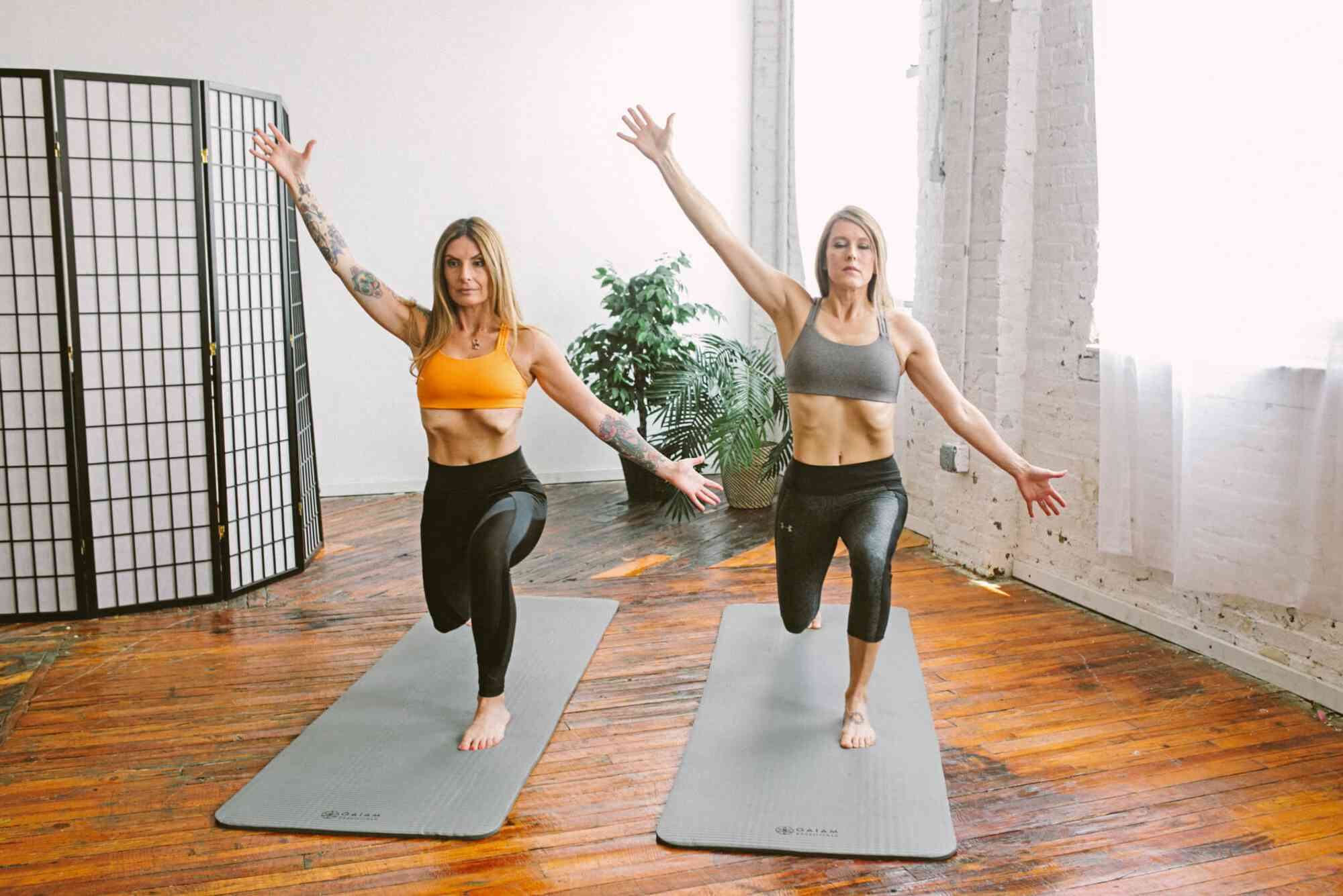
What Is Low Pressure Fitness and Where to Try It Near You
Low Pressure Fitness (LPF) is gaining global popularity for its unique combination of breathing techniques, posture training, and core activation. If you’ve ever searched for low pressure fitness near me, you’re likely curious about how it works, who it’s for, and how it can benefit your health and wellness. This guide breaks down everything you need to know about LPF and where to find local classes or certified practitioners.
Understanding Low Pressure Fitness
Low Pressure Fitness, also known as hypopressive training, is a method that focuses on reducing pressure in the abdominal and pelvic cavities. Unlike high-intensity workouts, LPF is gentle yet powerful. It’s rooted in postural and respiratory techniques that strengthen the core without straining the body.
At its core, LPF utilizes low-pressure breathing exercises combined with specific poses to engage the deep abdominal muscles. It improves posture, enhances pelvic floor function, and helps reduce lower back pain. Originally developed in Spain, it has now spread across the globe and is used in both fitness and rehabilitation settings.
How Low Pressure Fitness Works
The foundation of LPF lies in hypopressive breathing—a technique that creates a vacuum in the abdomen by exhaling and then lifting the diaphragm. This action draws the abdominal muscles inward and upward, activating the transverse abdominis and pelvic floor.
During an LPF session, you’re guided through a series of postural poses while coordinating your breathing. The goal is to reduce intra-abdominal pressure, train the core reflexively, and improve neuromuscular control. The exercises may look calm and slow, but they deeply challenge your postural and core systems.
Benefits of Low Pressure Fitness
One of the main reasons people search for low pressure fitness near me is the wide range of benefits LPF offers for individuals of all fitness levels. This method isn’t just about aesthetics—it’s about functional health.

Improves Core Strength
Unlike traditional abdominal exercises like crunches, LPF strengthens the core without compressing the spine. It trains the deep muscles that stabilize the pelvis and lower back.
Enhances Posture and Alignment
Many people experience rounded shoulders, forward head posture, and lower back pain due to prolonged sitting. LPF helps correct these imbalances by improving spinal alignment and postural awareness.
Supports Pelvic Floor Health
LPF is particularly beneficial for women postpartum or those experiencing pelvic floor dysfunction. The technique helps reduce prolapse symptoms, urinary incontinence, and diastasis recti.
Aids in Rehabilitation
Physiotherapists and movement specialists use LPF to help clients recovering from surgery, injury, or chronic pain. It’s gentle enough for beginners but effective enough to promote long-term recovery.
Boosts Breathing Capacity and Relaxation
The breathing techniques used in LPF enhance lung function and encourage a parasympathetic (relaxed) state. This makes it a powerful tool for stress management and improved circulation.
Who Can Benefit from Low Pressure Fitness
While originally targeted toward postpartum women, LPF has expanded to serve a wide range of people. It’s now used by athletes, men, older adults, and even teens.
If you’re dealing with chronic back pain, poor posture, pelvic issues, or even anxiety, searching for low pressure fitness near me could be your first step toward lasting relief. LPF is ideal for those who want to avoid high-impact exercises and still build a strong, resilient core.
What to Expect in an LPF Session
If you’re ready to try LPF, your first session will likely begin with an assessment of your posture and breathing. You’ll then be guided through basic hypopressive techniques and taught how to engage your core using proper alignment and controlled breath holds.
Most sessions are conducted in a small group or one-on-one setting, often led by certified instructors with backgrounds in physiotherapy, pilates, or yoga. The setting is typically calm and focused, with soft cues and gentle corrections to help you master each posture.
Classes typically last 30 to 45 minutes and may involve standing, kneeling, and lying down positions. You won’t sweat profusely, but you’ll feel deeply worked in areas you didn’t even know needed attention.
How Often Should You Practice LPF?
To see results, it’s recommended to practice LPF two to three times a week. Many people begin to notice improvements in posture, core control, and breath awareness within a few weeks.
Consistency is key. Like any training method, the more regularly you practice, the more benefit you’ll gain. Some practitioners include it as a recovery day practice between higher-intensity workouts.
How to Find Low Pressure Fitness Near You
If you’re wondering where to find low pressure fitness near me, here are some effective ways to start your search.
Use Online Directories
Websites such as the official Low Pressure Fitness site or directories like Mindbody and ClassPass allow you to search for certified LPF instructors or studios in your area.
Ask Your Physiotherapist
Many physiotherapists are now certified in LPF. If you’re already in rehab or physical therapy, ask if they offer hypopressive training or can refer you to a specialist.
Search on Social Media
Instagram and Facebook are full of LPF practitioners who share their expertise and services. Try searching hashtags like #LowPressureFitness or #HypopressiveTraining along with your city or region.
Try Local Yoga and Pilates Studios
Because LPF shares common ground with yoga and pilates, many instructors integrate hypopressive techniques into their programs. Check class descriptions or call your local studio to inquire.
What to Look for in an LPF Instructor
When searching for low pressure fitness near me, make sure the instructor is certified by a reputable training organization. Look for credentials from Low Pressure Fitness (LPF) or Hypopressive RSF.
Experience in related fields like physiotherapy, women’s health, pilates, or rehabilitation is a bonus. A good instructor will ensure you learn the correct techniques and modify the program to fit your needs.
FAQs
What is low pressure fitness good for?
Low Pressure Fitness is good for improving core strength, posture, pelvic floor function, and reducing lower back pain. It’s also used in rehabilitation and stress management.
Can men do low pressure fitness?
Yes, LPF is suitable for men too. It helps with core stability, breathing, and pelvic health, which are important for overall well-being and athletic performance.
How often should I do LPF?
Two to three sessions per week is ideal for most people. Consistency is important to see lasting benefits in posture and core strength.
Is low pressure fitness safe during pregnancy?
It’s generally not recommended during pregnancy due to the vacuum effect created in the abdomen. However, it can be a great postpartum recovery tool. Always consult your healthcare provider first.
Do I need equipment for LPF?
No special equipment is required. LPF only uses your body weight, posture, and breath, making it accessible and easy to practice anywhere.