Introduction
When it comes to maintaining your Nissan Sunny 2014, understanding the correct engine oil capacity is crucial. The right oil level ensures smooth performance, better fuel economy, and longer engine life. Many drivers underestimate how important engine oil is until problems arise. This guide will explain everything you need to know about the Nissan Sunny 2014 engine oil capacity, the recommended oil types, and practical maintenance advice to keep your car running efficiently.
The Nissan Sunny 2014 is a popular sedan known for its fuel efficiency, reliability, and smooth driving experience. Whether you own the 1.5L or 1.6L engine variant, knowing how much oil to use is essential for proper maintenance. Using too little or too much oil can cause engine wear, overheating, or oil leakage issues. Let’s explore the details step by step so you can confidently handle your next oil change.
Understanding Nissan Sunny 2014 Engine Oil Capacity
The Nissan Sunny 2014 engine oil capacity depends slightly on the specific engine type. Generally, the 1.5L petrol engine requires approximately 3.2 liters of engine oil when changing oil and filter. The 1.6L engine typically needs around 3.5 to 3.7 liters. It’s always best to check your owner’s manual or the dipstick for exact readings after refilling.
The difference in capacity may seem small, but precision matters. An underfilled engine may cause insufficient lubrication, while overfilling can lead to excessive oil pressure and damage to seals and gaskets. Therefore, always pour oil gradually and check the dipstick level as you go.
Recommended Engine Oil Type for Nissan Sunny 2014
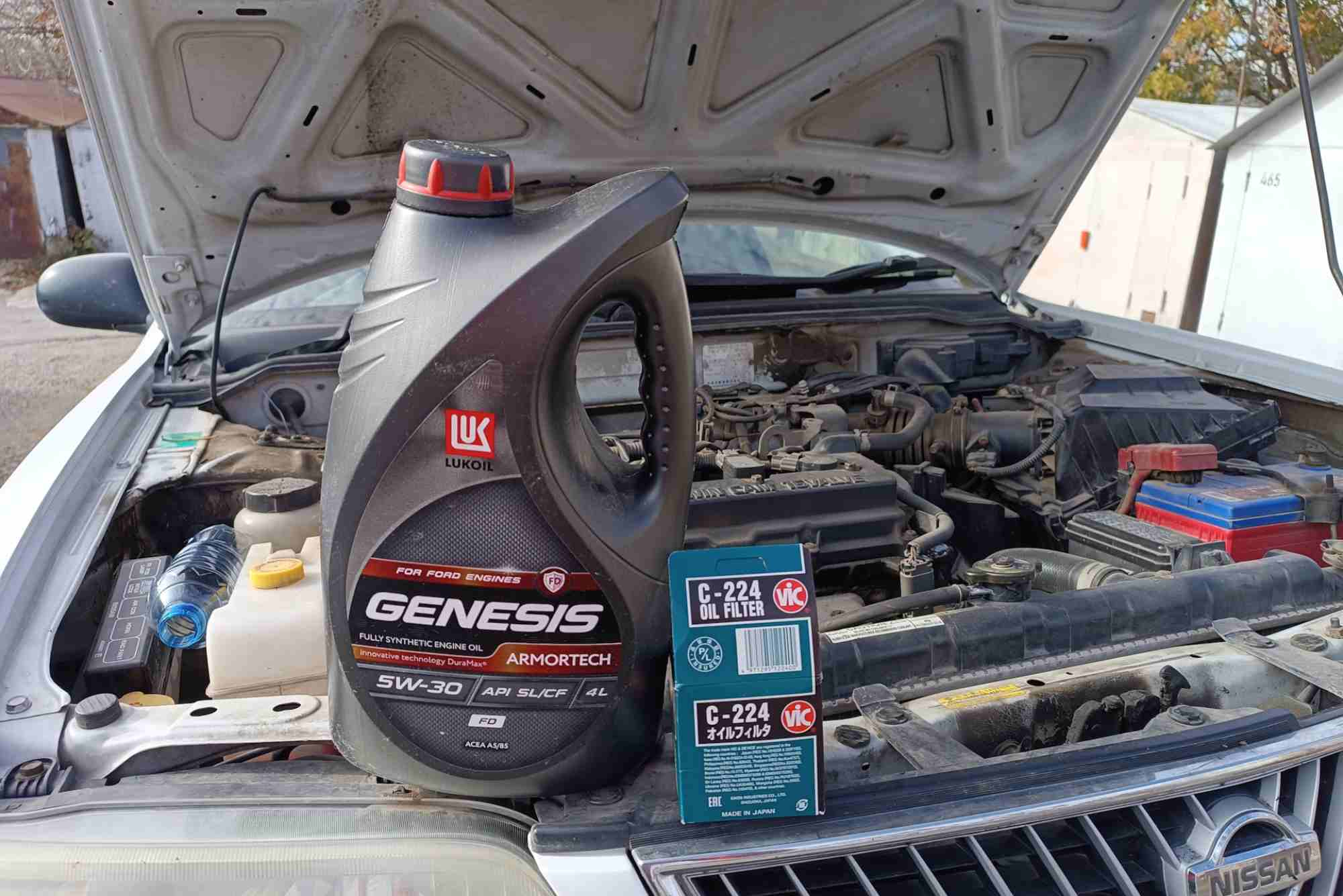
Choosing the right oil type is as important as knowing the capacity. For the Nissan Sunny 2014, the recommended oil is SAE 5W-30 or 10W-40, depending on your local climate and driving conditions. Fully synthetic oil is usually the best choice since it provides superior lubrication, improved fuel economy, and longer change intervals.
If you live in a region with hot temperatures, like the Middle East or South Asia, a slightly thicker oil such as 10W-40 can provide better protection against heat. In colder areas, 5W-30 ensures smoother start-ups and better flow during freezing conditions.

How to Check Engine Oil Level
Checking the engine oil level is a simple but often overlooked maintenance task. Park your car on level ground and let the engine cool for a few minutes. Pull out the dipstick, wipe it clean, insert it again, and pull it out once more to check the oil level. The oil should be between the minimum and maximum marks.
If the level is below the minimum, add oil slowly in small quantities. Avoid filling up to the brim as it can cause overflow. Also, inspect the oil color and consistency. Clean oil is amber or light brown, while dark or gritty oil indicates that it’s time for an oil change.
How Often to Change the Engine Oil
For the Nissan Sunny 2014, it is recommended to change the engine oil every 8,000 to 10,000 kilometers, or every six months, whichever comes first. If you frequently drive in harsh conditions, such as stop-and-go city traffic or dusty roads, consider shortening the interval.
Regular oil changes prevent sludge build-up and protect internal components from friction and heat. Always replace the oil filter during every oil change. The filter traps impurities, and using an old one can contaminate fresh oil quickly.
Signs Your Nissan Sunny Needs an Oil Change
Even if you follow regular maintenance schedules, sometimes the engine might signal that it needs attention earlier. A few signs to watch out for include:
- A noticeable drop in fuel efficiency
- A burning smell or oil leak under the car
- Unusual engine noise or knocking sounds
- Dark, thick oil when checking the dipstick
- The oil change or check engine light appearing on the dashboard
Ignoring these signs can cause long-term damage, so it’s best to act immediately when you notice any of them.
Step-by-Step Guide to Changing Engine Oil
Changing the engine oil in a Nissan Sunny 2014 is a straightforward process if you prefer to do it yourself. First, ensure the car is parked on a flat surface and the engine is slightly warm. Place a drain pan under the oil plug and remove the plug using a wrench. Let the old oil completely drain out.
Next, replace the oil filter with a new one and tighten it securely. Afterward, reinstall the drain plug and pour in the recommended amount of new oil using a funnel. Finally, check the dipstick to make sure the level is correct. Start the engine for a few minutes, then turn it off and check again to confirm everything is in order.
Benefits of Using the Correct Oil Capacity
Using the correct Nissan Sunny 2014 engine oil capacity provides several advantages. It enhances lubrication between moving parts, reduces friction, and improves overall performance. It also keeps the engine temperature under control, ensuring optimal fuel efficiency.
The right oil level also helps prevent wear and tear, extending the lifespan of critical components such as pistons, crankshafts, and bearings. Moreover, properly maintained oil helps reduce emissions, contributing to cleaner air and a healthier environment.
Common Mistakes to Avoid
One common mistake many car owners make is adding oil without checking the dipstick. Overfilling can be just as harmful as underfilling. Another mistake is mixing different oil types, such as combining synthetic and mineral oils. Always stick to one type and brand for consistent performance.
Additionally, avoid using cheap or low-quality oils that may not meet manufacturer standards. These can break down faster, lose viscosity, and cause long-term engine damage. Always look for API-certified or OEM-approved oil brands.
Cost of an Oil Change for Nissan Sunny 2014
The cost of an oil change for a Nissan Sunny 2014 varies by region, but on average, it ranges between $50 and $90 if done at a service center. Doing it yourself can be more economical, costing around $30 to $50 for oil and a filter. While DIY saves money, professional services ensure proper disposal of used oil and expert inspection of related components.
How to Extend Engine Life with Proper Oil Maintenance
Beyond regular oil changes, there are simple habits that can keep your Nissan Sunny engine in top condition. Avoid driving with a cold engine at high speeds, as oil takes time to circulate fully. Always use high-quality fuel and keep the air filter clean, as dirty air affects combustion and oil quality.
Also, inspect for leaks and monitor oil levels every few weeks. A healthy oil system ensures a smooth ride and fewer repair costs in the long run.
Environmental Importance of Correct Oil Disposal
Used engine oil is toxic and can pollute soil and water if not handled correctly. Never pour old oil down drains or into the ground. Most auto shops and service centers accept used oil for recycling. Responsible disposal not only helps the environment but also aligns with Nissan’s sustainability initiatives.
Understanding the Nissan Sunny 2014 engine oil capacity is one of the simplest yet most effective ways to maintain your vehicle’s performance. With an average capacity of around 3.2 to 3.7 liters, depending on your engine type, using the correct amount and oil grade ensures optimal efficiency and protection. Regular maintenance, quality oil, and timely changes can make your car last longer and run smoother.
If you’re unsure about oil selection or need professional service, visit a certified Nissan mechanic to get expert advice. A well-maintained engine is the key to enjoying the comfort, reliability, and performance that the Nissan Sunny 2014 is known for.
Frequently Asked Questions
What is the engine oil capacity of the Nissan Sunny 2014 1.5L engine?
The 1.5L engine typically requires around 3.2 liters of oil when the filter is replaced.
Which oil is best for the Nissan Sunny 2014?
SAE 5W-30 or 10W-40 fully synthetic engine oil is recommended for the best performance.
How often should I change the oil in my Nissan Sunny 2014?
It’s ideal to change the oil every 8,000 to 10,000 kilometers or every six months.
Can I use 10W-40 instead of 5W-30 oil?
Yes, 10W-40 is suitable in hot climates where higher temperatures demand thicker oil for protection.
What happens if I overfill the engine oil?
Overfilling can cause foaming, excessive pressure, and damage to engine seals or components.
Does the Nissan Sunny 2014 require synthetic oil?
While not mandatory, synthetic oil provides better protection, efficiency, and longer intervals between oil changes.
Can I mix different oil brands?
It’s best to avoid mixing oils, as different additives can react negatively and reduce performance.