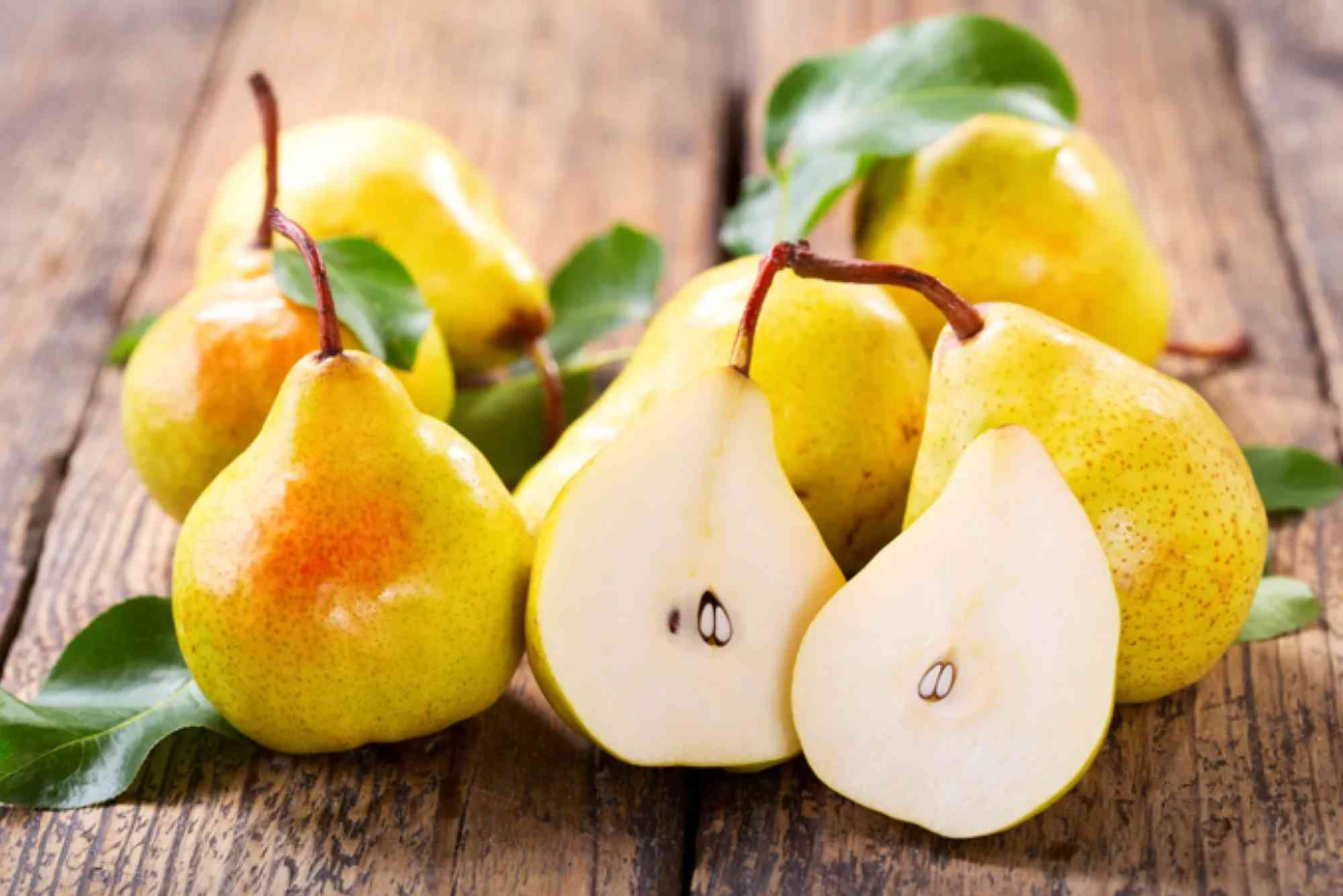
Pear Nutrition: Fiber-Rich and Low-Calorie Fruit Benefits
Pears are among the most underrated fruits, yet they offer exceptional health benefits. With their sweet taste, soft texture, and juicy bite, pears are not only delicious but also nutritionally powerful. Pear nutrition plays a significant role in promoting overall wellness. Packed with dietary fiber, essential vitamins, and antioxidants, pears contribute to better digestion, heart health, weight management, and more. As more people turn to natural, whole-food sources for health, pears stand out as a fiber-rich and low-calorie option. If you’re looking to add more nutrients without adding excess calories, the pear is a perfect choice.
Nutritional Value of Pears
Pears are low in calories yet rich in nutrients. A medium-sized pear (about 178 grams) provides around 100 calories, making it an excellent snack or addition to meals. Despite the low calorie count, pears are loaded with vital nutrients such as vitamin C, vitamin K, potassium, and antioxidants. Most importantly, pears are an excellent source of dietary fiber.
Fiber is the most standout component of pear nutrition. One medium pear contains approximately 6 grams of fiber, which is about 21% of the recommended daily intake. This makes pears one of the highest-fiber fruits available, particularly beneficial for digestive health and blood sugar regulation.
Health Benefits of Pear Nutrition
Supports Digestive Health
Fiber is essential for digestive wellness, and pears are a prime source. The high fiber content in pears aids in bowel regularity and helps prevent constipation. Pears contain both soluble and insoluble fiber. Soluble fiber forms a gel-like consistency in the gut, slowing digestion and making you feel full longer. Insoluble fiber adds bulk to stool, promoting regular bowel movements.
Additionally, pears are rich in pectin, a type of soluble fiber that acts as a prebiotic. It feeds beneficial gut bacteria, which in turn support a healthy gut microbiome. A healthy digestive system is the cornerstone of overall wellness, from mood regulation to nutrient absorption.
Helps With Weight Management
If you’re looking for a fruit that supports weight loss, pear nutrition is your ally. Pears are naturally low in calories and fat, but high in water and fiber. This combination increases feelings of fullness, helping you consume fewer calories throughout the day.

Several studies have shown that people who eat pears regularly are more likely to maintain a healthy weight. Their fiber slows the digestion process, stabilizes blood sugar levels, and reduces the urge to snack between meals. Unlike processed snacks, a pear offers both satisfaction and nutrition.
Supports Heart Health
Pears are good for your heart. Their high fiber content helps reduce LDL (bad) cholesterol levels by binding to bile acids in the digestive system and removing them from the body. Less LDL means a lower risk of plaque buildup in the arteries, reducing the risk of heart disease.
Pears also contain potassium, which helps manage blood pressure by balancing sodium levels in the body. Moreover, pears are rich in flavonoids, plant-based antioxidants that reduce inflammation and oxidative stress, both of which contribute to cardiovascular disease.
Regulates Blood Sugar Levels
Despite their sweet taste, pears have a low glycemic index. This means they cause a gradual increase in blood sugar, rather than sharp spikes. The fiber in pears slows carbohydrate absorption, preventing blood sugar from rising too quickly.
Pear nutrition is especially beneficial for people with type 2 diabetes or insulin resistance. Soluble fiber in pears helps improve insulin sensitivity and manage glucose levels more effectively. Including pears in a balanced meal plan can help support blood sugar regulation naturally.
Provides Antioxidant Protection
Pears are rich in antioxidants like vitamin C, vitamin K, and copper. These nutrients help protect your cells from damage caused by free radicals—unstable molecules that accelerate aging and contribute to chronic diseases.
Flavonoids, especially quercetin found in pear skin, offer powerful anti-inflammatory and antihistamine effects. These compounds reduce inflammation, support immunity, and may even lower the risk of certain cancers. Eating pears with the skin enhances the antioxidant intake, making them even more beneficial.
Boosts Immunity
Pear nutrition contributes to a stronger immune system. Vitamin C plays a crucial role in immune defense by supporting various cellular functions. A medium pear provides about 10% of your daily vitamin C requirement. This vitamin helps produce white blood cells, fight off infections, and speed up healing.
Pears also offer copper, another immune-boosting mineral involved in the formation of red blood cells and the maintenance of healthy immune responses. Including pears in your daily routine can be a simple way to keep your immunity resilient throughout the year.
Pears and Skin Health
Pears are hydrating fruits with a high water content, which contributes to better skin elasticity and glow. The antioxidants in pears help combat oxidative damage, which is one of the major causes of premature aging. Vitamin C boosts collagen production, keeping skin firm and youthful.
Some skincare enthusiasts also apply pear pulp topically as part of natural face masks, but the most effective way to benefit from pear nutrition is to consume it regularly. Drinking pear smoothies, adding them to salads, or simply eating them fresh can nourish your skin from within.
Are All Pear Varieties Equally Nutritious?
There are several types of pears, including Bartlett, Bosc, Anjou, and Asian pears. While their flavors and textures vary, their nutritional content is quite similar. All pears offer a good amount of fiber, vitamins, and antioxidants. The skin color—whether red, green, or yellow—may indicate slightly different antioxidant profiles, but overall, every variety offers health benefits.
For maximum nutrition, it’s recommended to eat pears with the skin, where much of the fiber and antioxidants are concentrated. Washing pears thoroughly helps remove any pesticide residues, especially if they are not organic.
How to Incorporate Pears Into Your Diet
Pears are highly versatile. They can be eaten raw, poached, baked, or added to various recipes. Here are some easy ways to include more pears in your daily meals:
- Add sliced pears to your morning oatmeal or yogurt
- Blend them into green smoothies for natural sweetness
- Pair with cheese or nuts for a balanced snack
- Use in salads with walnuts and arugula
- Bake into healthy muffins or crumble desserts
- Roast alongside root vegetables for a savory-sweet combo
No matter how you prepare them, pears can enrich your diet with both flavor and nutrition.
Why Pear Nutrition Deserves a Place in Your Diet
Pear nutrition offers a powerful blend of low-calorie satisfaction and high-nutrient value. With their rich fiber content, immune-boosting vitamins, and heart-healthy antioxidants, pears make an ideal fruit for all ages and lifestyles. Whether you’re focused on weight loss, better digestion, or boosting your nutrient intake, pears are a smart, tasty addition to your diet.
Their versatility allows you to enjoy them in sweet or savory dishes, and their benefits go far beyond simple snacking. So the next time you’re in the fruit aisle, don’t overlook this soft, juicy gem.
FAQs
Are pears good for weight loss?
Yes, pears are ideal for weight loss because they are low in calories and high in fiber. They promote fullness and reduce cravings, helping manage calorie intake.
Is it healthy to eat pears every day?
Absolutely. Eating pears daily provides essential nutrients like fiber, vitamin C, and potassium. They support digestion, immunity, and heart health when consumed regularly.
Are pears high in sugar?
Pears contain natural sugars but have a low glycemic index. Their high fiber content helps regulate blood sugar levels, making them suitable for most diets, including diabetic-friendly ones.
Can you eat pear skin?
Yes, the skin is rich in fiber and antioxidants. Eating pears with the skin enhances the nutritional benefits and supports digestive health.
Which pear variety is healthiest?
All pear varieties are nutritious. Slight differences in taste and antioxidant content exist, but Bartlett, Bosc, Anjou, and Asian pears all offer excellent health benefits.